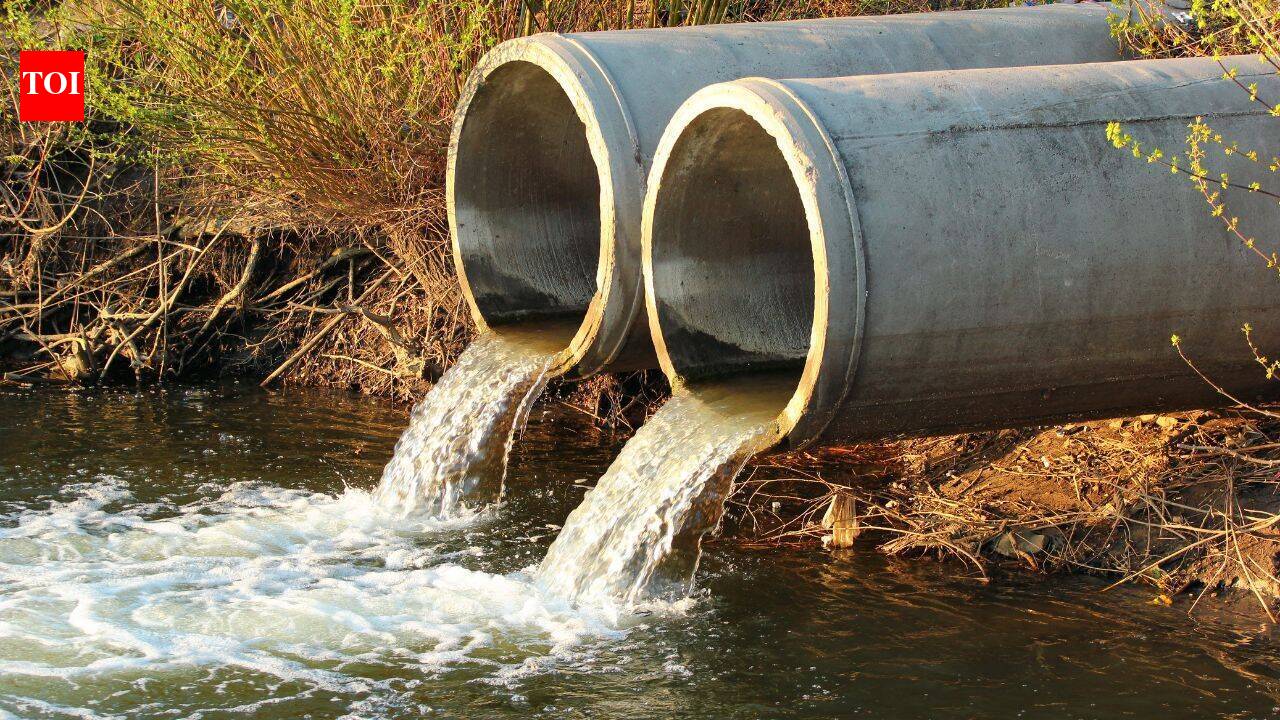
For much of the 20th century, factories and paper mills along Michigan's Detroit and Kalamazoo rivers discharged waste that settled into the sediment and lingered for decades.
asserted
that → discharge → decades
The legacy includes polychlorinated biphenyls, polycyclic aromatic hydrocarbons, mercury and other pollutants that have kept both waterways on the US Environmental Protection Agency's list of Great Lakes areas of concern.
asserted
that → include → concern
In October 2026, Governor Gretchen Whitmer announced an $89 million commitment called Reclaim the Rivers to address that contamination and restore habitat, with a goal of achieving transformational change on both rivers by 2040, according to state officials and local reporting.
uncertain
Whitmer → announce → officials
State official screenshot and local reporting name and link to be added
A public-private push led by EGLE and DNR
The Reclaim the Rivers initiative is being led by the Michigan Department of Environment, Great Lakes and Energy, known as EGLE, and the Michigan Department of Natural Resources.
asserted
initiative → add → Resources
The two agencies will coordinate sediment cleanup, habitat restoration, and projects that expand public access for boating, fishing and other recreation.
asserted
that → coordinate → boating
The announcement was made on Detroit's Belle Isle, a symbolic location where the Detroit River meets Lake Erie and where restoration efforts have been visible for years.
asserted
efforts → make → years
State officials describe the $89 million as seed funding that will help secure hundreds of millions of dollars in additional resources over the next 15 years.
asserted
that → describe → years
EGLE Director Phil Roos said, as per Michigan Public, the initiative is a once-in-a-generation opportunity to transform two of Michigan's most important waterways.
asserted
initiative → say → waterways
The money comes from pollution settlements with companies including Monsanto and the operator of the former Morrow Dam, linking the cleanup directly to the industries that contributed to the contamination.
asserted
that → come → contamination
How the money will be spent
About $50 million of the package is earmarked for addressing polychlorinated biphenyls, or PCBs, in the Detroit River.
asserted
million → spend → River
Much of that funding will support the removal of toxic sediment from targeted areas where industrial waste accumulated over decades.
asserted
waste → support → decades
Cleaning this sediment is a prerequisite for restoring fish habitat and improving water quality in sections of the river that have long carried fish consumption advisories, as per reports.
asserted
that → clean → reports
Another $25 million is allocated to restoration projects in the Kalamazoo River watershed.
asserted
million → allocate → watershed
That work includes sediment remediation, dam-related cleanup, and habitat improvements designed to support fish and wildlife.
asserted
work → include → fish
The remaining $14 million will fund restoration efforts at other waterways across the state, ensuring that communities beyond Detroit and Kalamazoo also benefit from the initiative.
asserted
communities → remain → initiative
The Kalamazoo River's long struggle with PCBs
The Kalamazoo River has been shaped by paper manufacturing for more than a century.
asserted
River → shape → century
De-inking operations at mills in Otsego, Allegan, and Kalamazoo generated PCB-laden waste that entered the river and settled in impoundments behind dams.
asserted
that → ink → dams
Over time, those contaminated sediments spread across roughly 80 miles of the river, affecting water, floodplain soils and wildlife, as per
Epa.gov.
asserted
sediments → contaminate → Epa.gov
Federal and state agencies have already overseen significant cleanup work, including the removal of more than 23,000 cubic yards of PCB-contaminated sediment and soil from upland floodplain areas.
asserted
agencies → oversee → areas
Dam removals and habitat restoration have followed in some sections, but complete remediation remains a long-term project.
asserted
remediation → follow → sections
The new state funding is intended to accelerate that work and help move the river closer to delisting as an area of concern.
asserted
funding → intend → concern
The Detroit River forms part of the international border between the United States and Canada and serves as a key connector between Lake St. Clair and Lake Erie.
asserted
River → form → Clair
Heavy industry along its banks released pollutants that settled into harbors, channels and backwaters.
asserted
that → release → harbors
Black Lagoon in Trenton, for example, required sediment removal in 2005 to address contamination that included PCBs, mercury, zinc, lead, and oil and grease.
asserted
that → require → PCBs
Recent projects have begun to reverse some of that damage.
asserted
projects → begin → damage
A 2026 partnership brought $10 million to tackle contaminated sediment in the Upper Trenton Harbor and other sites along the Detroit River.
asserted
partnership → bring → River
The Reclaim the Rivers investment builds on that momentum by providing a larger, coordinated funding stream that can support multiple sites and link cleanup to broader habitat and access improvements.
asserted
that → reclaim → improvements
What restoration looks like on the ground
Sediment removal is the most visible and technically complex part of the work.
asserted
removal → look → work
Proper management of dredging operations is essential to prevent the re-suspension of contaminants and the safe disposal of cleaned material.
asserted
management → dredge → material
Once toxic sediment has been addressed, agencies can turn their attention to restoring natural shorelines, replanting native vegetation and building structures that support fish spawning and nesting birds.
asserted
that → address → spawning
Improving public access is another key piece of the puzzle.
asserted
Improving → improve → puzzle
The initiative envisions expanding boat launches, fishing piers and trails connecting communities to the rivers.
asserted
initiative → envision → rivers
These features are intended to encourage swimming, boating, and other activities that were once limited by pollution and degraded habitat.
asserted
that → intend → pollution
By tying cleanup to recreation, the state hopes to make the rivers central to local identity and economic development.
asserted
rivers → tie → identity
A 15-year horizon with 2040 as a target
EGLE and DNR expect the Reclaim the Rivers work to unfold over about 15 years, with 2040 set as the target for lasting, transformational change on both rivers.
asserted
2040 → expect → rivers
That timeline reflects the scale of the contamination and the need to coordinate with federal programs, local governments and private partners.
asserted
timeline → reflect → programs
Progress will be measured not only by the volume of sediment removed but also by improvements in water quality, fish populations and public use.
asserted
Progress → measure → quality
Both the Detroit and Kalamazoo rivers are designated EPA areas of concern under the Great Lakes Restoration framework.
asserted
rivers → designate → framework
Delisting requires that all beneficial use impairments, such as restrictions on fishing or swimming, be resolved.
asserted
impairments → delist → fishing
The $89 million commitment is designed to move both waterways closer to that goal by addressing the most stubborn sources of pollution and creating conditions for ecosystems to recover.
asserted
ecosystems → design → conditions
…and 5 more, not listed.
 The Aporia