The Aporia
Bela, V. (2026, September 6). Study that argued China’s solar policy hurt birds may have miscounted 2 billion egrets. South China Morning Post. https://www.scmp.com/news/china/science/article/3366286/study-argued-chinas-solar-policy-hurt-birds-may-have-miscounted-2-billion-egrets?utm_source=rss_feed
Bela, Victoria. “Study that argued China’s solar policy hurt birds may have miscounted 2 billion egrets.” South China Morning Post, 6 Sept. 2026, https://www.scmp.com/news/china/science/article/3366286/study-argued-chinas-solar-policy-hurt-birds-may-have-miscounted-2-billion-egrets?utm_source=rss_feed.
Bela, Victoria. “Study that argued China’s solar policy hurt birds may have miscounted 2 billion egrets.” South China Morning Post, September 6, 2026. https://www.scmp.com/news/china/science/article/3366286/study-argued-chinas-solar-policy-hurt-birds-may-have-miscounted-2-billion-egrets?utm_source=rss_feed.
Dated when The Aporia collected the article, usually within hours of publication. Check the original for its exact date and byline.
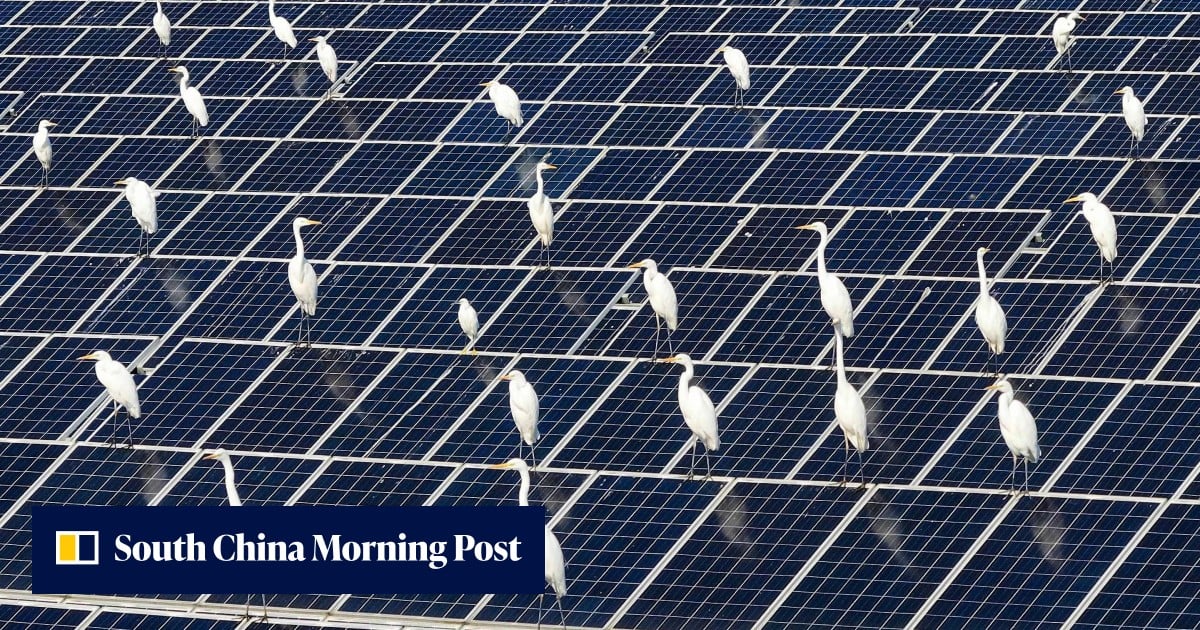
A study published in a top US journal claimed that China's solar policy was hurting birds, but it may have relied on incorrect data. The study used numbers from the China Birdwatching Record Centre, which has since been called into question by the China Ornithological Society. According to the society, the record centre's numbers may be flawed, pointing to a particularly high count of 2.1 billion little egrets in 2015 and another of 1.3 billion red-billed blue magpies in 2022, both in Guangdong province. These numbers are so high that they appear to exceed the entire global population of some bird species, raising concerns about the accuracy of the study's conclusions. The study sparked heated online debates about China's green energy sector and has been criticized for lacking proper quality control.