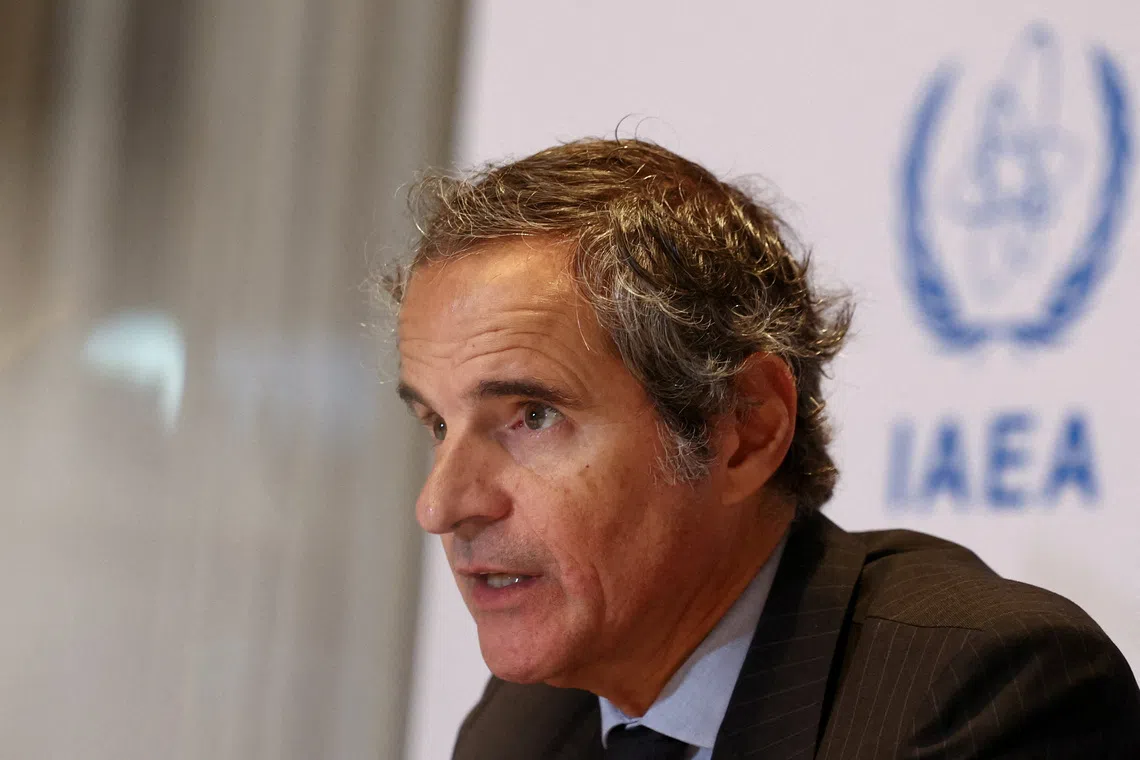
The US and Saudi Arabia are near finalizing a landmark nuclear arrangement that would allow the US to export nuclear technology to the desert kingdom. The White House announced on July 22 that an agreement had been reached, but experts have expressed concern that it may enable nuclear proliferation in the region. Congress is reviewing the pact, known as a 123 agreement, which was submitted as classified legislation, sparking criticism from non-proliferation experts who say this is an unprecedented attempt to limit congressional review and public scrutiny. The deal has been criticized for not requiring Saudi Arabia to recognize Israel, despite President Trump's previous promise that it would be a precondition.
Written by the local model on 2026-09-06,
using this article's own text rather than the other coverage of the
same event (that is the story summary below).
But a pact between longtime allies must not become a backdoor for America’s enemies.
asserted
pact → become → enemies
Congress must demand that the administration make the classified agreement public and put essential safeguards in place.
asserted
agreement → demand → place
On July 22, the White House announced that the two nations had reached an agreement that would allow the U.S. to export nuclear technology to the desert kingdom.
asserted
U.S. → announce → kingdom
Recommended Stories
President Donald Trump vowed that it would not include uranium enrichment.
asserted
it → vow → enrichment
He pledged that Saudi recognition of Israel would be a precondition.
asserted
recognition → pledge → Israel
Some experts voiced concern that Washington was upending decades of policy aimed at preventing nuclear proliferation in dangerous parts of the world.
But Saudi Arabia holds considerable leverage and influence as a net energy exporter and as custodian of Islam’s holiest sites and cities.
asserted
Arabia → voice → sites
It can also play an important role in U.S. strategy to counter China.
asserted
It → play → China
Our allies will depend on foreign energy for the foreseeable future, and so will China.
Washington, not Beijing or Moscow, should provide Riyadh with the technology it seeks.
asserted
it → depend → technology
The Saudis could go elsewhere for their nuclear needs, and the Trump deal can give America oversight that it might otherwise lack.
uncertain
it → go → that
But oversight and transparency are the chief problems facing supporters of the proposed deal.
asserted
oversight → face → deal
On Aug. 25, the administration sent the pact, known as a 123 agreement, to Congress, triggering a mandatory 90-day review.
asserted
administration → send → review
Unless Congress passes a joint resolution of disapproval, the agreement will automatically take effect after 90 days.
asserted
agreement → pass → days
Congress should demand transparency and accountability, as it has become clear that the administration wishes to avoid them.
asserted
administration → demand → them
It submitted the text of the agreement to Congress as classified legislation.
asserted
It → submit → legislation
Andrea Stricker, the deputy director of the nonproliferation program at the Foundation for Defense of Democracies, pointed out that this is “an unprecedented action that appears intended to limit open congressional review and public scrutiny.”
asserted
that → point → review
That would be a terrible precedent in principle, but Saudi Arabia’s recent actions add to legitimate concern.
asserted
actions → add → concern
Crown Prince Mohammed bin Salman, the kingdom’s leader, refuses to join the Abraham Accords and recognize Israel.
asserted
Salman → refuse → Israel
But Trump is also making a serious mistake by breaking his promise to require Saudi recognition as a precondition for a nuclear agreement.
asserted
Trump → make → agreement
The Trump administration and Congress have leverage to push the Saudis toward peace in the Middle East, and they should use it.
asserted
they → have → it
The kingdom announced on Aug. 7 that it had signed a mutual defense pact, called the Mecca Agreement, with Pakistan and Turkey, which will mean greater security cooperation among the three nations.
asserted
which → announce → nations
Pakistan has an extensive strategic relationship with Beijing, including defense and nuclear cooperation, so closer Saudi-Pakistani security integration raises proliferation and technology-transfer concerns.
asserted
integration → have → concerns
The U.S. should worry that sensitive U.S. nuclear technology provided to Riyadh could find its way to Beijing.
uncertain
technology → worry → Beijing
Congress should demand safeguards to prevent America from inadvertently helping China and should press the administration to renegotiate the deal to include a ban on uranium enrichment and reprocessing.
asserted
Congress → demand → enrichment
Congress should also require Saudi Arabia to adopt the International Atomic Energy Agency’s Additional Protocol, the strongest inspections regime to date.
asserted
Arabia → require → date
A 2009 U.S.-UAE nuclear agreement can serve as a model.
asserted
agreement → serve → model
A U.S.-Saudi nuclear deal should strengthen America’s strategic position, not weaken it.
asserted
deal → strengthen → it
It should secure lasting peace between Saudi Arabia and Israel, not empower their enemies.
asserted
It → secure → enemies
For this to happen, Congress will have to step up where the administration has failed to do so.
asserted
administration → happen → ?