- Published
Disgraced funeral boss Robert Bush, who failed to bury or cremate people and gave grieving families the ashes of strangers, has offered those affected a written apology - but some have reacted angrily.
Bush, 48, was jailed for 20 years at Hull Crown Court on Friday.
Some 35 bodies and more than 100 sets of ashes were found by police who raided Legacy Independent Funeral Directors in Hull following a tip-off in March 2024.
asserted
who → publish → March
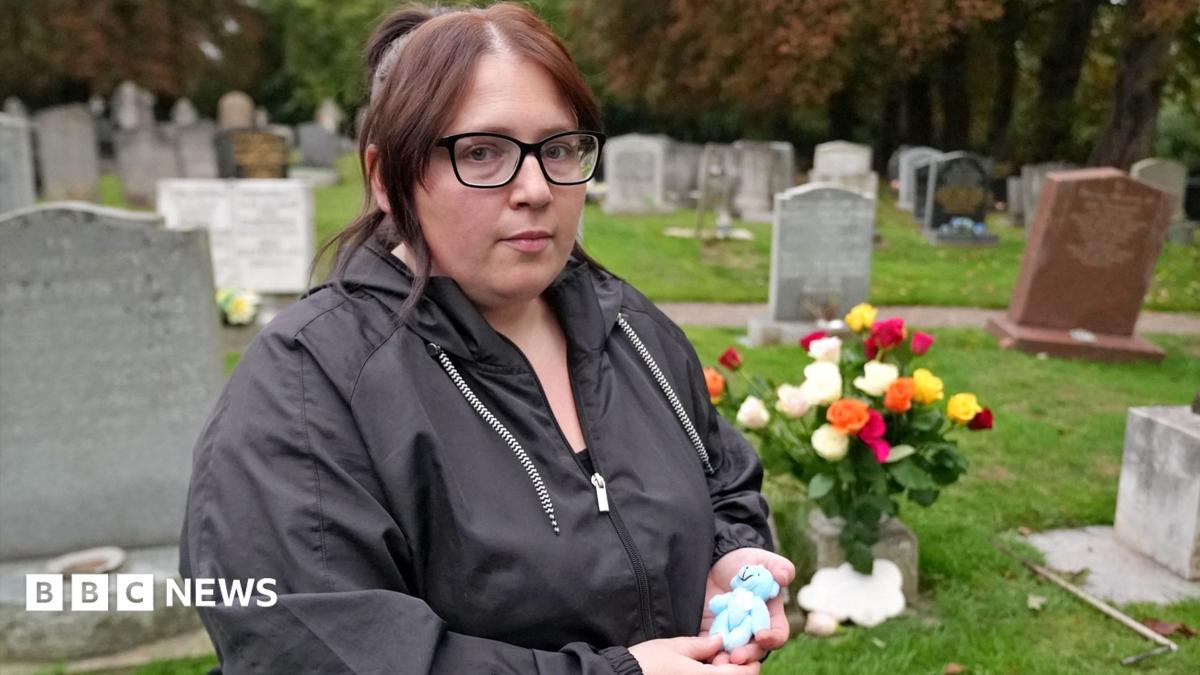
Jasmine Beverley, whose son's remains were discovered at the funeral parlour nearly two years after he was stillborn, said: "Reading the letter has left me feeling nothing but anger."
asserted
Reading → discover → anger
This story contains details some might find distressing.
uncertain
some → contain → details
In his letter, Bush said he was "deeply sorry" for the "distress, upset and uncertainty" his actions had caused.
asserted
actions → say → distress
He said he did not expect forgiveness, and had not written the letter in the hope of reducing the seriousness of what had happened.
asserted
what → say → seriousness
He also said he respected that some people may never wish to accept his apology, and said that was "entirely understandable".
uncertain
that → say → apology
The former undertaker admitted 67 offences, including 30 counts of preventing a lawful and decent burial, and theft from 12 charities.
asserted
undertaker → admit → charities
Prosecutors said Bush ran a "shambolic and chaotic" operation at the Hessle Road premises and his "appalling" offending had caused "extreme emotional pain, anguish and upset".
asserted
offending → say → pain
On Wednesday evening, some of his victims reacted angrily to the letter.
asserted
some → react → letter
Beverley told the court how learning that her baby Sunny Beverley-Conlin was found in a brown paper bag on the floor of the funeral parlour "will stay with me for the rest of my life".
asserted
baby → tell → life
Sunny's remains were recovered from the Hessle Road premises one year and 10 months after he was stillborn on 13 May 2022, the court heard.
uncertain
court → recover → May
She was given a set of ashes by Bush the following March.
asserted
She → give → Bush
Beverley said: "Reading the letter has left me feeling nothing but anger.
"
asserted
Reading → say → anger
It reads as though he is apologising for our reaction and not his actions.
asserted
he → read → reaction
"I don't have the luxury of separating my memories of Sunny from what happened because the memories I do have are tied directly to the mismanagement of the final act of love I tried to give him - his funeral.
asserted
I → have → him
"This will haunt me for the rest of my life."
asserted
This → haunt → life
Tristan Essex, whose grandmother, Jessie Stockdale, was one of the 35 bodies found at Legacy, said he was "absolutely disgusted" by the letter.
asserted
he → find → letter
"It's like he's mocking and tormenting us," he said.
asserted
he → mock → us
"Clearly, he is not sorry for the actions he chose, he's sorry for the consequences of his evil actions.
asserted
he → choose → actions
It looks like it's been generated by AI.
asserted
it → look → AI
It doesn't even make sense.
asserted
It → make → sense
"It's like he's laughing in our face."
asserted
he → laugh → face
Essex said he thought the letter was "all about him [Bush]" and "hardly an apology".
asserted
letter → say → ]
Natalie Smith's grandfather Norman Bridger was one of the bodies found at Legacy.
asserted
grandfather → find → Legacy
He had been there for 11 months and was 95 when he died, with a funeral held for him before they found out his body was still at the site.
asserted
body → die → site
Smith said Bush's letter was a "tick box exercise to try and make himself look like he'd approached the families".
asserted
he → say → families
She said she reacted with "disbelief" when she received the letter, which contained "no real substance, no emotion, nothing".
asserted
which → say → substance
"They're just words and there was nothing behind them," she said, adding she would never forgive Bush for what he had done.
Robert Bush's letter in full:
To everyone who has been affected by my actions.
"
asserted
who → be → actions
I have spent a great deal of time thinking about the events that [sic] wish to say something directly to you.
asserted
I → spend → you
I know that many of you entrusted me and my business with the care of someone you loved during one of the most difficult times in your lives.
asserted
you → know → lives
"I recognise that what happened has caused distress, upset and uncertainty for many families.
asserted
happened → recognise → families
"There are no words that can undo what has happened or take away the pain that many of you have experienced.
asserted
many → be → you
I understand that this has affected not only your confidence in me, but also memories surrounding the loss of those closest to you.
asserted
this → understand → you
I accept responsibility for my failures.
asserted
I → accept → failures
Looking back, I know that I should have acted differently and much sooner.
asserted
I → look → ?
I regret that I did not do so.
asserted
I → regret → ?
I do not expect forgiveness, nor do I write this letter in the hope of reducing the seriousness of what has happened.
asserted
what → expect → seriousness
I simply wanted you to know that I genuinely regret the consequences of my actions, and the impact they have had on so many people.
asserted
they → want → people
I appreciate that every family's experience has been different, and I respect that some people may never wish to accept my apology.
uncertain
people → appreciate → apology
I hope that, in time, each of you can find some peace and remember your loved one for who they were rather than for the circumstances that have followed.
asserted
that → hope → circumstances
…and 1 more, not listed.
 The Aporia