I Asked the White House's New AI Chatbot About Tariffs. It Told the Truth.

Read the original at Reason ↗
Reason · collected 2026-10-02 · by Eric Boehm

Quick Summary

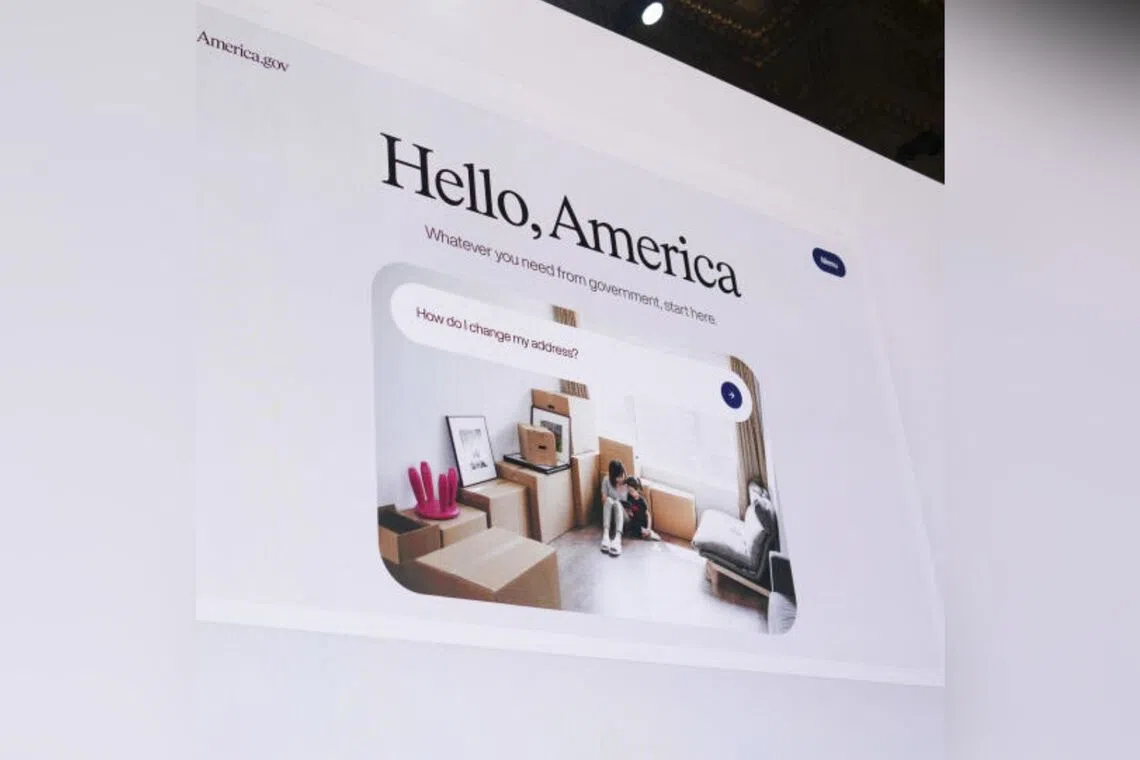
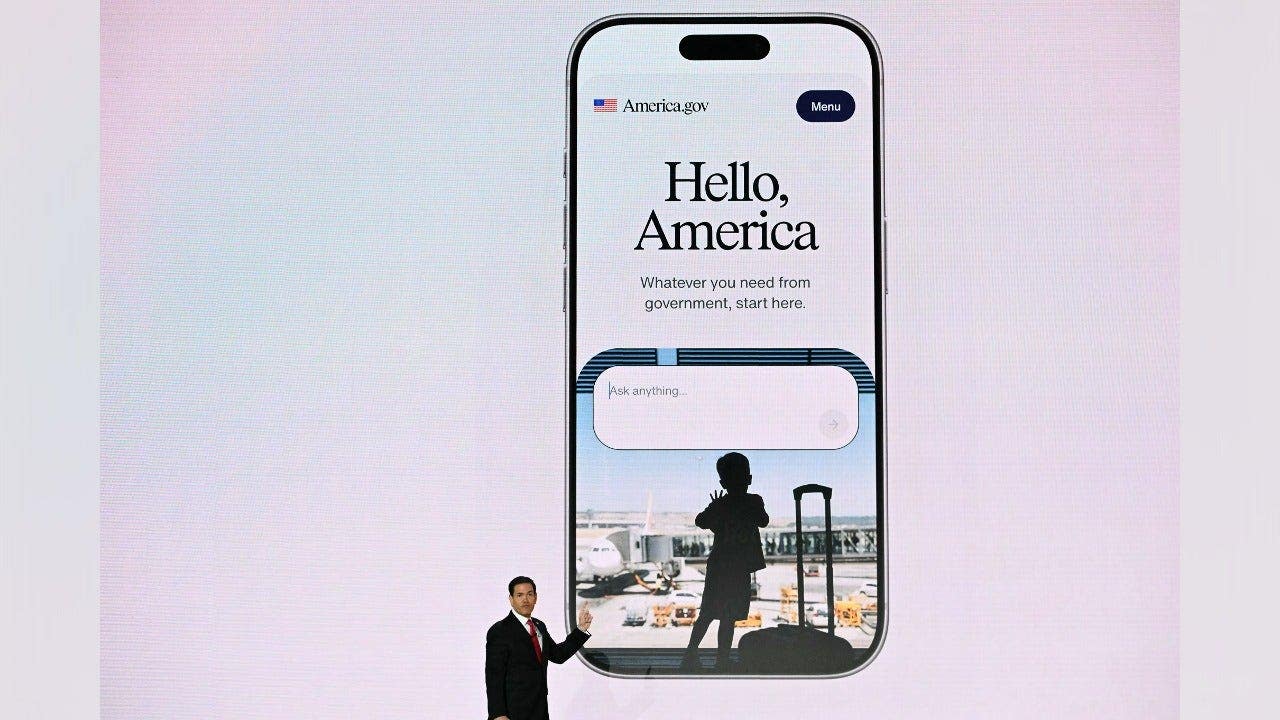
The White House's new AI chatbot, America.gov, contradicts President Trump’s claims about tariffs by stating they are taxes paid by Americans and contribute to rising prices. When questioned, the bot confirmed that tariffs increase costs for U.S. importers and can raise domestic product prices too, citing sources like the Bureau of Labor Statistics and Congressional Budget Office reports. It also referenced studies indicating that tariffs reduce manufacturing employment and production in downstream industries while raising input costs for factories and construction, highlighting economic impacts often ignored by the administration.
Written locally by qwen2.5:14b on 2026-10-02, using this article's own text rather than the other coverage of the same event (that is the story summary below).

AI analysis runs on qwen2.5:14b, locally

Story summary

The White House's newly launched AI chatbot, America.gov, has been responding accurately to questions about tariffs, despite past reprogramming aimed at avoiding fact-checking. When asked about who bears the cost of higher tariffs, America.gov stated that tariffs are taxes on imported goods and the extra cost is initially paid by U.S. importers, leading to higher prices for consumers and increased costs for competing domestic products as well. This contradicts claims made by President Trump and his administration, which have falsely claimed that foreign governments or companies pay these tariffs. Moreover, while the administration highlights specific benefits like a new steel plant opening in Iowa as evidence of tariff success, America.gov references studies from the Federal Reserve and Senate Budget Committee showing statistically significant increases in prices for consumer goods exposed to tariffs, indicating broader economic impacts.

Written for “US Tariff Policy” on 2026-10-05, grounded in this article and the 0 other(s) covering the same event.

Signals How these are calculated →

Claims extracted
25
claim-shaped sentences
Uncertain
16%
4 of 25 hedged
Leaning
Leans strongly left
of the writing, not the subject · beta estimate
Correction & hedging signals
66.0
corrections and hedging in what we collected; not a measure of accuracy
Outlets on this story
1
Politics
Narrative spread
1
articles carrying this framing
Analyzed 2026-10-02 · how these are computed

Story

📰 US Tariff Policy
Politics · 1 article(s) covering the same event.

How this is being covered How these are calculated →

Article leaning vs. publisher reliability
Source leaning vs. consistency

Compared with similar articles

This article reads leans strongly left and hedges 16% of its claims. Each row says how that neighbour differs.
Fox News
⚖️ leaning not scored 🔴 11% hedged 2 of 18 📰 publisher trust 69
“While both articles discuss America.gov, Article A describes the unveiling and launch of the platform, while Article B discusses its use and functionality days later.”
Toronto Star
⚖️ leaning not scored 🔴 0% hedged 0 of 3 📰 publisher trust 63
“Article A describes Trump's speech and promise regarding AI, while Article B focuses on the functionality and responses of America.gov AI chatbot after its launch.”
The Independent
⚖️ leaning not scored 🔴 14% hedged 5 of 35 📰 publisher trust 59
“Article A discusses Trump's stance on AI self-regulation, while Article B describes interactions with a White House AI chatbot about tariffs.”
New York Post
⚖️ Leans strongly right further right than this 🔴 21% hedged 3 of 14 📰 publisher trust 64
“The articles discuss different topics related to AI and its use in government and business contexts.”
Dawn
⚖️ Leans left further right than this 🔴 0% hedged 0 of 13 📰 publisher trust 77
“While both articles discuss the launch and use of an AI-powered chatbot called America.gov, Article A describes the initial unveiling and capabilities of the platform, while Article B reports on a specific interaction with the bot days later.”
NPR
⚖️ leaning not scored 🔴 13% hedged 7 of 55 📰 publisher trust 60
“The articles describe different uses of AI chatbots: one specifically about tariffs and the White House's new AI chatbot, and the other about voters using chatbots to fact-check candidates during an election.”
Washington Examiner
⚖️ leaning not scored 🔴 0% hedged 0 of 3 📰 publisher trust 72
“Article A describes the launch event for a new AI tool, while Article B reports on interactions with and revelations about the deployed AI chatbot days later.”
The Straits Times
⚖️ Leans left further right than this 🔴 23% hedged 5 of 22 📰 publisher trust 59
“While both articles discuss Trump's launch of the AI chatbot America.gov, Article A describes the initial unveiling and its intended purpose to contradict false claims, whereas Article B discusses subsequent interactions with the bot about tariffs after it was reportedly reprogrammed.”
The Guardian
⚖️ leaning not scored 🔴 34% hedged 11 of 32 📰 publisher trust 60
“Article A describes the initial launch and capabilities of America.gov, while Article B discusses a later interaction with the AI chatbot about tariffs.”
Fox News
⚖️ leaning not scored 🔴 4% hedged 1 of 26 📰 publisher trust 69
“The articles describe different aspects of the new AI-powered America.gov platform, but they are not reporting on the exact same incident or moment.”

Publisher

Reason · 552 article(s) · 4 correction(s) detected
Running correction rate · 4 correction(s)
2026-10-02
Would a Firing Squad Have Been More 'Humane' for Christa Pike?
2026-09-26
"I Will Not Stand for Being Jerked Around … by Any Lawyer Who Practices Before Me"
2026-09-18
New Article: Landor v. Louisiana Department of Corrections: Bringing Clarity To The Necessary and Proper Clause
2026-09-05
Lawyers' Responsibility for Hallucinations in Briefs That They Sign

Who wrote this

Eric Boehm
11 article(s) here · 1 carrying a prediction
🔮 Pretti's death would quickly become a national news story.
🔮 The Trump administration has touted the recent announcement of a new steel plant in Iowa as proof that the tariffs are working to revitalize American manufacturing—which is only true if you look at the benefits while willfully ignoring the costs.
🔮 And Brown argued that his Public Employees' Pension Reform Act (PEPRA), which pared back benefits mostly for new hires, would stabilize the state's pension funds right about now.
🔮 This may seem like it's all quite deep in the weeds—but the Biden administration's failed attempt to embed this flawed research into dietary guidelines provides a useful glimpse into how public health expertise can be colored by motivated activists.
🔮 You can slap together a BLT—a bacon, lettuce, tomato sandwich, a classic of the deli counter—in a few minutes, and the ingredients will set you back no more than a few bucks.
🔮 Each of those incidents leaves a mark on a family and a community, but Ganger's situation is more raw, more vicious—as if the "I never thought leopards would eat MY face" meme had sprung to life and sat down in front of a Senate committee.
🔮 Cutting 10 percent of the federal workforce is one of the few truly libertarian accomplishments for the Trump administration—and, absent any other context, might be worth the one-time cost of a $6.7 billion carrot that got many of those workers to voluntarily give up their jobs.
🔮 Shortly after the United States launched into a war with Iran, White House economic adviser Peter Navarro boldly proclaimed that the conflict would "lower energy prices."
🔮 Vance's response is, in many ways, more important than Trump's ridiculous pitch—that he would send $5,000 checks to every adult citizen of the U.S. if the GOP retains control of Congress in November.
🔮 And if you think a future Democratic administration will try to stuff those executive powers back into their proper, constitutional boxes, well…don't hold your breath.
Also by Eric Boehm
Nothing else under this byline is closely related to this article, so these are simply their most recent.
All 11 articles by Eric Boehm →

Topics

America.gov American Americans Federal Reserve the White House

Subjects

America.gov ORG · 4× The White House's ORG · 3× American NORP · 2× Americans NORP · 2× Federal Reserve ORG · 2× Trump PERSON · 2× U.S. GPE · 2× the Trump administration ORG · 2× the U.S. Bureau of Labor Statistics ORG · 1× the White House ORG · 1×

Narrative

It pointed me to this Federal Reserve report that "found statistically significant increases in prices of consumer goods more exposed to tariffs," as well as this Senate Budget Committee report on "tariffs as making consumer and capital goods more expensive."
framing: assertive · carried by 1 article(s) · first seen 2026-10-02
🔮 The Trump administration has touted the recent announcement of a new steel plant in Iowa as proof that the tariffs are working to revitalize American manufacturing—which is only true if you look at the benefits while willfully ignoring the costs.

Claims (25 extracted, 4 hedged)

In the days after the White House launched its new AI chatbot, America.gov, the Trump administration reportedly reprogrammed it to stop debunking some of the president's more outlandish claims—like who won the 2020 election. uncertain
who → launch → election
But that hasn't stopped the AI from telling the truth about tariffs: They are taxes, they are paid by Americans, and they have contributed to rising prices throughout the economy. asserted
they → stop → economy
"A tariff is a tax on imported goods. asserted
tariff → import → goods
That extra cost is paid first by the U.S. importer," America.gov told me on Friday morning when I asked it to explain who pays the cost of higher tariffs. asserted
who → pay → tariffs
Citing the U.S. Bureau of Labor Statistics, the AI wrote that "a tariff can raise the price buyers pay. asserted
buyers → cite → price
Domestic goods that compete with those imports can also become more expensive." That contradicts some of the most common claims made by President Donald Trump and others in the administration. uncertain
That → compete → administration
Trump has repeatedly (and falsely) claimed that foreign governments and foreign companies are paying for his tariffs. asserted
governments → claim → tariffs
The Trump administration has touted the recent announcement of a new steel plant in Iowa as proof that the tariffs are working to revitalize American manufacturing—which is only true if you look at the benefits while willfully ignoring the costs. asserted
you → tout → costs
But ask America.gov about how tariffs work, and you'll get a very different—and less economically illiterate—answer. asserted
you → ask → answer
When I asked it if higher tariffs would hurt domestic industries by raising input costs for factories and construction, it agreed. asserted
it → ask → factories
"They can, especially when the tariff hits materials" bought by builders and factories, such as "steel, aluminum, parts, machinery asserted
tariff → hit → machinery
In other words, many of the things that the Trump administration is hitting with higher tariffs. asserted
administration → hit → tariffs
More than half of all American imports are raw materials and intermediate products that go into building other things. asserted
that → go → things
The AI then pointed me to several sources that support that conclusion, like this Congressional Budget Office report that it said "described tariffs as making capital goods more expensive and raising the cost of business investment." asserted
goods → point → investment
The White House's chatbot also highlighted a Federal Reserve study and a U.S. International Trade Commission study, both of which show how tariffs reduce manufacturing employment and production in downstream industries affected by higher costs. asserted
tariffs → highlight → costs
The "bottom line," it told me, was this: "Official evidence supports that tariffs on industrial inputs can reduce output in downstream manufacturing and raise costs for construction and factories that use those inputs." asserted
that → tell → inputs
If only that "official evidence" could make its way into official policy. uncertain
evidence → make → policy
When I asked it whether tariffs could raise prices for consumers, America.gov provided another lengthy list of official government sources showing that they do. uncertain
they → ask → sources
It pointed me to this Federal Reserve report that "found statistically significant increases in prices of consumer goods more exposed to tariffs," as well as this Senate Budget Committee report on "tariffs as making consumer and capital goods more expensive." asserted
goods → point → tariffs
Once again, the "bottom line" was clear: "Tariffs tend to put upward pressure on prices of tariffed imports and related U.S. goods." asserted
Tariffs → tend → imports
The one thing that you can't get America.gov to say, however, is that tariffs are a bad idea. asserted
tariffs → get → that
Even after all this evidence showing the sizable costs created by the Trump administration's tariff policies, the White House's chatbot won't turn against its creators by drawing the obvious conclusion. asserted
chatbot → show → conclusion
We'll have to leave that question in the hands of human beings. asserted
We → have → beings
But if recent polling is any indication—tariffs had a negative 31 approval rating in a recent Economist/YouGov poll—then Americans are fed up with the Trump administration's campaign to make everything more expensive. asserted
everything → have → campaign
Instead of continuing to push a false narrative that doesn't even fool the White House's own "superintelligence" tool, maybe the Trump administration should listen to what the chatbot is saying: Tariffs are increasing costs and harming the economy. asserted
Tariffs → continue → economy

💬Give feedback
🕘History 🎫Support