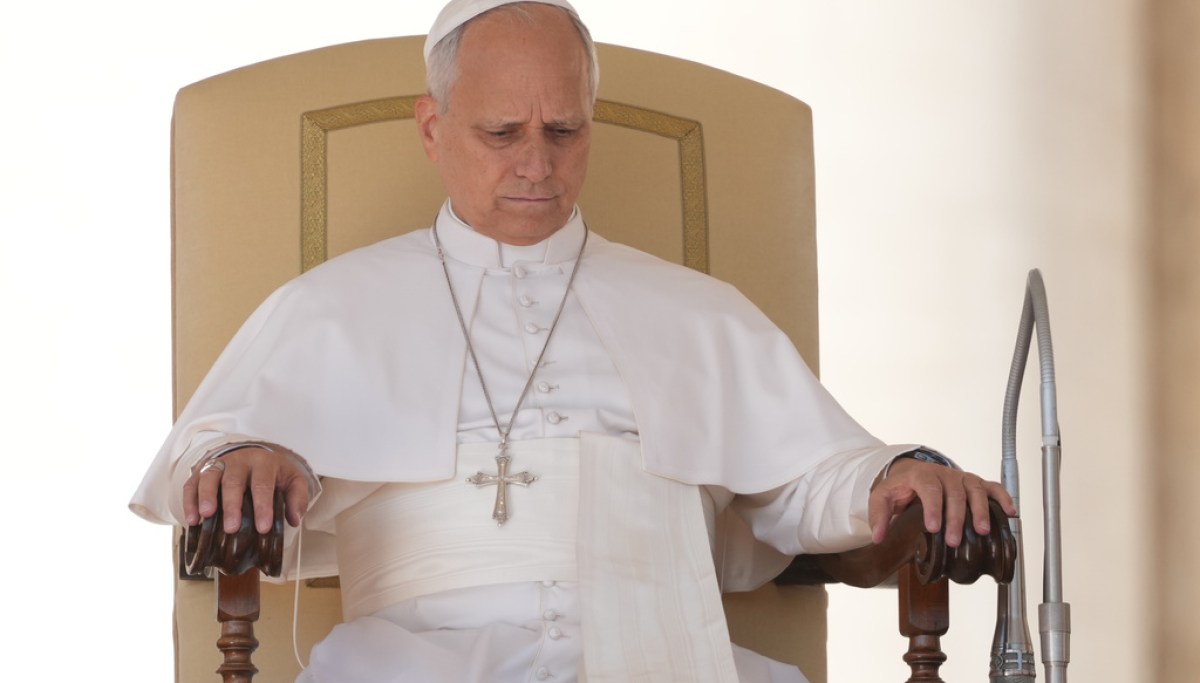
Pope Leo XIV claims that the Catholic Church will be pursuing an “alliance” with artists and institutions to protect the human element in creative works against artificial intelligence.
uncertain
Church → claim → intelligence
The pontiff met with artists at a Friday event organized by the Dicastery for Culture and Education, where he explained that art is not “a mere accessory,” but instead “a space where one allows oneself to be instructed about humanity’s aspirations and wounds, its thirst for beauty, justice, and peace, and its search for meaning.”
asserted
oneself → meet → meaning
The pontiff reiterated one of his recurring complaints against AI — the lack of soul in works generated by machines — in a statement at the meeting that was later posted on his social media feed.
asserted
that → reiterate → feed
“In this era of artificial intelligence, it is becoming urgent to distinguish human art from what machines produce,” the pope said.
asserted
pope → become → what
“There is an ontological difference, even before an aesthetic one, between art and what a machine can generate through statistical calculation based on millions of images created by others.
asserted
machine → be → others
Algorithms lack the spark of humanity.”
asserted
Algorithms → lack → humanity
He continued, “For this reason, the Church wishes to renew an alliance with artists and cultural institutions to safeguard our humanity.”
asserted
Church → continue → humanity
Pope Leo XIV is among the world’s most prominent skeptics of AI acceleration, warning that an unbridled approach to the technology could ultimately “exploit the most vulnerable, create new forms of slavery and derive profit from conflict.”
He chose his papal name as a nod to Pope Leo XIII, the Bishop of Rome who shepherded the Catholic world through the Industrial Revolution and advocated centering humanity in the process of global industrialization.
uncertain
who → warn → industrialization
The speech also decried the rise of algorithms and curated search engines, warning that “the great danger is no longer just censorship, but homogenization; not merely imposed silence, but the noise that makes listening impossible.”
asserted
listening → decry → algorithms
The Friday statement will likely frustrate AI companies that have continually lobbied him and other religious leaders toward a more positive stance on the issue.
asserted
that → frustrate → issue
Pope Leo XIV released his first encyclical — titled “Magnifica Humanitas,” or “Magnificent Humanity” — earlier this year.
asserted
XIV → release → encyclical
It was primarily concerned with the use of AI technologies in the modern day.
asserted
It → concern → day
“We must avoid the misconception of equating this type of ‘intelligence’ with that of human beings.
asserted
We → avoid → beings
These systems merely imitate certain functions of human intelligence,” the pope wrote in the text.
asserted
pope → imitate → text
“In doing so, they often surpass human intelligence in speed and computational capacity, offering tangible benefits across many fields.
asserted
they → do → fields
Yet this power remains entirely tied to data processing.
asserted
power → tie → processing
“So-called artificial intelligences do not undergo experiences, do not possess a body, do not feel joy or pain, do not mature through relationships and do not know from within what love, work, friendship or responsibility mean,” he continued.
asserted
he → call → what
“Nor do they have a moral conscience, since they do not judge good and evil, grasp the ultimate meaning of situations, or bear responsibility for consequences.”
asserted
they → have → consequences
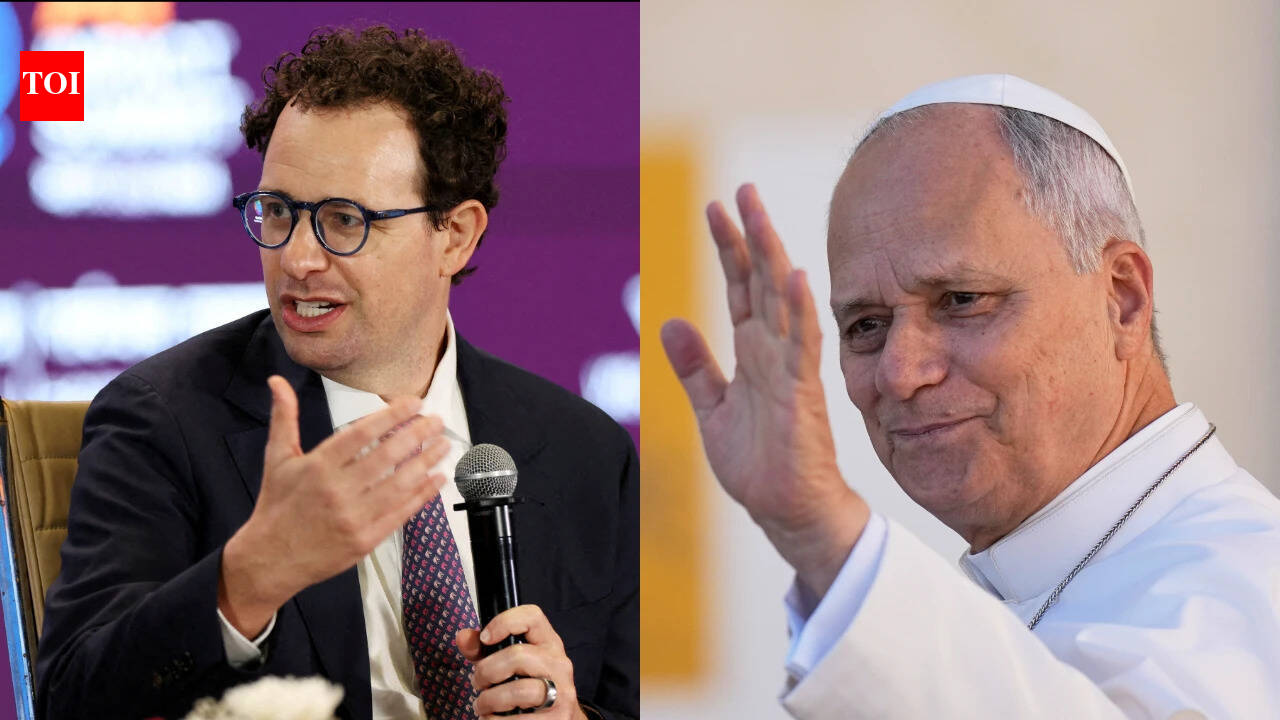
Anthropic co-founder Christopher Olah appeared at the Vatican for the release of the text, where he spoke onstage about the dangers of AI and how leaders must curb developers’ worst impulses.
asserted
leaders → appear → impulses
Olah took the opportunity at the Vatican to counter-signal the pope and suggest that there was a mystical or sentient aspect to AI models.
asserted
Olah → take → models
“I will be honest: We keep finding things that are mysterious, even unsettling,” Olah said at the event.
asserted
Olah → find → event
“We find structures that mirror results from human neuroscience.
asserted
that → find → neuroscience
We find evidence of introspection.
asserted
We → find → introspection
We find internal states that functionally mirror joy, satisfaction, fear, grief and unease.
asserted
that → find → joy
I don’t know what that means, but I think it warrants ongoing discernment.”
asserted
it → know → discernment
When Pope Leo XIV was asked aboard a papal flight this week whether he can “sleep at night” despite his worries about AI, he downplayed his dread.
asserted
he → ask → dread
“If someone were to ask me, am I in panic mode?
asserted
I → ask → mode
No, I’m not …
asserted
I → ’m → ?
I sleep at night,” he told the media.
asserted
he → sleep → media
“I do think that the concerns raised by many of the experts, specialists in AI, should be taken seriously.
asserted
concerns → think → AI
I don’t think that that is fake news.”
asserted
that → think → ?
During his apostolic journey to France, the responsible development of AI was a recurring topic of his speeches — alongside dignity of life issues such as abortion and assisted suicide.
asserted
development → recur → abortion
 The Aporia