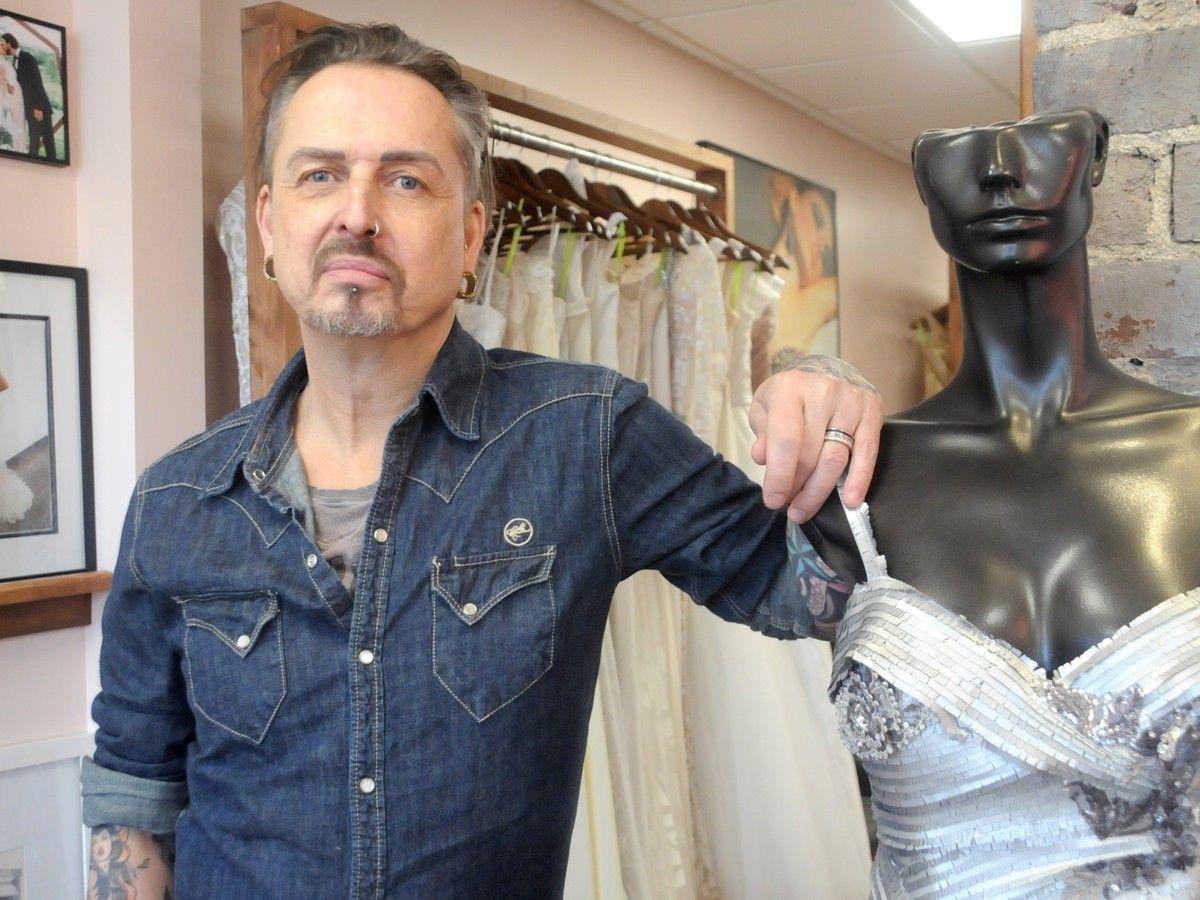
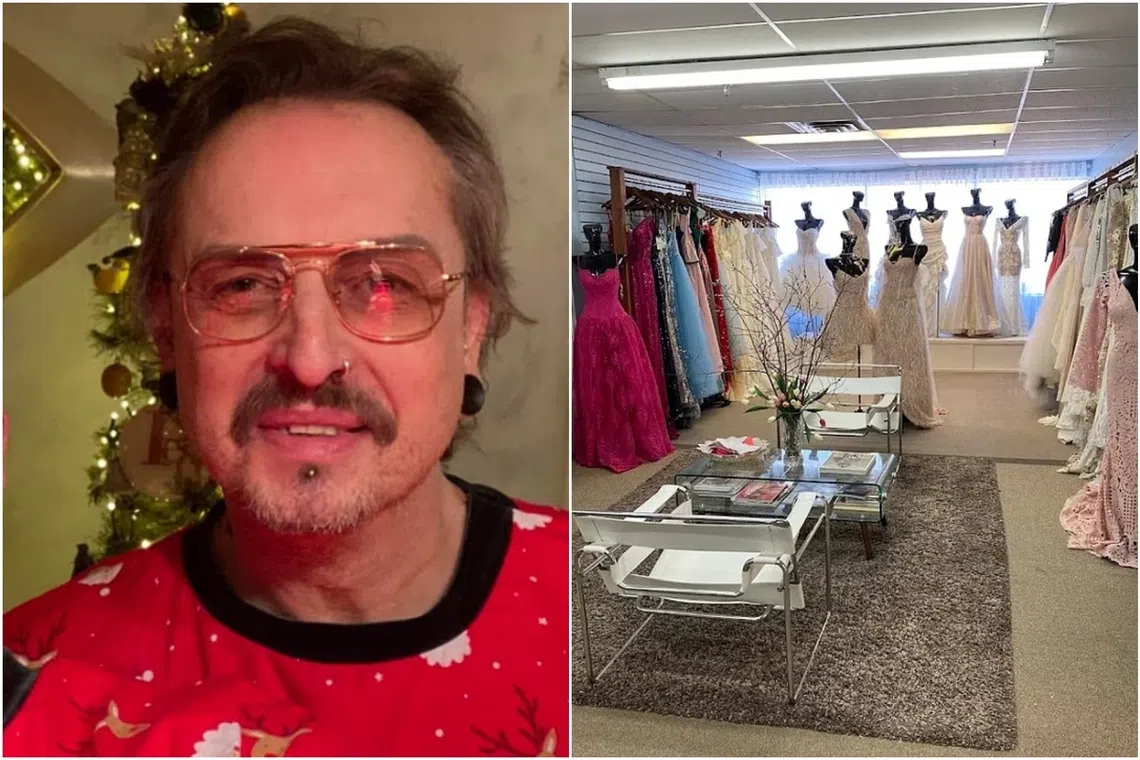
A Newfoundland bridal shop owner convicted of assaulting a rambunctious seven-year-old by hanging him from a coat hook until his face turned purple has been granted an absolute discharge.
asserted
face → convict → discharge
Rodney Philpott, who co-owns a bridal shop in Grand Falls, N.L., was convicted this past summer for assaulting the son of a customer’s fiancé in March 2025.
asserted
who → co → March
“I appreciate it is rare to impose a discharge in a case involving the assault of a child.
asserted
it → appreciate → child
But the unique circumstances of this offence and this offender satisfy the court that a discharge would not be contrary to the public interest,” Provincial Court Judge Lloyd Strickland wrote in a recent decision.
asserted
Strickland → satisfy → decision
Philpott was serving a woman, who had her fiancé’s son in tow while she searched for a wedding gown on March 25, 2025.
asserted
she → serve → March
“The boy was hyper and probably a distraction,” the judge said in his Sept. 24 decision.
asserted
judge → say → decision
Philpott lifted the boy “and hung him by his coat hood on a hanger in the dressing room,” said the judge, who called the act “an ill-considered, misguided continuation of horseplay.”
asserted
who → lift → horseplay
“The boy struggled to breathe; presumably the collar of his coat was pressed firmly against his throat.”
asserted
collar → struggle → throat
The court heard the child had been running around in the dressing room, “tormenting” Philpott, who was bringing the woman dresses.
asserted
who → hear → dresses
The woman and another adult family member testified Philpott grabbed the boy, turned the hood of his coat inside out and hung him on a coat hook on the wall, taking him down when the child’s face turned purple.
asserted
face → testify → him
The boy also testified, telling the court the man who gave the bride the dresses had hung him on a hook, and he felt a pinch on his throat as he was hanging.
asserted
he → testify → throat
A bruise was later discovered on the boy’s neck.
asserted
bruise → discover → neck
His father told the court the boy “had neck pain and missed a few days of school recovering.”
The boy “has had issues sleeping and has expressed a fear of returning to the mall where the bridal shop is located,” according to his dad.
uncertain
shop → tell → dad
The Crown recommended a suspended sentence and probation.
asserted
Crown → recommend → sentence
Prosecutors also asked that Philpott be supervised by a probation officer, attend counselling, and be prohibited from having any contact with the boy or his family.
asserted
Philpott → ask → boy
Philpott’s lawyer argued successfully for an absolute discharge.
asserted
lawyer → argue → discharge
She asked the court to consider the “specific detrimental impact of a conviction.
asserted
She → ask → conviction
Mr. Philpott would be limited in his ability to gain entry to other countries such as the United States.
asserted
Philpott → limit → States
He routinely travels to attend bridal fashion trade shows.”
asserted
He → travel → shows
Philpott, 54, “has been a businessman locally and abroad for quite some time,” Strickland said.
asserted
Strickland → say → time
He’s “maintained his innocence,” said the judge.
asserted
judge → maintain → innocence
According to Strickland, “the most evident aggravating factor in this case is the age of the victim.
uncertain
factor → accord → victim
If the court is tasked with the responsibility of protecting the public, there must be specific attention paid to the safety of those most in need of protection.”
asserted
court → task → protection
Further aggravating, said the judge, is the injury the lad suffered.
asserted
lad → say → ?
Philpott “cannot be said to have been in a traditional position of trust with respect to the boy,” Strickland said.
asserted
Strickland → say → boy
“Nonetheless, children do tend to implicitly trust adults.
asserted
children → tend → adults
Though they had just met, there was evidence of playful interaction between (the boy) and the offender.”
asserted
they → meet → boy
Nobody “testified that the boy resisted when he was lifted and placed on the hook,” said the judge.
asserted
judge → testify → hook
“I expect (the boy) did not anticipate the possibility that Mr. Philpott would place him at risk of harm.
asserted
Philpott → expect → harm
Adults must accept that even without a familial relation, children do tend to trust grown-ups.”
asserted
children → accept → ups
Mitigating factors in Philpott’s case include his lack of a previous criminal record, Strickland said.
asserted
Strickland → mitigate → record
“He has been a contributing member of the community and a respected businessman for some time.”
asserted
He → contribute → time
Philpott didn’t strike out at the child in anger, said the judge, who said he had no reason to believe the bridal shop owner meant to cause the boy any harm.
asserted
owner → strike → harm
“There may have been a degree of frustration with (the boy’s) behaviour, but the reaction and testimony of the witnesses who were in the dressing room indicate that the assault was a continuation of ongoing horseplay between the offender and the boy.”
uncertain
assault → indicate → offender
Strickland said he had “no difficulty concluding that a discharge would be in Mr. Philpott’s best interests.
asserted
discharge → say → interests
But I do recognize that the person before the court is a middle-aged businessman with no record of criminal wrongdoing.
asserted
person → recognize → wrongdoing
I expect he will be very hesitant to ever handle a child again.”
asserted
he → expect → child
Philpott’s “diminished moral blameworthiness” plays in his favour, Strickland said.
asserted
Strickland → play → favour
“He did not act in anger or with an intention to harm.
asserted
He → act → intention
He has never been convicted before, and the circumstances of this case give me no reason to believe he is a risk to anyone’s safety going forward.”
asserted
he → convict → safety
…and 3 more, not listed.
 The Aporia