The Sydney Morning Herald
· collected 2026-10-02 · by Kylie Northover
Barbara Kingsolver discusses her latest novel "Partita," set in Tennessee farm country, which explores themes of love, loss, and redemption through the story of Livia Cable, a former pianist whose life is altered by a passionate romance. In an interview, Kingsolver addresses how Appalachian culture, often stereotyped negatively, has influenced her work to challenge misconceptions about the region. Her previous novel "Demon Copperhead" gained critical acclaim and increased awareness about systemic poverty and the opioid crisis in Appalachia.
Written locally by qwen2.5:14b on 2026-10-02,
using this article's own text rather than the other coverage of the
same event (that is the story summary below).
Appalachian culture has been trending on social media recently, with viral videos focusing on the folklore and superstition of the region, an ancient mountain system that stretches almost 2500 kilometres across 13 states from eastern Canada to Alabama.
asserted
that → trend → Alabama
Most are designed to creep viewers out, with atmospheric footage of ancient forests, warnings about shapeshifting monsters in the mountains, and advice such as “never whistle at night”.
asserted
Most → design → night
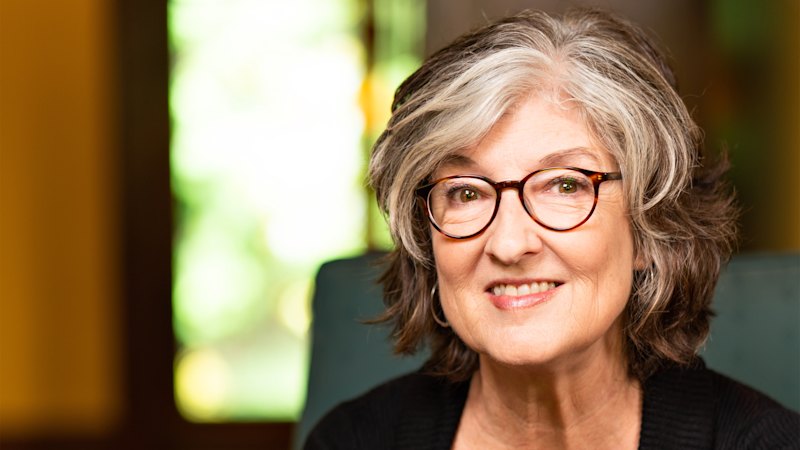
Author Barbara Kingsolver, one of Appalachia’s most celebrated contemporary writers, has heard them all before.
asserted
Kingsolver → hear → them
“And you don’t say thank you when someone gives you a plant, or it will die,” she tells me over Zoom from her home in southwestern Virginia.
asserted
she → say → Virginia
“I don’t know about social media, but that’s just … life.
asserted
that → know → media
What’s fun about Appalachia is that we are a very distinct culture in the US, for better and for worse, even though we have endured a lot of condescension.”
asserted
we → ’ → condescension
Hillbillies, rednecks, hicks and the more recent “deplorables” – Kingsolver has heard them all, but she’s long been a fierce champion for Appalachian pride, using her books and community advocacy to challenge long-held cultural stereotypes.
asserted
she → hear → stereotypes
Her 2022 novel Demon Copperhead, an Appalachian reimagining of Charles Dickens’ 1850 classic David Copperfield, is credited with increasing people’s awareness of and empathy for the region’s culture, particularly the systemic poverty and its decimation by the opioid crisis.
asserted
novel → credit → crisis
The novel also sold millions, was critically acclaimed, and won a slew of prizes, including the Pulitzer Prize for Fiction.
asserted
novel → sell → Fiction
Her much-anticipated follow-up is again set largely in Appalachia, this time in Tennessee farm country.
asserted
up → anticipate → country
Partita (the name given to a musical suite made up of contrasting dance movements), is the story of Livia Cable, who lives a quiet life in the farming community she grew up in; she’s married to Charlie, and they share duties on their small dairy farm, while Livia also teaches piano to school students.
asserted
Livia → give → students
Then she receives a phone call from a former lover that threatens to upend her life.
asserted
that → receive → life
Livia was once Livia Bohusz, a gifted pianist haunted by the death of her brother, Cyrus, when she was 11 years old.
asserted
she → haunt → brother
After his death, Livia’s parents withdrew into silence and music became her solace.
asserted
music → withdraw → silence
When she won a scholarship to a prestigious music conservatory, she could see a future beyond her stultifying home life, even if she felt at a remove from her more urbane classmates.
uncertain
she → win → classmates
She found a nice musician boyfriend, learned to tamp down her “hillbilly” accent, and set her sights on a career as a concert pianist.
asserted
She → find → pianist
But it was all derailed by an encounter with a man with “shirt sleeves rolled to the elbow, muscles you wouldn’t miss in the rearview”.
asserted
you → derail → rearview
Without giving anything away, this passionate romance changes the trajectory of Livia’s entire life.
asserted
romance → give → life
Before she was a novelist, Kingsolver was a science journalist, and before that, she studied piano on a music scholarship – but Partita is not, she says, autobiographical in any way.
asserted
she → study → way
“I don’t write about myself,” she says.
asserted
she → write → myself
“Obviously writers draw on our experiences to some extent, but … my books are never about me.”
asserted
books → draw → me
As someone who studied piano for years, and has lugged a piano from house to house for more than 20 years without tuning it, I was inspired by Kingsolver’s novel to get back to the keyboard – even though I’m nowhere near Livia’s playing level.
asserted
I → study → level
“That makes me really happy,” Kingsolver says.
asserted
Kingsolver → make → ?
“And I have never played at the level of Livia, either.
asserted
I → play → Livia
I was good, but she’s great; she could have been a concert pianist.”
uncertain
she → ’ → ?
Kingsolver still plays, but like her protagonist, cannot play the piece that forms the centre of the book, Ravel’s Gaspard de la Nuit.
asserted
that → play → book
Mind you, it’s said that Ravel himself couldn’t even play it himself.
asserted
Ravel → mind → it
“Isn’t that something, that he composed pieces that he could not play himself?
uncertain
he → compose → that
Maybe he wasn’t really doing it for himself - he was doing it for us, 100 years later,” she marvels.
asserted
she → do → us
“That’s the remarkable thing about artists; they get to live forever.”
asserted
they → ’ → artists
While Partita is a story of a Livia’s life, it’s also a paean to music and art.
asserted
it → ’ → music
“It ponders the question, what good is art?
asserted
art → ponder → question
Why do we need it?
asserted
we → need → it
Why do we keep coming back to it year after year, century after century,” Kingsolver says.
asserted
Kingsolver → keep → century
“There’s something in us that craves beauty, from the first cave painting on a wall … and I think about music, I think that the very earliest humans must have been singing.”
asserted
humans → ’ → music
Art and music, she says, are primal.
asserted
she → say → ?
“My novels always ask big questions and I think it’s worth interrogating in modern times when I think economic struggle kind of forces us into practical decisions, and in times of global recession, we’re running past the days when we thought we had everything and there was an endless supply of everything.”
asserted
we → ask → everything
As people start to pare down, she says, it’s often the arts that get cut.
asserted
that → start → ?
“I don’t know the story in Australia but in the US, our government cut funding for the arts at every level from the National Endowment for the Humanities down to grade school art programs and music programs,” she says.
asserted
she → know → programs
“I think it’s time to ask ourselves, what is the nutritional value of art?
asserted
value → think → art
…and 31 more, not listed.
 The Aporia