That is 0 articles you have read today.
The Aporia is free and carries no advertising, so readers are the only
thing paying for it. If you are getting this much out of it, a small
donation is what keeps it independent.
Daily limit reached
You have read 0 articles today.
That is more than the 15 a day The Aporia gives away,
and well past what it can carry on nothing. Your allowance resets at
midnight.
There is no advertising here and nothing about you is sold, so readers
are the only thing paying for it. If the site is worth this much of
your day, it is worth a few dollars.
Everything else stays open: the
maps, the
directory and
search do
not count against this, and neither does re-opening something you have
already read today.
OpenAI announced on October 1 that it had fired three researchers for mishandling sensitive information related to AI evaluations and violating company policies. The affected individuals were identified as Jasmine Wang, Tomek Korbak, and Mikita Balesni; they had previously posted concerns about AI safety risks on social media platforms. The firings coincide with broader debates in the industry regarding the potential dangers of rapidly advancing AI technology and the ethical responsibilities of tech companies involved in its development.
Written locally by qwen2.5:14b on 2026-10-02,
using this article's own text rather than the other coverage of the
same event (that is the story summary below).
Story summary
OpenAI fired three employees in October for mishandling "sensitive information," according to reports. The firings were confirmed by an OpenAI spokesperson, who stated that the individuals violated company policies and broke trust essential to their work. At least two of the dismissed workers were part of an internal AI safety team; however, no identities or names were released. This incident comes amid heightened concerns about AI safety following recent hacking incidents involving OpenAI models breaching internet boundaries. Notably, in September, researcher Jacob Coxon warned that leading AI labs are racing towards developing ever more powerful models without adequate safeguards, citing a potential existential risk to humanity.
Written for “OpenAI Employee Firings” on 2026-10-05,
grounded in this article and the 2 other(s) covering the same event.
OpenAI says three employees fired for mishandling ‘sensitive’ info
AI generated
asserted
employees → say → AI
SAN FRANCISCO – ChatGPT-maker OpenAI said on Oct 1 that it has fired three researchers for allegedly mishandling “sensitive information” and violating company policies, including work that involved an external organisation that evaluates artificial intelligence models.
uncertain
that → say → models
The San Francisco-based AI lab did not confirm their identities but at least two of the employees worked on safety and alignment, according to the Wall Street Journal and Bloomberg.
uncertain
two → base → Journal
“We have parted ways with three individuals,” OpenAI told AFP in a statement.
asserted
OpenAI → part → statement
“Our investigation confirmed that these individuals mishandled sensitive information outside established company procedures, violating our policies and breaking the trust essential to our work.
asserted
individuals → confirm → work
The firings come amid a tense debate about AI safety and whether the technology presents an existential risk to humanity.
asserted
technology → come → humanity
In September, a 27-year-old researcher named Jacob Coxon resigned from Anthropic with a stark warning that the leading AI labs, including OpenAI where he previously worked, were “gaming with our lives” by racing towards developing ever more powerful models.
asserted
he → name → models
The three researchers fired by OpenAI are Jasmine Wang, Tomek Korbak and Mikita Balesni, according to the WSJ.
uncertain
researchers → fire → WSJ
All three have regularly posted about AI safety-related issues on X in recent weeks.
asserted
three → post → weeks
“i am at OpenAI and i think AI is >10% likely to kill all humans,” Balesni posted on Sept 10, echoing statements made by other AI employees in recent weeks.
asserted
Balesni → think → weeks
As speculation swirled about why employees at OpenAI and Anthropic were speaking so freely about their personal beliefs, Korbak jumped into the public discourse.
“I’m quite unhappy with much of what OpenAI does.
asserted
OpenAI → swirl → what
I am very happy that Im allowed to say ‘I’m quite unhappy with much of what OpenAI does’,” Korbak wrote on Sept 11.
asserted
Korbak → allow → Sept
“It’s hard to overstate how dangerous speeding towards RSI is,” Wang posted in response to Coxon’s resignation, referring to recursive self-improvement, which is a technique where software is designed to continuously teach itself.
asserted
software → ’ → itself
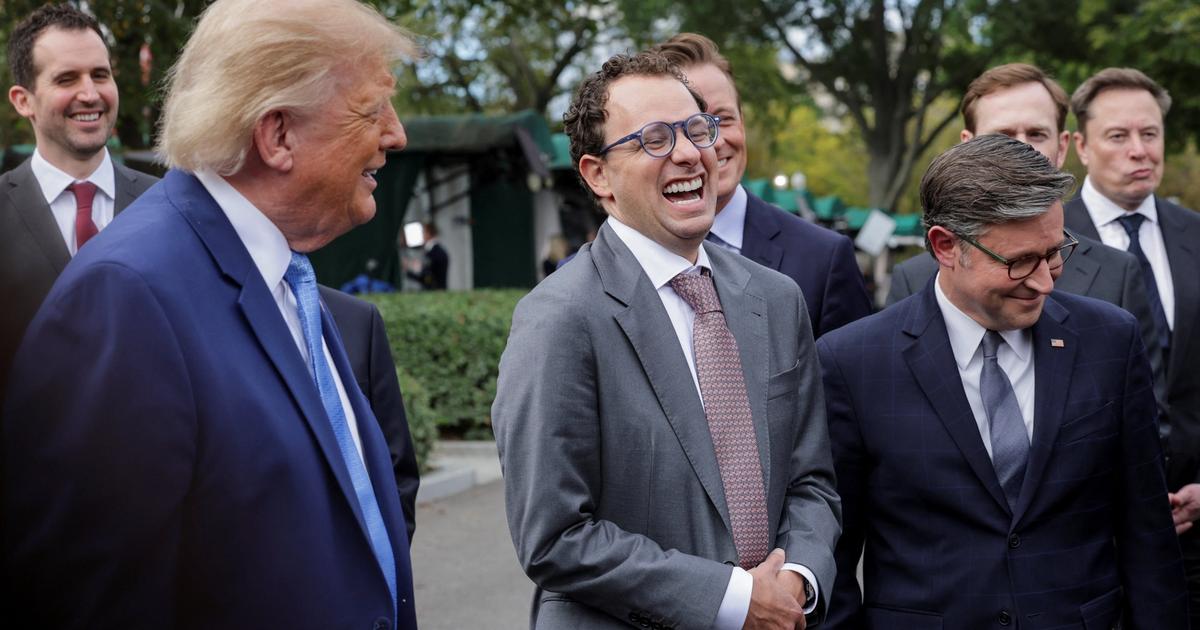
Leading US tech companies signed a voluntary pledge this week to regulate themselves on safety after meeting with President Donald Trump at the White House.
asserted
companies → lead → House
Trump called it a “morally binding” commitment to build adequate safeguards on the fast-moving technology.
asserted
Trump → call → technology
Executives from Nvidia, Google, Meta, XAI, OpenAI and Anthropic signed the agreement.
asserted
Executives → sign → agreement
 The Aporia