For decades, millions of tons of uranium mill tailings sat beside the Colorado River near Moab, Utah, leaving behind a major environmental cleanup challenge in a landscape known for its red rock scenery and tourism.
asserted
millions → sit → scenery
The waste came from a uranium processing site that operated during the Cold War era, and concerns grew over contamination near the river.
asserted
concerns → come → river
According to the U.S. Department of Energy, crews began transporting the tailings by rail in 2009 to an engineered disposal cell about 30 miles away in Crescent Junction.
uncertain
crews → accord → Junction
In September 2026, the Moab Uranium Mill Tailings Remedial Action Project marked a major milestone: 17 million tons had been removed from the riverbanks.
asserted
tons → mark → riverbanks
How the waste reached the riverbank
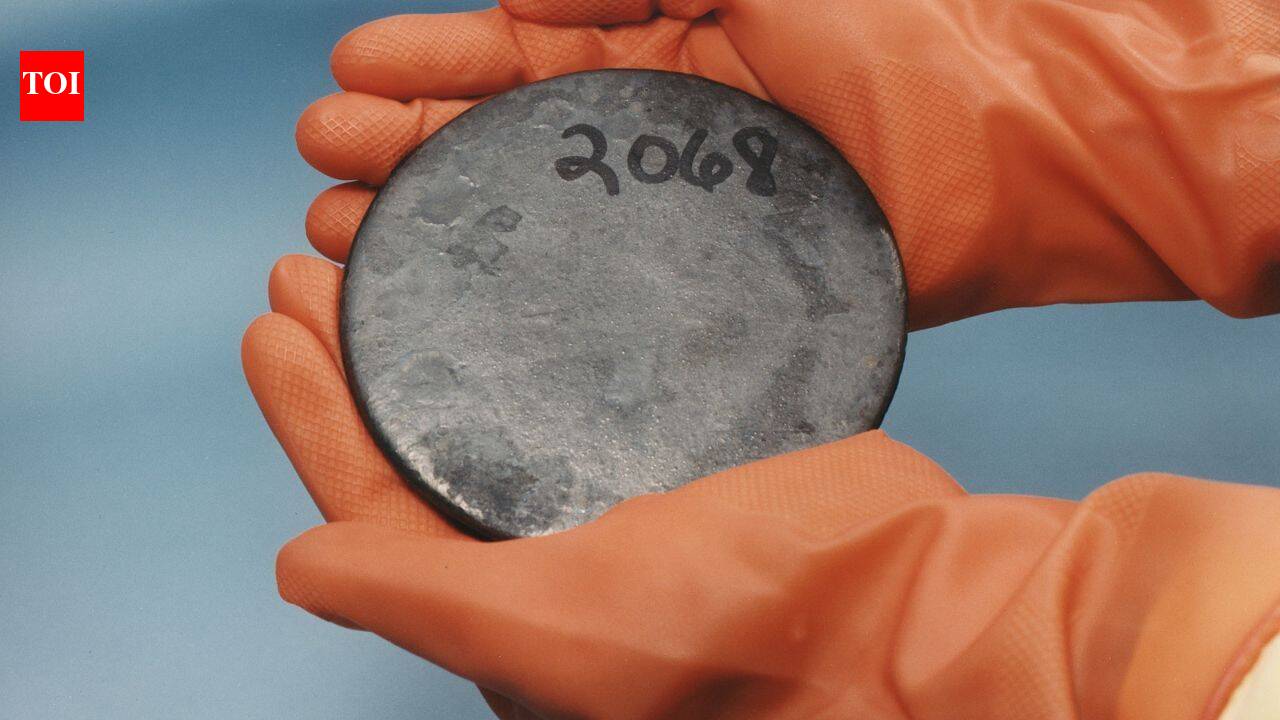
The material left near Moab was uranium mill tailings, the sand-like waste produced after uranium-bearing ore is processed.
asserted
ore → reach → Moab
Although the tailings do not resemble the bright yellow uranium compounds often shown in popular culture, they can contain radioactive materials and other contaminants that require long-term management.
asserted
that → resemble → management
The former Moab uranium mill operated near the Colorado River, an important waterway that supplies communities, supports agriculture and carries water through some of the American Southwest’s most environmentally sensitive landscapes.
asserted
that → operate → landscapes
When the mill closed, the tailings remained at the site.
asserted
tailings → close → site
For many years, the waste was stored in a large pile close to the river.
asserted
waste → store → river
Its location created concern because wind, erosion, flooding and groundwater movement could potentially carry contaminants away from the original site.
uncertain
wind → create → site
The material was not treated like ordinary construction debris.
asserted
material → treat → debris
It required a carefully planned removal process that could protect workers, nearby communities, transportation routes and the river corridor.
uncertain
that → require → workers
Rail transport began in 2009
The Department of Energy began moving the tailings by rail in 2009.
asserted
Department → begin → 2009
Rather than carrying the waste by truck through surrounding communities and roads, the project used specially managed rail shipments to transport it from the Moab Site to Crescent Junction.
asserted
project → carry → Junction
The disposal cell is located approximately 30 miles away.
asserted
cell → locate → ?
It was engineered specifically to contain the material and reduce the possibility that water, wind or erosion could spread contamination.
uncertain
water → engineer → contamination
Moving 17 million tons is a logistical operation on a massive scale.
asserted
Moving → move → scale
Crews have had to excavate the tailings, load the material into rail containers, transport it to the disposal location and place it inside the engineered cell.
asserted
Crews → have → cell
Each stage involves monitoring and safety controls.
asserted
stage → involve → controls
The work must also account for changing weather, equipment maintenance, rail scheduling and the need to prevent dust or contaminated material from escaping during handling.
asserted
work → account → handling
Why the location matters
asserted
location → matter → ?
The proximity of the tailings pile to the Colorado River made the Moab cleanup especially important.
asserted
cleanup → make → River
The river is not only a major regional water source, but also a defining feature of the surrounding environment.
asserted
river → define → environment
Moab is known for its national parks, desert landscapes and outdoor recreation.
asserted
Moab → know → parks
The river corridor supports wildlife and provides a route through a region where water is already limited.
asserted
water → support → region
Protecting the area requires attention to both visible pollution and contamination that may move through soil or groundwater.
uncertain
that → protect → soil
The Department of Energy’s project is intended to remove the large surface pile and address contamination beneath and next to it.
asserted
project → intend → it
Removing the material reduces the risk associated with leaving a radioactive waste pile in place beside the river.
asserted
Removing → remove → river
However, the completion of the main removal milestone does not mean every part of the cleanup is finished.
asserted
part → mean → cleanup
The site still requires monitoring, construction and restoration work.
asserted
site → require → work
What remains to be done
According to the Department of Energy, crews will continue developing and implementing a final groundwater compliance action plan.
uncertain
crews → remain → plan
This work will determine how groundwater conditions are monitored and managed over the long term.
asserted
conditions → determine → term
The project also includes removing contaminated soil beneath and adjacent to the original surface tailings pile.
asserted
project → include → pile
Even after the visible waste has been transported away, material beneath the pile may require excavation or other treatment.
uncertain
material → transport → excavation
Officials must also demonstrate compliance with radiological standards.
asserted
Officials → demonstrate → standards
That process involves testing and documentation to confirm that the site meets the requirements established for cleanup and long-term management.
asserted
site → involve → cleanup
Other remaining tasks include disposing of equipment and infrastructure used during the project, completing the cover over the Crescent Junction disposal cell and stabilising the Moab site.
asserted
tasks → remain → site
Final stabilisation is expected to involve regrading the surface and revegetating the area so that it is less vulnerable to erosion.
asserted
it → expect → erosion
The Crescent Junction site is designed to contain the tailings for the long term.
asserted
site → design → term
Its cover will play an important role in managing moisture and protecting the disposal cell’s integrity.
asserted
cover → play → integrity
…and 13 more, not listed.
 The Aporia