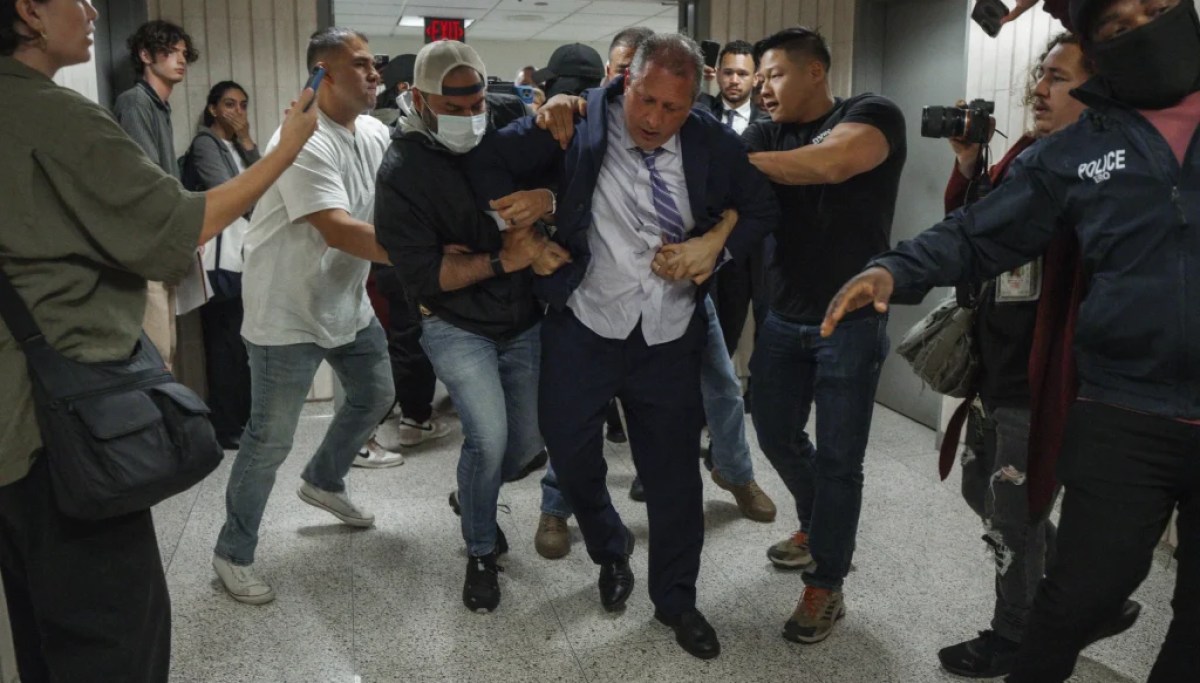
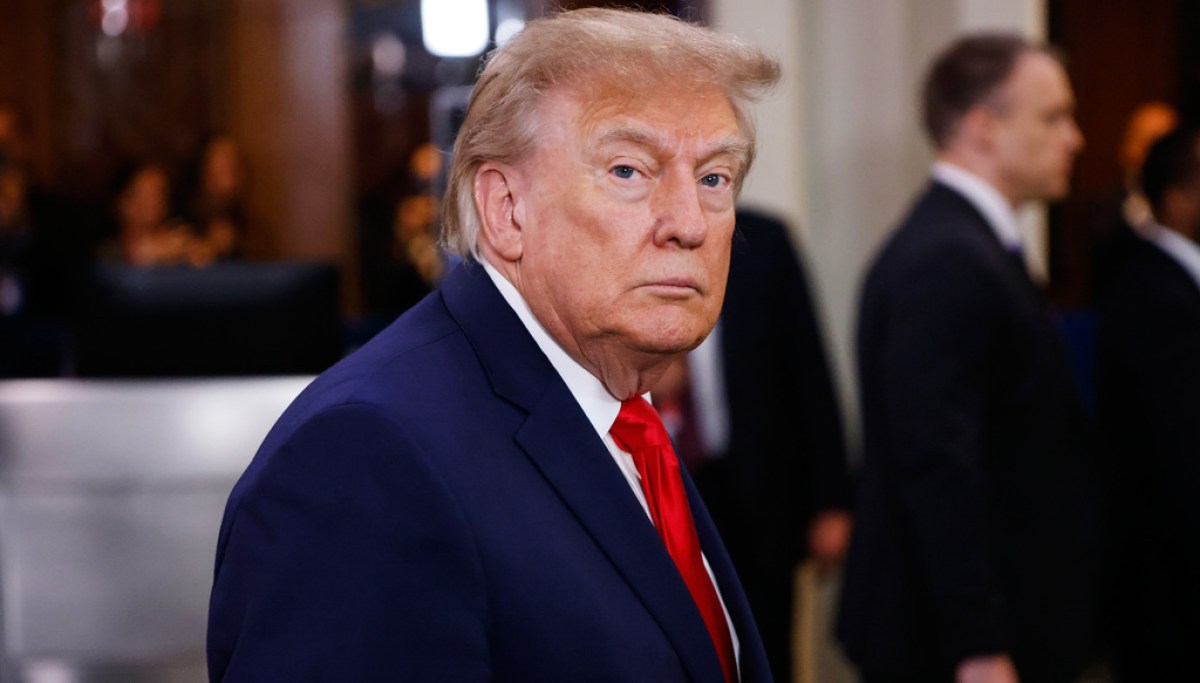
ICE has reversed its policy twice in two months regarding traffic stops by its officers, now limiting such stops to those who have completed five specific training programs. The new directive restricts vehicle pursuits but allows “pinning” a fleeing car under certain conditions and for officer safety. This policy shift follows conflicting directives from President Trump and Homeland Security Secretary Markwayne Mullin over ICE’s authority to conduct traffic stops after fatal incidents involving illegal immigrants.
Written locally by qwen2.5:14b on 2026-10-01,
using this article's own text rather than the other coverage of the
same event (that is the story summary below).
Story summary
ICE has revised its policies regarding traffic stops and high-speed chases for its officers following incidents that led to fatal shootings involving the agency. In July and August, ICE initially restricted all traffic stops but then lifted this ban. Now, a leaked memo from ICE mandates that only agents who have completed specific training programs can conduct routine and high-risk vehicle stops. These required trainings include the Fugitive Operations Training Program, Advanced Field Operations Training Program, Basic Immigration Enforcement Training, Special Response Team Operator Course, and Vehicle Stop Instructor Training.
The new directive emphasizes enhanced officer training to prevent deadly encounters during traffic stops. It also prohibits ICE agents from pursuing vehicles that fail to stop; instead, they are instructed to gather vehicle information for further investigation off-site. This policy shift follows multiple incidents where ICE officers have used lethal force in pursuit situations since last year, resulting in at least four fatalities and several injuries.
Written for “ICE Vehicle Pursuit Policy Changes” on 2026-10-05,
grounded in this article and the 1 other(s) covering the same event.
The Trump administration has again walked back a decision to allow all Immigration and Customs Enforcement officers to pull vehicles over for traffic stops, reversing course two months after initially imposing the ban and then doing away with it.
asserted
officers → walk → it
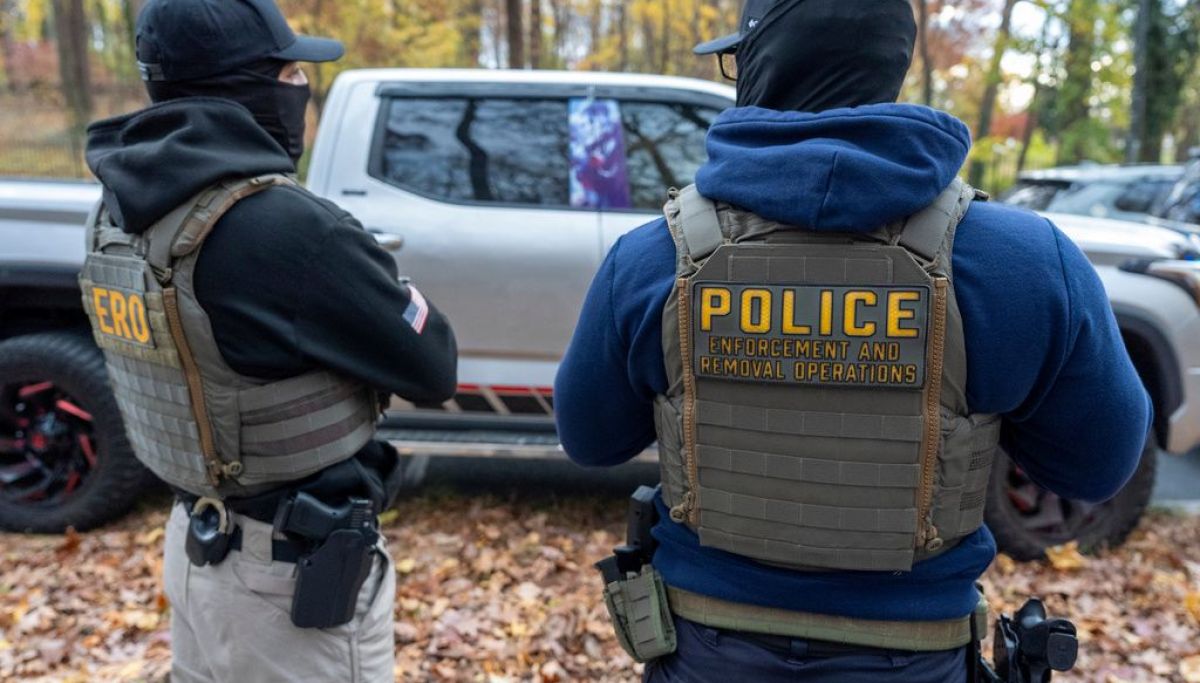
A leaked ICE memo issued Wednesday and obtained by the Washington Examiner on Thursday states that previous direction issued in July and August has been replaced with a new policy that says only officers who have completed five specific ICE training courses may conduct traditional traffic stops and high-risk or felony vehicle stops.
uncertain
who → leak → stops
Under the new requirements, officers must complete the Fugitive Operations Training Program; Advanced Field Operations Training Program; Basic Immigration Enforcement Training Program; Special Response Team Basic Operator Course; ICE vehicle training provided by an instructor who graduated from the Vehicle Stop Instructor Training course; and any future agency-provided training.
asserted
who → complete → course
New hires who have only completed one training program may be on site at traffic stops in a “support” capacity and are “not permitted to be the driver of a primary or secondary vehicle conducting the traffic stop,” the memo says.
uncertain
memo → complete → stop
The memo states that “under no circumstances are [Enforcement and Removal Operations officers] authorized to engage in vehicle pursuits or PIT maneuvers for vehicles that fail to pull over.”
asserted
that → state → vehicles
Instead, officers should document vehicle information and the direction it is headed for further investigation.
asserted
it → document → investigation
Drivers are allowed to “pin” a vehicle when it is for the safety of the suspect vehicle and its occupants, the ICE officers involved in the pursuit, or other motorists on the road.
asserted
it → allow → road
Pinning is defined as “using a vehicle or physical barrier to trap or stop a car.”
asserted
Pinning → define → car
Only officers who have completed the Special Response Team Basic Operator Course, ICE Vehicle Stop training provided by an instructor who graduated from the Vehicle Stop Instructor Training course, and any future agency-provided course may pin vehicles.
uncertain
who → complete → vehicles
Tire deflation devices may be used to stop a vehicle from fleeing ICE when the fleeing vehicle, ICE officers, or public are at risk.
uncertain
vehicle → use → risk
Officers must have completed ICE Vehicle Stop training to be cleared for this type of response.
asserted
Officers → complete → response
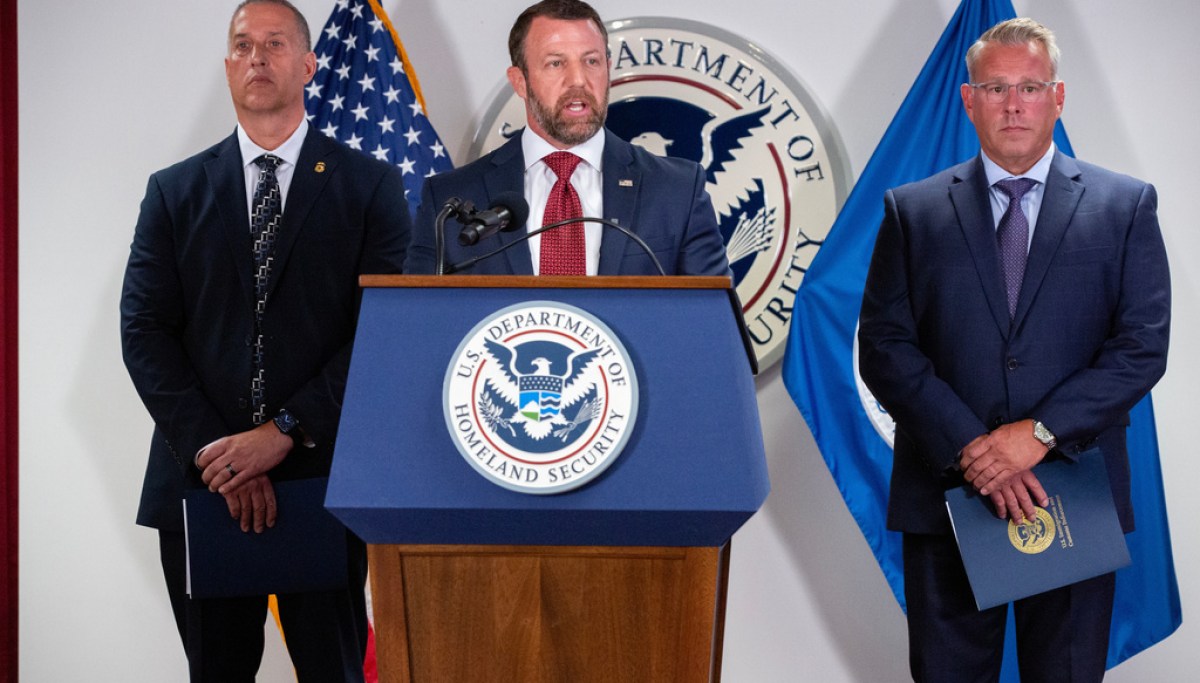
Thousands of ICE officers were caught in a disagreement between President Donald Trump and Homeland Security Secretary Markwayne Mullin in mid-July over ICE’s ability to conduct traffic stops.
asserted
Thousands → catch → stops
In the wake of two ICE-involved fatal shootings of illegal immigrants in Texas and Maine in one week, Mullin directed ICE to stop pursuing vehicles when attempting to make arrests.
asserted
Mullin → involve → arrests
Less than 24 hours later, Trump publicly undercut Mullin and demanded the traffic stops continue, stating in a Truth Social post on Wednesday morning that “we CANNOT give up one of I.C.E.’s most important and effective Crime Fighting tools, THE TRAFFIC STOP!”
asserted
we → undercut → tools
This latest iteration of traffic stop guidance comes as thousands of new hires emerge from the academy and hit the street.
asserted
thousands → come → street
The Washington Examiner previously reported that recruits were being put onto the street before government background checks had been completed in the Trump administration’s rush to speed up deportations.
asserted
checks → report → deportations
The memo also instructs ICE’s deportation officers who are deployed to traffic stops to have an agency-issued body camera activated.
asserted
camera → instruct → stops
Cameras were deployed to an unspecified number of ICE personnel following outcry from lawmakers after the fatal shooting of two U.S. citizen activists in Minneapolis in January.
asserted
Cameras → deploy → January
However, in recent ICE-involved shootings, officers either have not had the body cameras turned on or not had cameras to record events.
asserted
cameras → involve → events
 The Aporia