Judge William Sullivan in Lindsay Clancy’s murder trial rejected the defense's request for a not-guilty verdict based on lack of criminal responsibility due to mental illness. Six forensic experts agreed that Clancy was suffering from serious mental health issues, but disagreed on whether this negates her legal culpability. The judge ruled that despite evidence of severe mental illness, prosecutors presented sufficient proof indicating Clancy knew her actions were wrong and thus had the necessary capacity for criminal responsibility.
Written locally by qwen2.5:14b on 2026-10-01,
using this article's own text rather than the other coverage of the
same event (that is the story summary below).
Story summary
In January 2023, Lindsay Clancy, a 36-year-old former labor and delivery nurse from Massachusetts, allegedly killed her three young children—Cora (5), Dawson (3), and Callan (8 months)—with exercise bands before attempting suicide by cutting herself with a knife and jumping from a second-story window. Following a mistrial declared on September 4 due to a deadlocked jury, Judge William Sullivan rejected Clancy’s defense attorney's request for a not-guilty verdict based on lack of evidence proving criminal responsibility beyond a reasonable doubt. The judge noted that the prosecution provided sufficient evidence, including expert testimony and physical/circumstantial proof, supporting Clancy's culpability despite her mental illness claims. Both sides presented evidence indicating Clancy suffered from severe postpartum psychosis but Sullivan emphasized the necessity for a jury to determine if she was criminally responsible at the time of the murders.
Written for “Lindsay Clancy Murder Trial Denials” on 2026-10-04,
grounded in this article and the 9 other(s) covering the same event.
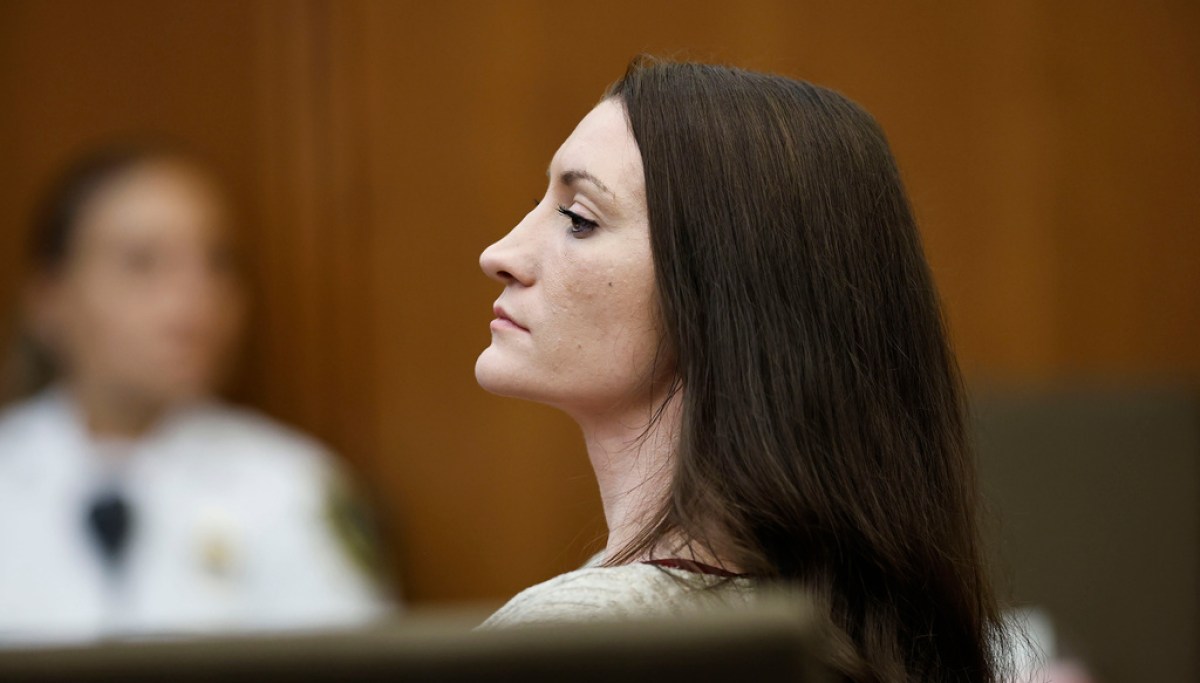
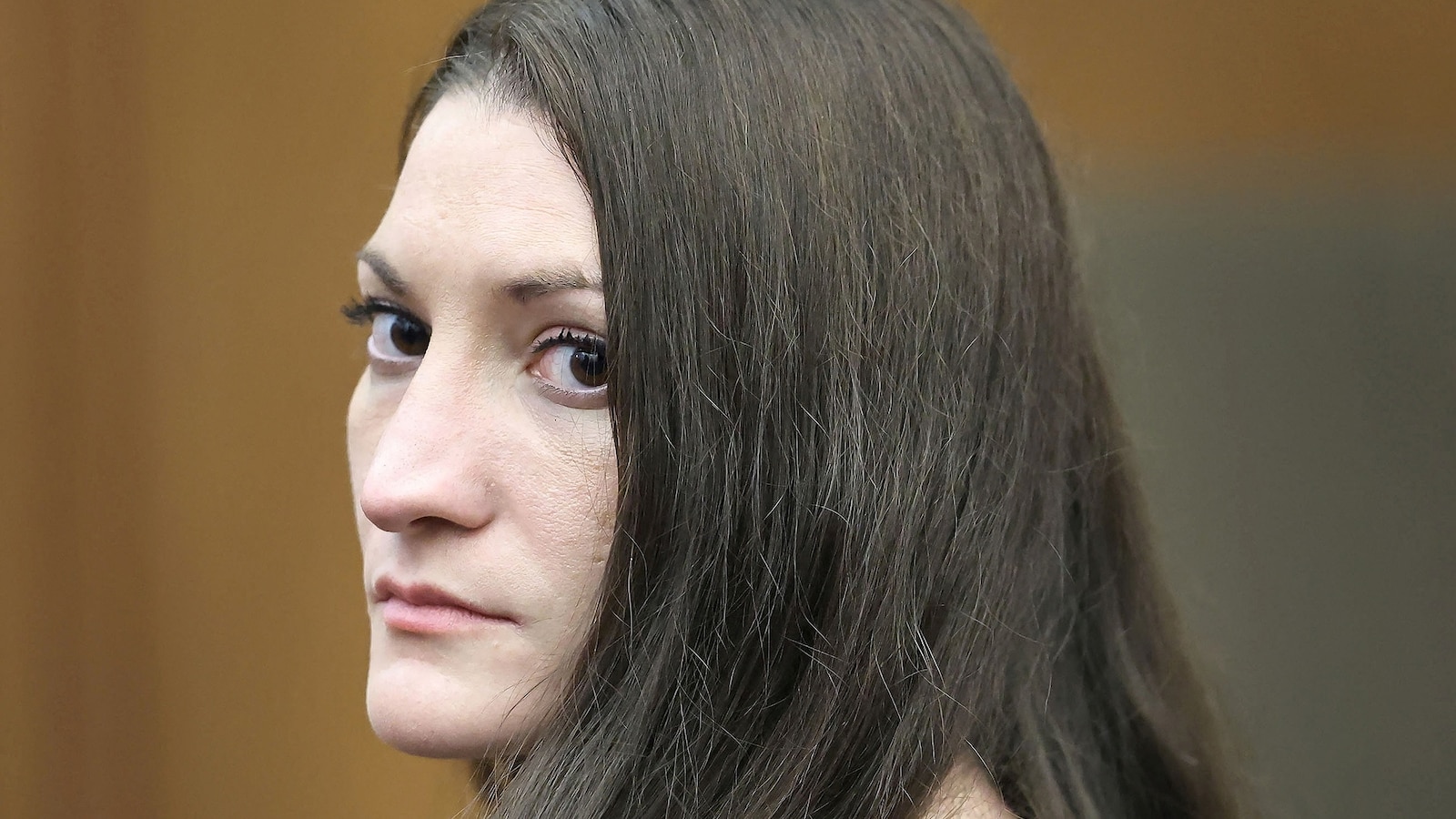
The Massachusetts judge overseeing Lindsay Clancy’s trial declined defense attorney Kevin Reddington’s request to find the mother accused of killing her three children not guilty by lack of criminal responsibility after a mistrial was declared last month.
asserted
mistrial → oversee → responsibility
Reddington had argued that the commonwealth and defense’s expert witnesses agreed that Clancy suffered from a severe mental illness and that the prosecution did not prove Clancy had the capacity to know what she was doing was wrong.
asserted
doing → argue → what
Although Plymouth Superior Court Judge William Sullivan rejected Reddington’s prior motion, he agreed that both the defense and prosecution presented evidence that Clancy was suffering from mental illness.
asserted
Clancy → reject → illness
However, Sullivan disputed the idea that the presence of mental illness prevents criminal responsibility.
asserted
presence → dispute → responsibility
“Both the defendant and the Commonwealth introduced expert testimony that the defendant, at the time of the killings, suffered from some form of mental illness,” Sullivan said.
asserted
Sullivan → introduce → illness
“Mental illness alone does not preclude a finding of criminal responsibility beyond a reasonable doubt.”
asserted
illness → preclude → doubt
Six forensic experts who testified in the trial, three called by each side, all said Clancy was suffering from serious mental illness on Jan. 24, 2023, only varying by what type of illness.
asserted
Clancy → testify → illness
The prosecution presented witnesses who said Clancy was in a sane state of mind because she was able to perform a series of tasks on the day of the killings, which Reddington argued does not prove sanity.
asserted
Reddington → present → sanity
The commonwealth’s theory of criminal responsibility hinged on the fact that she had the mental capacity to understand that what she was doing was wrong, which Sullivan said was supported by evidence “regarding the nature and methods of the killings and the defendant’s actions and demeanor at times.”
asserted
Sullivan → hinge → times
In his order, Sullivan also rejected a claim presented by Reddington on Tuesday in which the defense attorney claimed that prosecutors have not presented enough evidence to prove that she was responsible for their deaths.
uncertain
she → reject → deaths
During the first hearing since Sullivan declared a mistrial, Reddington alleged that the “entire case is based on speculation.”
asserted
case → declare → speculation
Reddington argued that Clancy had experienced a medical trauma when she was found after the deaths and had little memory of the events.
asserted
she → argue → events
He argued the state in which Clancy was found, coupled with his claim that she was experiencing psychosis and delusions at the time of the deaths, is not a strong enough case to prove beyond a reasonable doubt that the mother killed her children.
uncertain
mother → argue → children
Sullivan explained that the evidence presented during the trial, which accounted for the whereabouts of Clancy’s husband, Patrick Clancy, during the time of the murders, was sufficient evidence to satisfy the beyond a reasonable doubt statute.
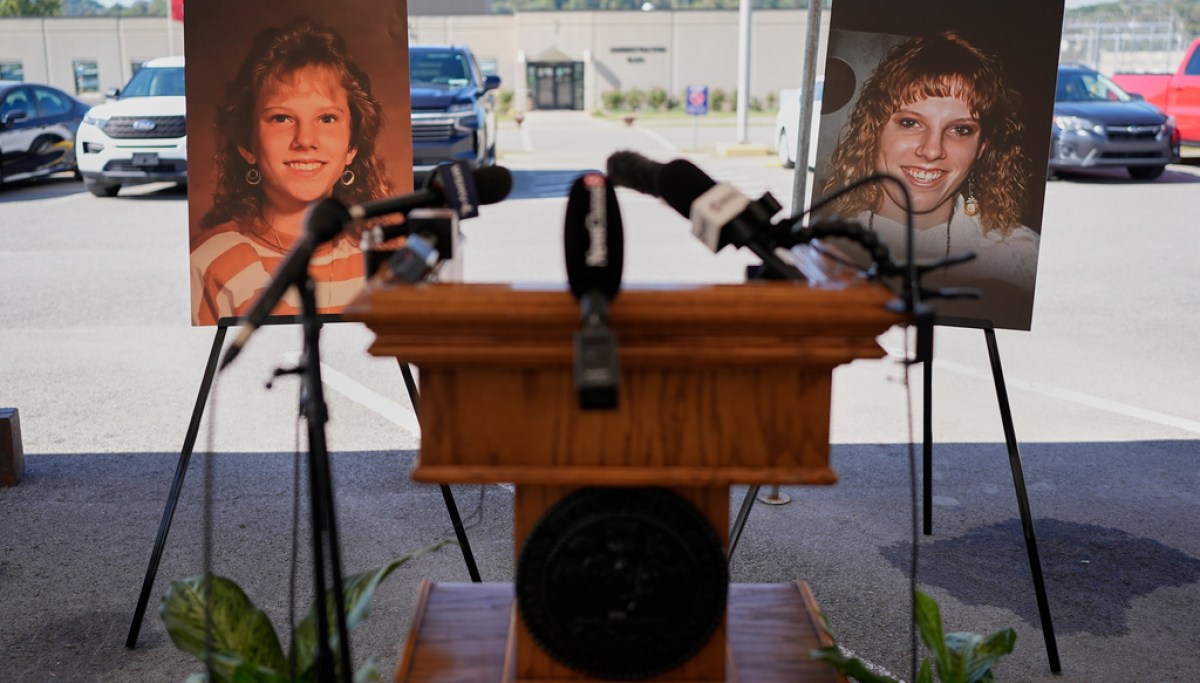
Clancy, 36, is accused of deliberately strangling her children — 5-year-old Cora, 3-year-old Dawson, and 8-month-old Callan — with exercise bands on Jan. 24, 2023, before trying to kill herself.
asserted
Clancy → explain → herself
Prosecutors allege Clancy intentionally sent her husband out of the house to pick up medicine for one of the children and dinner for the family before killing the children.
asserted
Clancy → allege → children
Her husband and first responders testified that she attempted to die by suicide immediately afterward.
asserted
she → testify → suicide
The injuries left her paralyzed from the waist down after jumping from a second-story window.
asserted
injuries → leave → window
Because the first trial ended in a mistrial due to a holdout juror, prosecutors must now decide whether to retry Clancy on first-degree murder charges, pursue lesser charges such as second-degree murder or manslaughter, or abandon the case.
asserted
prosecutors → end → case
 The Aporia