That is 0 articles you have read today.
The Aporia is free and carries no advertising, so readers are the only
thing paying for it. If you are getting this much out of it, a small
donation is what keeps it independent.
Daily limit reached
You have read 0 articles today.
That is more than the 15 a day The Aporia gives away,
and well past what it can carry on nothing. Your allowance resets at
midnight.
There is no advertising here and nothing about you is sold, so readers
are the only thing paying for it. If the site is worth this much of
your day, it is worth a few dollars.
Everything else stays open: the
maps, the
directory and
search do
not count against this, and neither does re-opening something you have
already read today.
The Supreme Court has agreed to hear a case brought by Missionaries of Saint John the Baptist, a Roman Catholic nonprofit organization in Kentucky, regarding their right to build a religious shrine dedicated to the Virgin Mary on residential property near their existing church. The church argues that federal statutes allow them to bypass local zoning laws if those laws impose a substantial burden on their religious expression. However, opponents including nearby residents and the state’s highest court argue there is no reason for federal intervention in this local zoning dispute, as the organization was aware of prohibitive zoning laws when purchasing the property.
Written locally by qwen2.5:14b on 2026-10-01,
using this article's own text rather than the other coverage of the
same event (that is the story summary below).
Story summary
The Supreme Court agreed on Thursday to hear a case involving Missionaries of St. John the Baptist, a Roman Catholic organization based in Kentucky, which seeks to build a prayer grotto behind their church. The proposed structure includes a shrine to the Virgin Mary, along with additional features like a plaza and walking path. This legal dispute centers around whether local zoning laws can prohibit religious institutions from constructing such facilities on their property without imposing a "substantial burden" on their religious expression as per RLUIPA (Religious Land Use and Institutionalized Persons Act). The church contends that the Kentucky Supreme Court misinterpreted federal statutes when it ruled against them. Senior counsel at First Liberty Institute, Ryan Gardner, asserts this case could have far-reaching implications, potentially affecting all zoning laws across the country regarding religious land use. Oral arguments before the nation's highest court are expected in the coming months.
Written for “Supreme Court Church Case” on 2026-10-07,
grounded in this article and the 1 other(s) covering the same event.
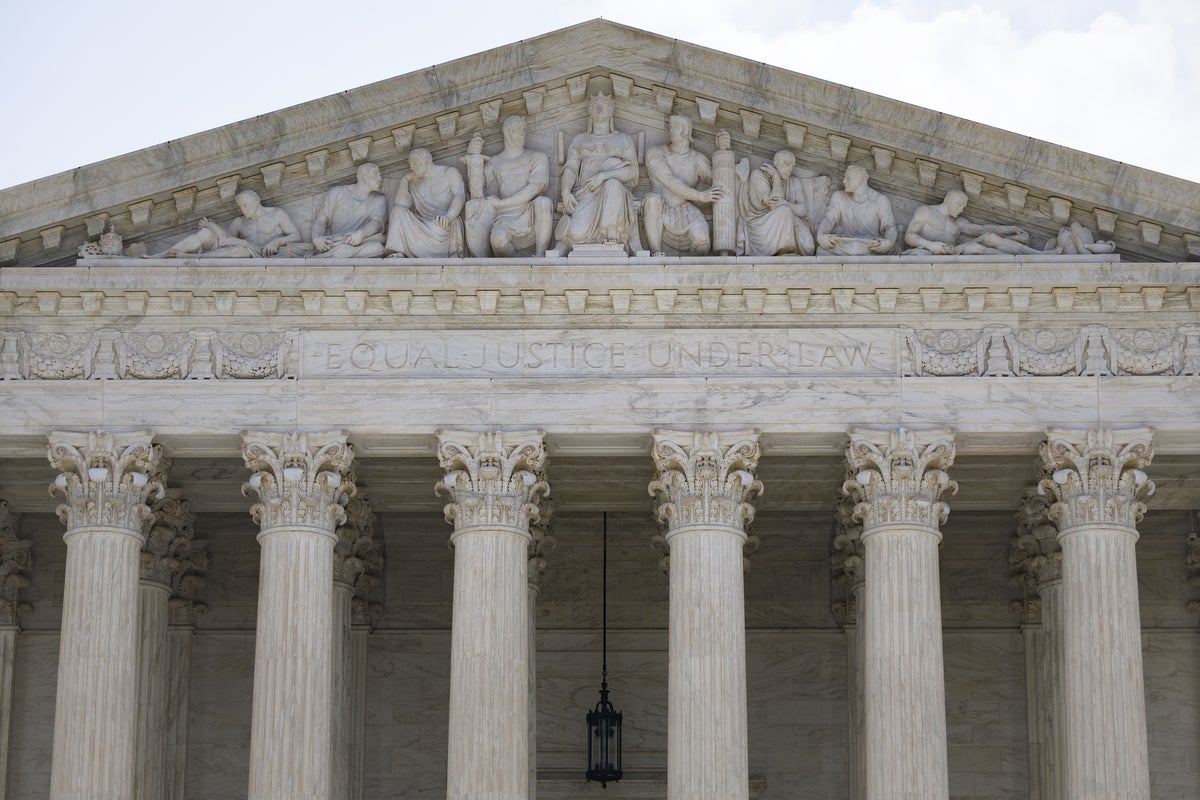
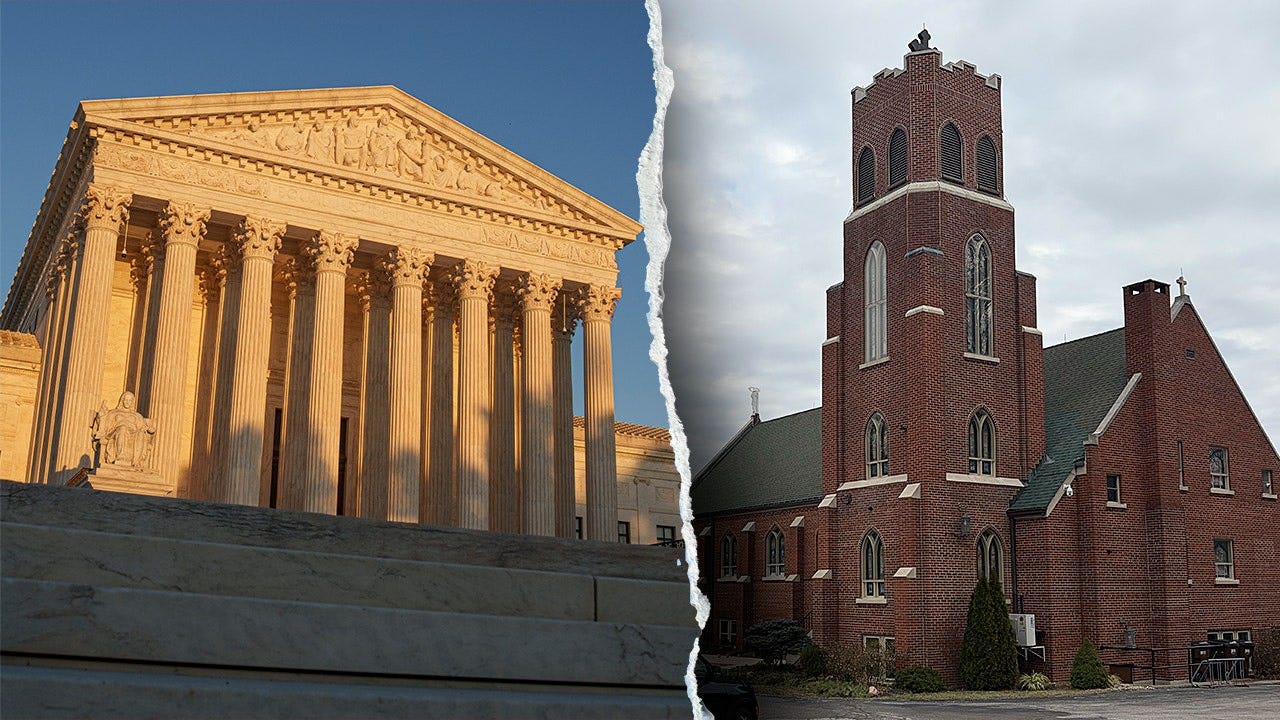
The Supreme Court agreed on Thursday to consider whether a religious institution possesses the right to construct a shrine dedicated to the Virgin Mary on residential property neighboring its Kentucky church.
asserted
institution → agree → church
The church's owner, a nonprofit organization established by Roman Catholic priests, contends that the Kentucky Supreme Court misread a federal statute when ruling against its plan to build the shrine on a residential parcel acquired specifically for the proposed development project.
asserted
Court → establish → project
The nation's highest court will listen to oral arguments in the coming months in its latest religious rights legal dispute.
asserted
court → listen → dispute
The petitioners, Missionaries of Saint John the Baptist, maintain that they are entitled to build the shrine behind their church as part of their "religious mission."
asserted
they → maintain → mission
They argue that a federal statute can, under specific conditions, prohibit local governments from enforcing land use regulations that place a "substantial burden" on their religious expression.
asserted
that → argue → expression
Last December, the state's highest court determined that a zoning board in Park Hills, Kentucky, a suburb of Cincinnati, lacked appropriate legal authority to issue a variance permitting the church owner to build on the residential tract.
asserted
board → determine → tract
The religious group contends that the Kentucky Supreme Court decision directly conflicts with U.S. Supreme Court precedent and appellate rulings.
asserted
decision → contend → precedent
"The conflict among lower courts is deeply entrenched and widely acknowledged," the group's lawyers wrote.
asserted
lawyers → entrench → courts
A nearby family, worried that the proposal would worsen neighborhood traffic, successfully contested the zoning board's ruling in state court.
asserted
proposal → worry → court
The family likewise urged the Supreme Court to reject the petition, stating there is no justification for federal intervention in a local zoning dispute.
asserted
family → urge → dispute
Opponents assert the church group knew that zoning laws prohibited building the shrine on adjacent residential land when acquiring the property.
asserted
laws → assert → property
They also argue that the group has not shown why it cannot build the shrine on church land.
asserted
it → argue → land
 The Aporia