The BBC reports that around 700 prisoners across England and Wales are being released early under a government scheme designed to reduce overcrowding in prisons. Former inmates, including Michael Bogle from Wandsworth Prison and Matthew Johnson from Leeds Prison, describe harsh conditions inside, such as overcrowded cells and insufficient support for reintegration upon release. They highlight concerns about the lack of resources available to help former prisoners adjust to life outside prison walls.
Written locally by qwen2.5:14b on 2026-10-01,
using this article's own text rather than the other coverage of the
same event (that is the story summary below).
Story summary
On Thursday, 700 prisoners were set to be released early from jails across England and Wales as part of an expanded government scheme aimed at easing prison overcrowding. The total number of early releases over the next year is estimated to reach around 5,000, down from an initial plan that would have seen 6,000 inmates freed early; this reduction came after ministers excluded rapists and serious child sex offenders from eligibility. The scheme has faced significant backlash, particularly due to concerns about victim safety, with the domestic abuse commissioner warning that survivors will "live in fear" as perpetrators are released early. Among those eligible for release are Albert Bowers and Jessie Cole, who were convicted of manslaughter in 2020 but will now be excluded from the scheme following public outcry. Prison overcrowding has worsened, with the inmate population jumping by over 1,700 in just three months to reach approximately 87,500 inmates as of late August 2024.
Written for “Prison Early Release Scheme” on 2026-10-05,
grounded in this article and the 17 other(s) covering the same event.
- Published
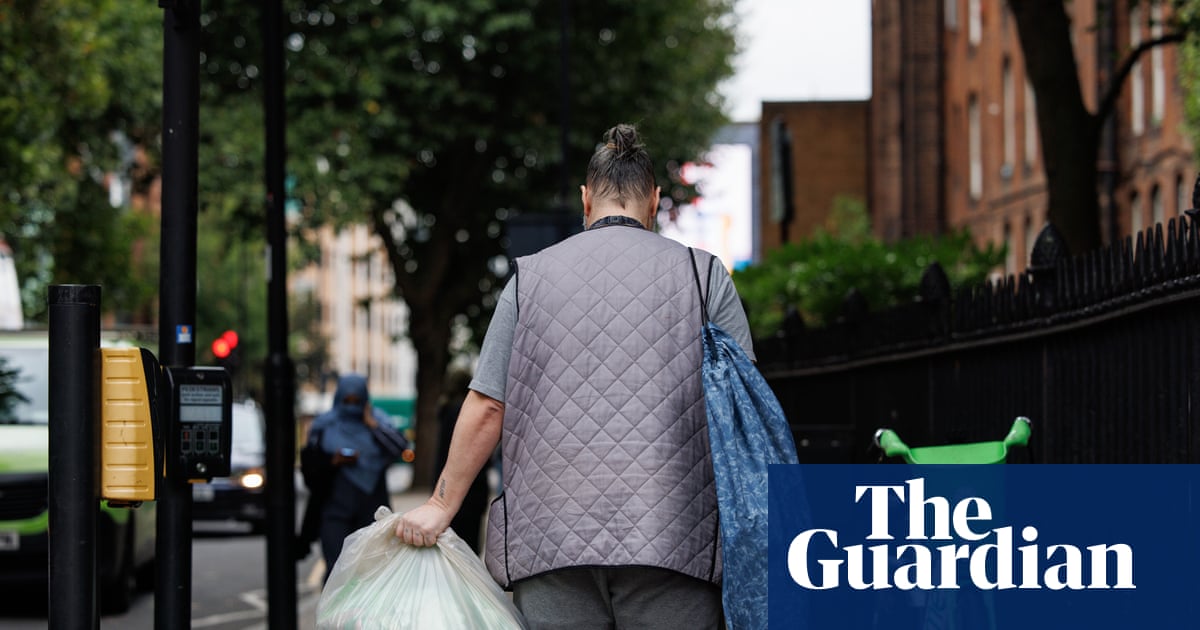
As hundreds of prisoners across England and Wales are released early under a new scheme designed to free up prison space, some of those freed have told the BBC of the "hectic" conditions they are leaving behind - and their concerns about a lack of support waiting for them outside.
asserted
they → publish → them
Around 700 offenders are expected to be freed with the first wave on Thursday, as prisoners serving sentences of up to 19 months become eligible for release after a third of their term.
asserted
prisoners → expect → term
The government has stressed they will remain subject to strict monitoring arrangements, including the expanded use of electronic tagging, and has said action was needed to prevent prisons from becoming full.
But some victims have questioned how they will be protected, while a probation worker told the BBC that managing the influx of offenders may be "just too much".
uncertain
managing → stress → offenders
Outside Wandsworth Prison in London, former bus driver Michael Bogle was adamant he would not return to the Victorian-era facility - describing the conditions as "awful".
asserted
he → return → conditions
He served 78 days for shoplifting soap detergent, and had initially been given a suspended 32-week sentence but had breached it.
asserted
He → serve → it
Bogle told reporters offenders were locked up for 23 hours a day.
asserted
offenders → tell → hours
He said he knew of one prisoner who had recently taken his own life.
asserted
who → say → life
The early release scheme should continue, he said: "It's good.
asserted
It → continue → ?
Another man released from Wandsworth on Thursday - who declined to be named and said he had been sentenced for "taking things without paying for them" - said the prison was "so crowded even the rats are complaining".
asserted
rats → release → them
Matthew Johnson, 35 also spoke of poor conditions as he expressed relief to be leaving Leeds Prison.
asserted
he → speak → Prison
He said he had been released after six months from an 18 month sentence for actual bodily harm.
asserted
he → say → harm
Asked what he would say to opponents of early release, he said: "You want to see what's inside these rooms, then you'll know.
"
asserted
you → ask → rooms
He added: "Staff are overwhelmed anyway with what they've got to cope with at the minute".
asserted
they → add → minute
Jake Sykes, 33, similarly spoke of "disgusting" conditions as he left Lincoln Prison, after being sentenced to 16 weeks in prison for shoplifting.
asserted
he → speak → shoplifting
He will be tagged, banned from going to the pub and have a curfew.
asserted
He → tag → curfew
Sykes said overcrowding inside was "bad", with prisoners sharing cells.
asserted
prisoners → say → cells
But he said the justice system's biggest problem was the lack of support for offenders after they leave prison.
asserted
they → say → prison
"The support is there whilst you're there, so you're secure, you feel safe there," he said.
asserted
he → feel → ?
"And then when you get out, there's nothing."
asserted
you → get → ?
Back in London, a man who gave his name only as David as he left HMP Brixton said he did not believe the scheme could work, because of a lack of support for inmates on the outside.
uncertain
scheme → give → outside
He feared the justice system was "setting us up to fail".
asserted
system → fear → us
"Stop sending people to prison in the first place. Help them before they get there," he said.
asserted
he → send → them
It's help I need", he added.
asserted
he → need → ?
Under the scheme, eligible prisoners will be released after serving a third of their total custodial sentence rather than after 40% or 50% of their term.
asserted
prisoners → release → term
Some 5,000 prisoners are scheduled to be released in stages over the next year, down from around 6,000 after a ministerial intervention that now means people sentenced for rape, serious child sex and grooming offences will be excluded.
asserted
people → schedule → rape
 The Aporia