The Aporia

TOI World Desk. (2026, September 5). No room to be kind: US immigration judges told to reduce time for people awaiting Green Card before being deported. Times of India. https://timesofindia.indiatimes.com/world/us/no-room-to-be-kind-us-immigration-judges-told-to-reduce-time-for-people-awaiting-green-card-before-being-deported/articleshow/133814916.cms
TOI World Desk. “No room to be kind: US immigration judges told to reduce time for people awaiting Green Card before being deported.” Times of India, 5 Sept. 2026, https://timesofindia.indiatimes.com/world/us/no-room-to-be-kind-us-immigration-judges-told-to-reduce-time-for-people-awaiting-green-card-before-being-deported/articleshow/133814916.cms.
TOI World Desk. “No room to be kind: US immigration judges told to reduce time for people awaiting Green Card before being deported.” Times of India, September 5, 2026. https://timesofindia.indiatimes.com/world/us/no-room-to-be-kind-us-immigration-judges-told-to-reduce-time-for-people-awaiting-green-card-before-being-deported/articleshow/133814916.cms.
Dated when The Aporia collected the article, usually within hours of publication. Check the original for its exact date and byline.
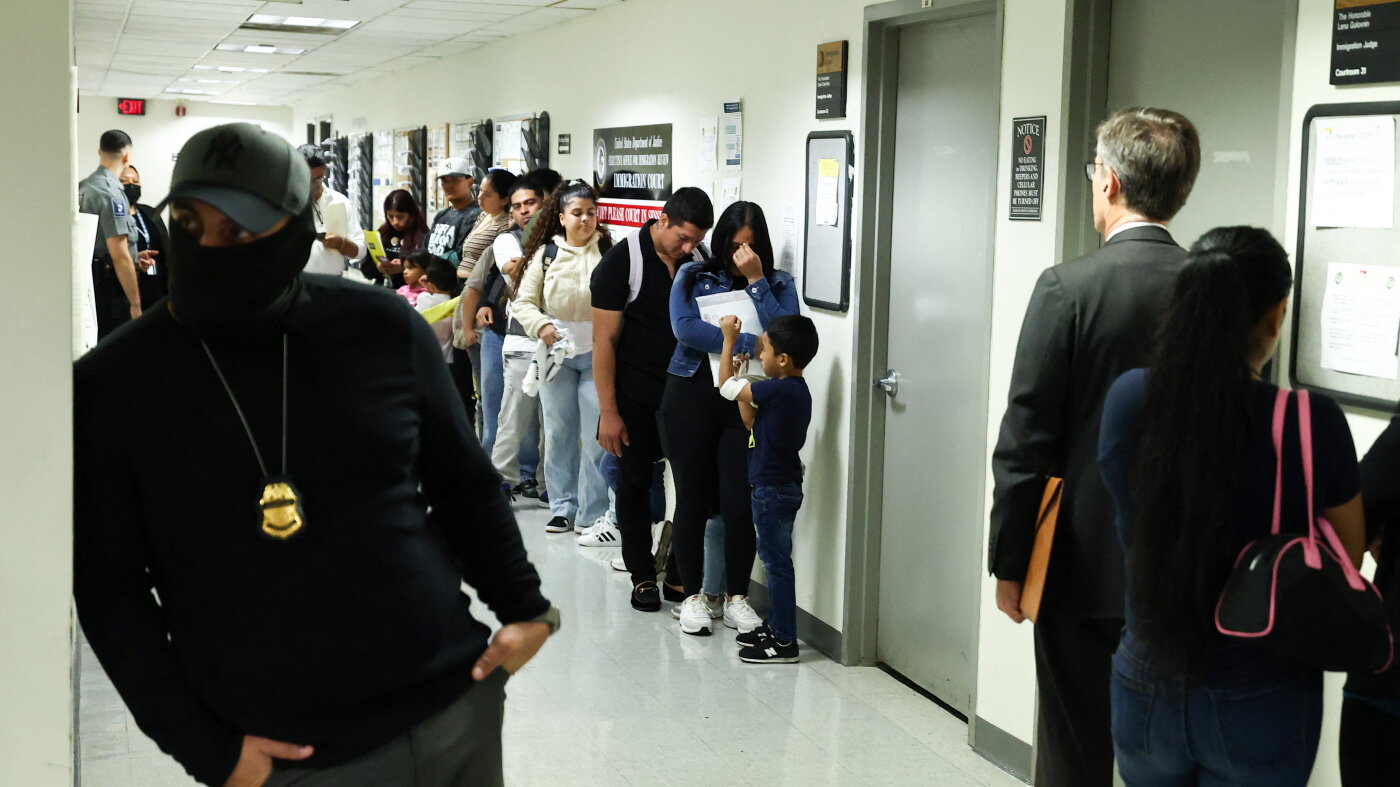
Immigration judges in the US have been instructed to be strict and deny people time as they wait for their Green Cards, according to a report by The Guardian. This means that immigrants who are awaiting approval of their applications may face deportation without being given the opportunity to resolve their cases. A mandatory training session for judges, led by Keith Hunsucker of the Board of Immigration Appeals, emphasized that there is "no room to be kind" and urged them to prioritize making people leave the US as quickly as possible. The training was reportedly aimed at reducing the immigration court backlog, but critics argue that it may instead be used to expedite deportations without giving immigrants a fair chance to resolve their cases. The judges were also told to scrutinize attorneys who accept too many immigration cases, and to threaten them with consequences if they do not comply. This has sparked concerns among immigrant rights groups and advocates, who argue that the training is part of a broader effort to restrict access to justice for immigrants in the US.