Everyone knows what happens in Carrie.
asserted
what → know → Carrie
Fifty-two years after its publication, the novel that ignited Stephen King’s career has so thoroughly engulfed the culture, you’d have to be almost as sheltered as Carietta White herself not to have absorbed its most indelible images.
asserted
you → ignite → images
The swinging bucket that has haunted every coronation of school-dance royalty in film and TV since Brian De Palma first adapted the book in 1976.
asserted
Palma → swing → 1976
It’s a tale as old as time:
asserted
It → ’ → time
Warped by her mother’s zealotry and scapegoated since childhood by her classmates, 16-year-old Carrie has a late, traumatic menarche that reactivates her latent telekinetic abilities.
asserted
that → warp → abilities
Then, after accepting a pity date to the prom, she’s crowned queen and immediately gets pig’s blood dumped on her head by a resentful bully.
asserted
blood → accept → bully
The humiliation causes her to lay waste to the school and then the town, using her powers to exact revenge.
asserted
her → cause → revenge
King’s book and De Palma’s film became classics of the horror genre.
asserted
book → become → genre
No less venerable a critic than Pauline Kael wrote of Sissy Spacek’s Oscar-nominated portrayal: “I don’t see how this performance could be any better.”
uncertain
performance → write → portrayal
Yet in the 21st century, new interpreters keep trying to improve upon it.
asserted
interpreters → try → it
With platforms scrambling to capitalize on popular IP, it’s no mystery why this would sound like a good idea to Hollywood executives.
asserted
this → scramble → executives
But something else must be inspiring high-minded filmmakers like Boys Don’t Cry director Kimberly Peirce, who released a divisive remake in 2013, to keep resurrecting Carrie.
asserted
who → inspire → Carrie
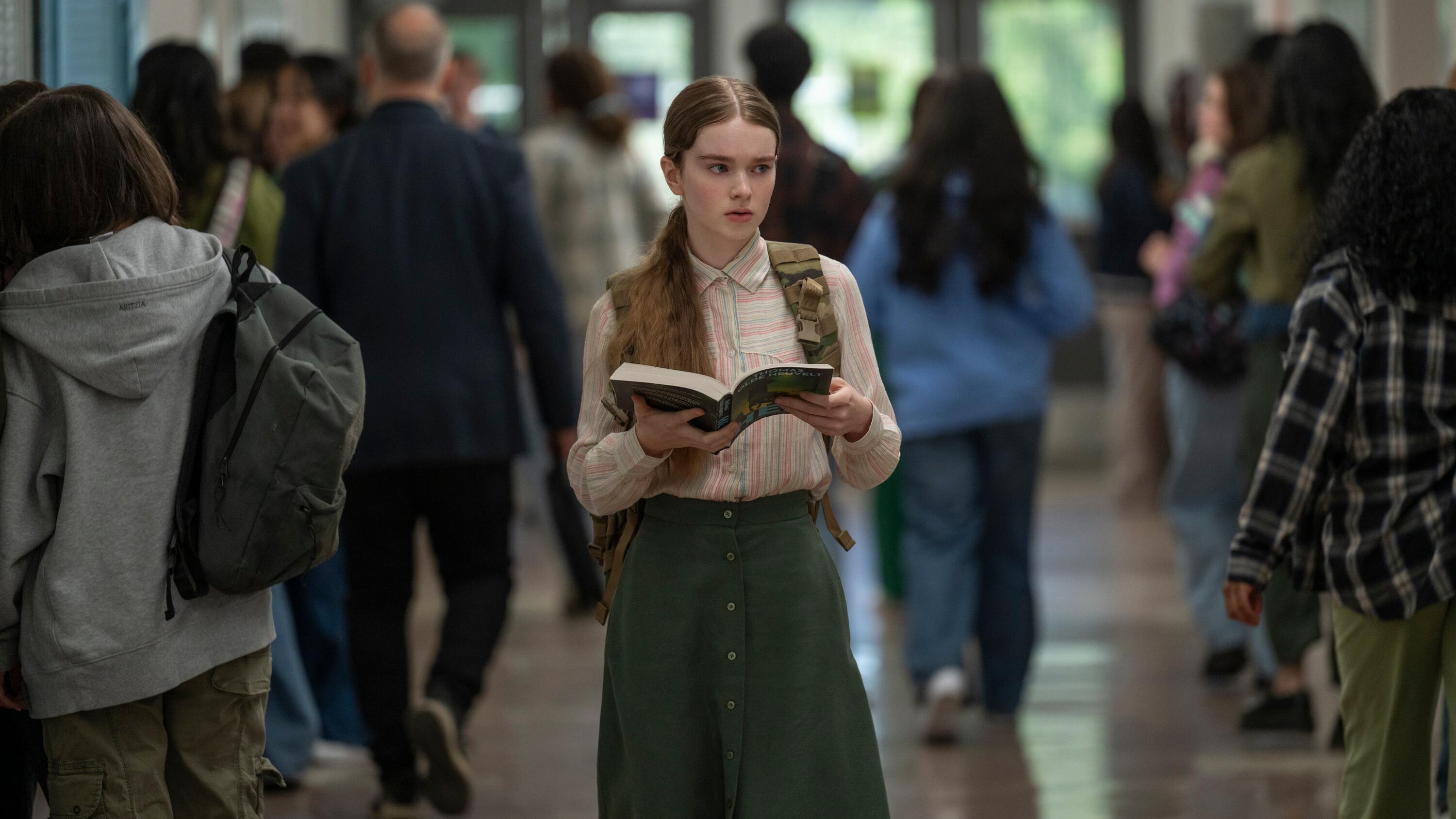
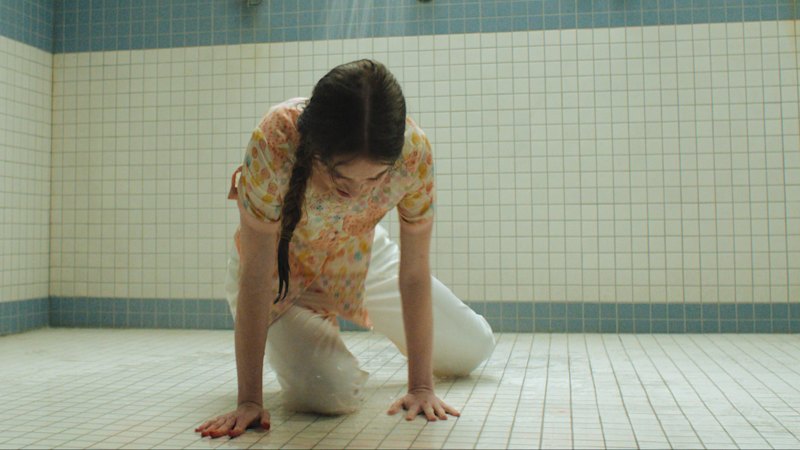
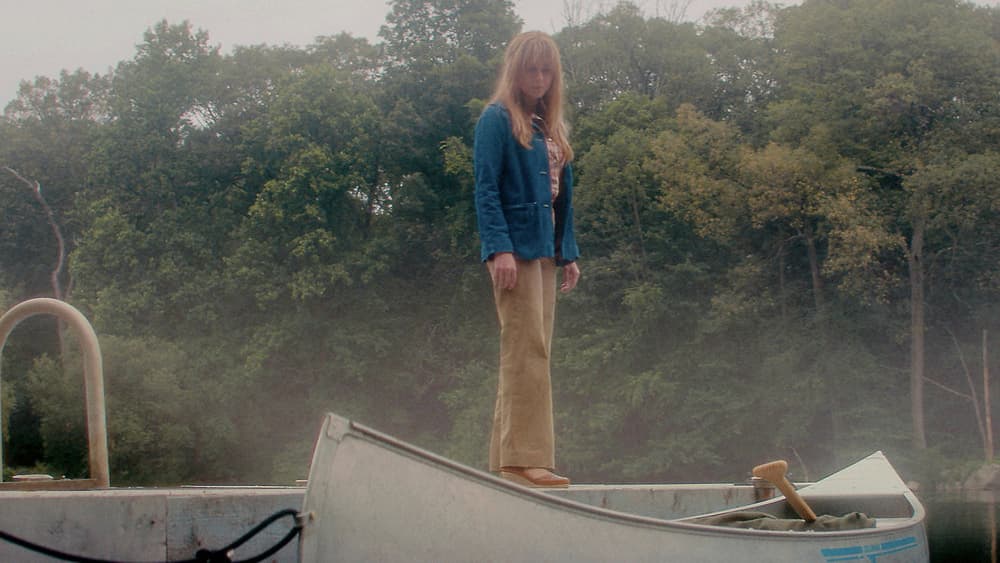
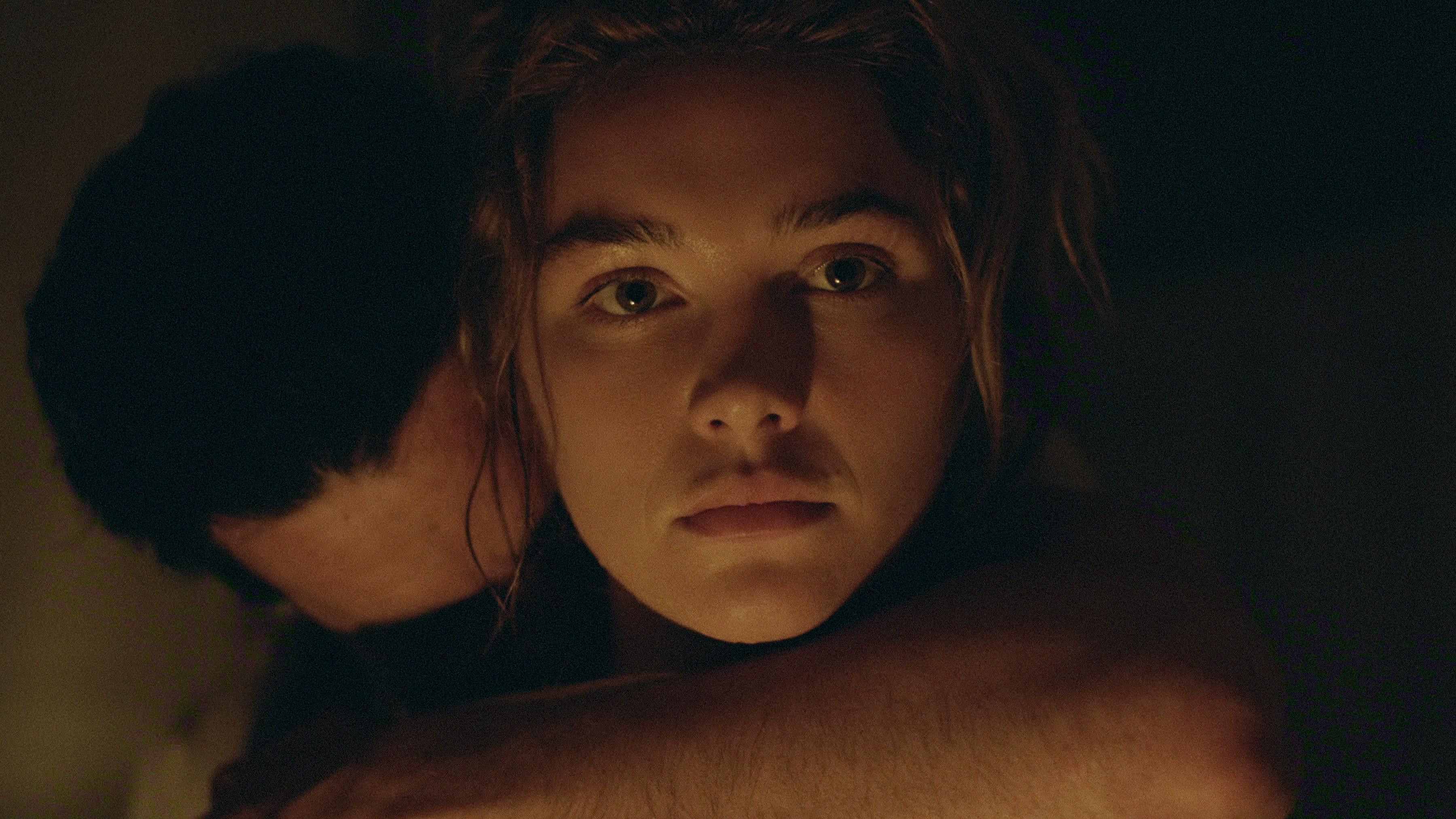
The fourth screen adaptation of the novel (unless you count the pitiful 1999 sequel, The Rage: Carrie 2) is an eight-episode Prime Video series created by Mike Flanagan, who is known both for riffing on horror touchstones in Netflix hits like The Haunting of Hill House and The Fall of the House of Usher and for his features based on King novels like Gerald’s Game and Doctor Sleep.
asserted
who → count → Game
Premiering Oct. 7, his ambitious Carrie is the first that manages to fully get out from under the shadow of De Palma’s.
asserted
that → premier → Palma
Yet it confirms a gradual shift in how the story is being told.
asserted
story → confirm → shift
What was once an account of an abusive mother and an evil bully unwittingly uniting to create a lethal monster has become, with each new incarnation, more like an indictment of society as a whole.
asserted
was → unite → whole
All three Carrie movies are mostly faithful to the novel, dutifully reproducing every major plot point and set piece, as well as a lot of dialogue.
asserted
movies → reproduce → dialogue
King’s writing is remarkably cinematic, which is probably why he’s our most adapted living author.
asserted
he → ’ → ?
De Palma, whose masterfully crafted version turns 50 in November, seems to lust after and fear the female body in equal measure—a common response within what was then a male-dominated genre to the feminist upheavals of the ’70s.
asserted
what → craft → 70s
It’s hard to imagine a contemporary adaptation pairing its opening credits with a steamy, slow-motion parade of nude high school girls in their locker room.
asserted
It → ’ → room
A 2002 made-for-TV movie written by cult creator Bryan Fuller (Hannibal) is a relic of an era when the only things teen girls loved more than low-rise denim were movies where female misfits get glow ups (She’s All That, 10 Things I Hate About You, Jawbreaker).
asserted
I → make → You
Just over a decade later, Peirce incorporated smartphones and YouTube, as well as an emerging pop-feminist sensibility that traced the derangement of Carrie’s mom, Margaret (played here by Julianne Moore), to childbirth trauma and found a palpably empowered Carrie actively choosing who to kill and who to save.
asserted
Carrie → incorporate → who
You can find support for each of these readings in King’s own reflections.
asserted
You → find → reflections
“The book is, in its more adult implications, an uneasy masculine shrinking from a future of female equality,” he wrote in his 1981 nonfiction book Danse Macabre.
asserted
he → shrink → book
“For me, Carrie White is a sadly misused teenager, an example of the sort of person whose spirit is so often broken for good in that pit of man- and woman-eaters that is your normal suburban high school.
asserted
that → misuse → eaters
But she's also Woman, feeling her powers for the first time and, like Samson, pulling down the temple on everyone in sight.”
asserted
she → feel → sight
In her influential 1992 study Men, Women, and Chain Saws: Gender in the Modern Horror Film, the scholar Carol J. Clover suggests that this tangle of intentions explains the broad and, in some ways, contradictory appeal of Carrie across genders.
uncertain
tangle → suggest → genders
Despite feeling mostly redundant, the two features released after Clover’s book shared a new emphasis.
asserted
features → feel → emphasis
De Palma’s stylish ’70s chiller played up the ghoulishness of Margaret (a bellowing, vicious Piper Laurie) and of Carrie’s chief tormentor at school, the sadistic mean girl Chris Hargensen (Nancy Allen), as well as the otherworldly oddness of Spacek’s lead.
asserted
chiller → play → lead
But Fuller’s and especially Peirce’s films sand down those characters’ excesses, revealing motivations and vulnerabilities that make them harder to hate or fear.
asserted
them → sand → motivations
(The latter faced criticism for casting the conventionally beautiful, preternaturally confident Chloë Grace Moretz in the title role.)
asserted
latter → face → role
At the same time, we see the condescending assumptions behind the actions of ostensibly heroic figures like Sue Snell, the popular girl who tries to atone for hazing Carrie by sending her boyfriend to the prom with her.
asserted
who → see → her
As the critic Matt Zoller Seitz wrote in a favorable review of the 2013 version: “The first Carrie was horror.
asserted
Carrie → write → version
If the 21st century Carrie movies spoke to a post-Columbine era of school shootings, then Flanagan’s series is a product of the Trump decade, in which seemingly every aspect of American life has fractured along bipartisan political lines.
asserted
aspect → speak → lines
The educational realm has become a crucible for debates around censorship, technology, parental rights, gun control, LGBTQ inclusion, critical race theory, the teaching of science vs. religion, social media.
asserted
realm → become → religion
Which explains how Flanagan and his creative team, which includes many female writers and directors, found in this slight story eight episodes’ worth of material.
asserted
which → explain → material
Without omitting any of the moments King fans will anticipate, they depart pretty boldly from the text.
asserted
they → omit → text
This Carrie opens with the death of Carrie’s conspiracy-theorist father (who, in previous versions, she never got to know) in a bizarre accident on his construction site.
asserted
she → open → site
Somehow, no one knows he had a wife (Flanagan regular Samantha Sloyan, locating the wounded soul of a character who’s always been more of a caricature) and daughter (a movingly fragile Summer H. Howell) until they’re found cowering at home, in the closet where they pray.
asserted
they → know → closet
The previously homeschooled Carrie is forced to enroll at the local public high school while Margaret gets a job at a soulless big-box store, where her refusal to ring up a sex toy gets her demoted to cleaning toilets.
asserted
her → homeschoole → toilets
…and 21 more, not listed.
 The Aporia