The Aporia

Zhen, L. (2026, September 5). How Asian shipyards in Japan, Korea and Philippines keep US warships battle ready. South China Morning Post. https://www.scmp.com/news/china/military/article/3366489/how-asian-shipyards-japan-korea-and-philippines-keep-us-warships-battle-ready?utm_source=rss_feed
Zhen, Liu. “How Asian shipyards in Japan, Korea and Philippines keep US warships battle ready.” South China Morning Post, 5 Sept. 2026, https://www.scmp.com/news/china/military/article/3366489/how-asian-shipyards-japan-korea-and-philippines-keep-us-warships-battle-ready?utm_source=rss_feed.
Zhen, Liu. “How Asian shipyards in Japan, Korea and Philippines keep US warships battle ready.” South China Morning Post, September 5, 2026. https://www.scmp.com/news/china/military/article/3366489/how-asian-shipyards-japan-korea-and-philippines-keep-us-warships-battle-ready?utm_source=rss_feed.
Dated when The Aporia collected the article, usually within hours of publication. Check the original for its exact date and byline.
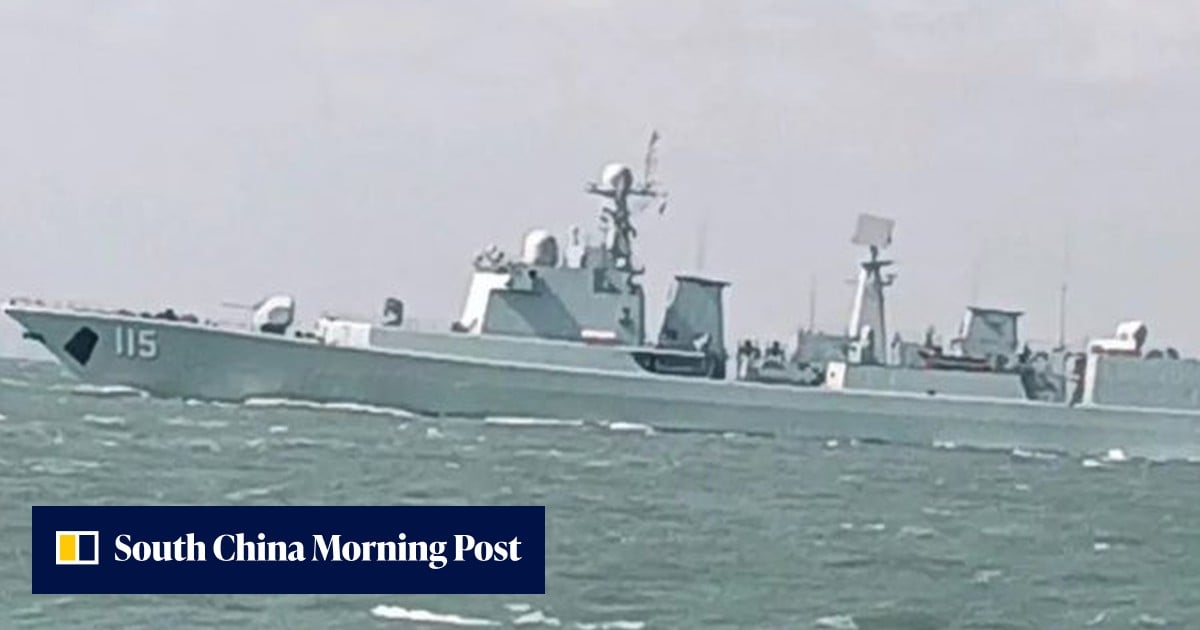
US warships are undergoing complex repairs and maintenance at Asian shipyards in Japan, Korea, and Philippines, allowing them to stay battle-ready near potential conflict zones. This strategy is a result of the decline of the US Navy's domestic shipbuilding base, which has led to a shift towards outsourcing major repair work to foreign yards. The US Seventh Fleet vessels are taking advantage of this arrangement, with some repairs completed in just 10 days, such as at the Philippine port where the warship Benfold was serviced. While US law requires warships to be built domestically, it does not prohibit receiving maintenance and repair services from foreign yards under certain conditions. This flexibility is crucial for forward-deployed vessels, especially given the strategic competition with Beijing** in the region.