The Aporia
The Aporia
The Aporia

The Straits Times. (2026, October 1). US says it conducted experiment aimed at improving ability to detect nuclear blast. The Straits Times. https://www.straitstimes.com/world/us-says-it-conducted-experiment-aimed-at-improving-ability-to-detect-nuclear-blast
The Straits Times. “US says it conducted experiment aimed at improving ability to detect nuclear blast.” The Straits Times, 1 Oct. 2026, https://www.straitstimes.com/world/us-says-it-conducted-experiment-aimed-at-improving-ability-to-detect-nuclear-blast.
The Straits Times. “US says it conducted experiment aimed at improving ability to detect nuclear blast.” The Straits Times, October 1, 2026. https://www.straitstimes.com/world/us-says-it-conducted-experiment-aimed-at-improving-ability-to-detect-nuclear-blast.
Dated when The Aporia collected the article, usually within hours of publication. Check the original for its exact date and byline.
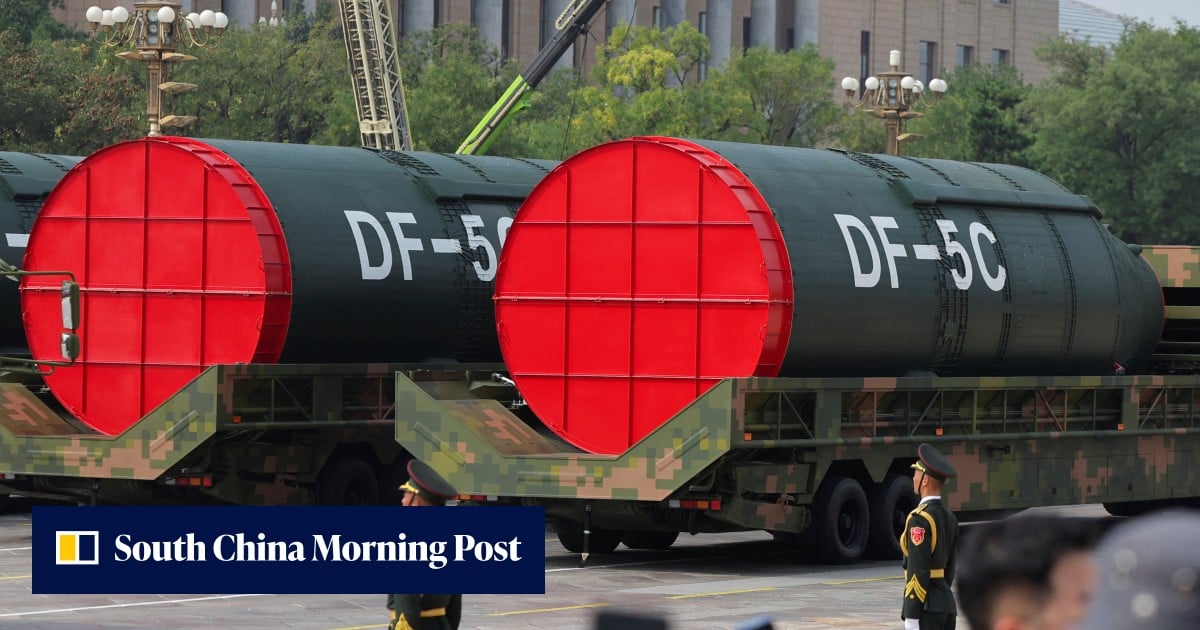
On September 30, The US National Nuclear Security Administration conducted a "subsurface, non-nuclear chemical high-explosive experiment" at the Nevada National Security Site in the P Tunnel in Area 12. The experiment used chemical high-explosives and radiotracers to simulate conditions that could mimic a decoupled nuclear explosion, which is designed to reduce seismic detection. This comes after Washington accused Beijing of conducting a secret low-yield nuclear test in June 2020, an allegation China denied, stating it was "entirely unfounded" and an attempt by the US to justify resuming its own nuclear testing. The data collected from this experiment will be used to improve detection capabilities for future potential nuclear blasts, enhancing scientific models and refining algorithms crucial for monitoring such events globally.