Claims extracted
20
sentences that state something as happening or true
Uncertain
15%
3 of 20 hedged
("reportedly", "may", "according to")
Leaning
Leans right
of the writing, not the subject · beta estimate
Publisher signals
59/100
ABC News (US)'s corrections and
hedging, across everything collected from it. Not a measure of accuracy.
Outlets on this story
2
Crime & Law
Same framing elsewhere
1
articles that frame the event the way this one does
Judge indicates Trump's pressure campaign could permanently sink Reflecting Pool vandalism case
Asked whether prosecutors were investigating Hearn, they said they weren't.
uncertain
they → indicate → Hearn
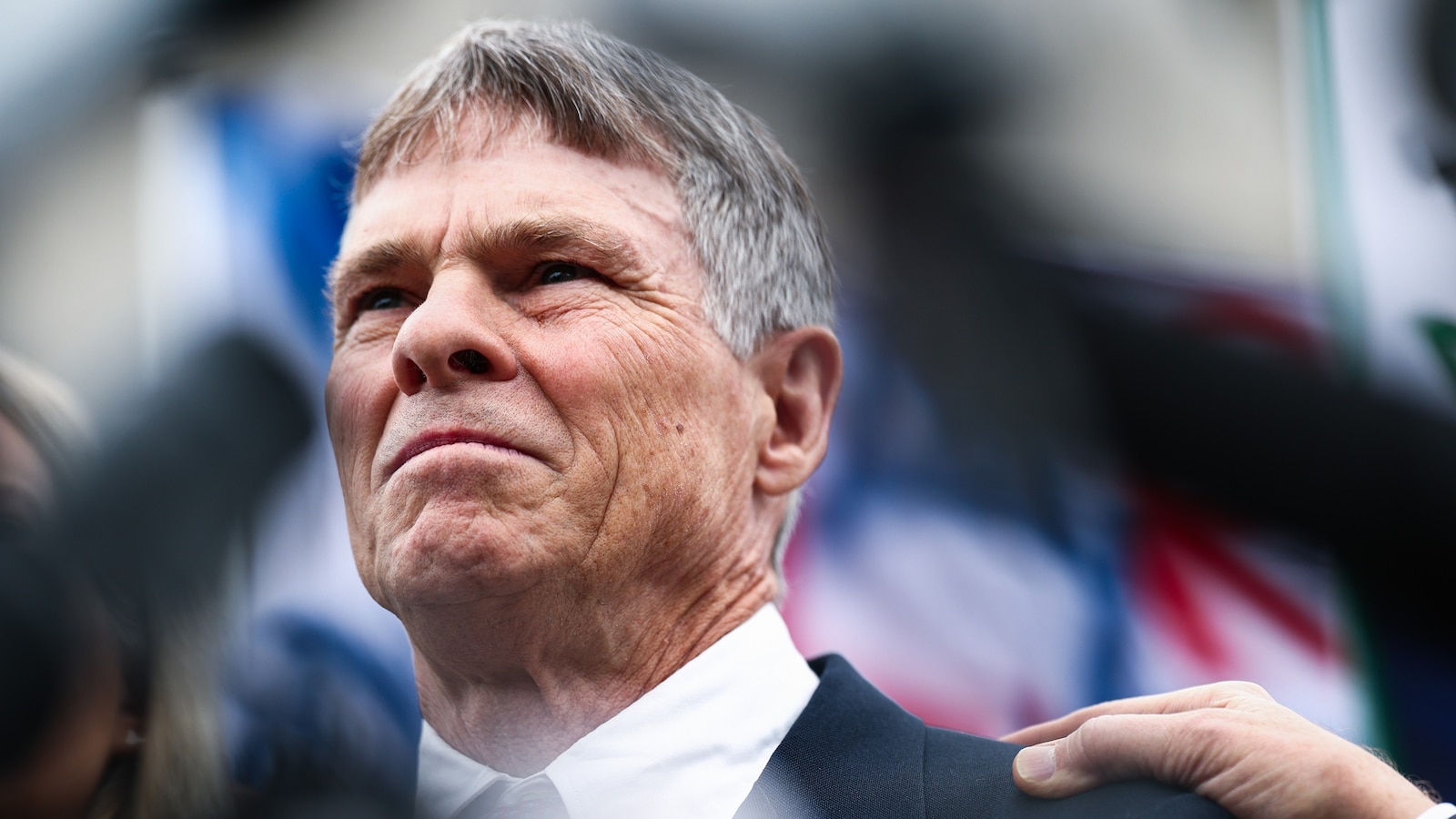
Former U.S. Olympian David Hearn and his attorneys returned to court to urge the judge who previously oversaw his Lincoln Memorial Reflecting Pool vandalism case to formally bar federal prosecutors from seeking new charges against him.
asserted
who → return → him
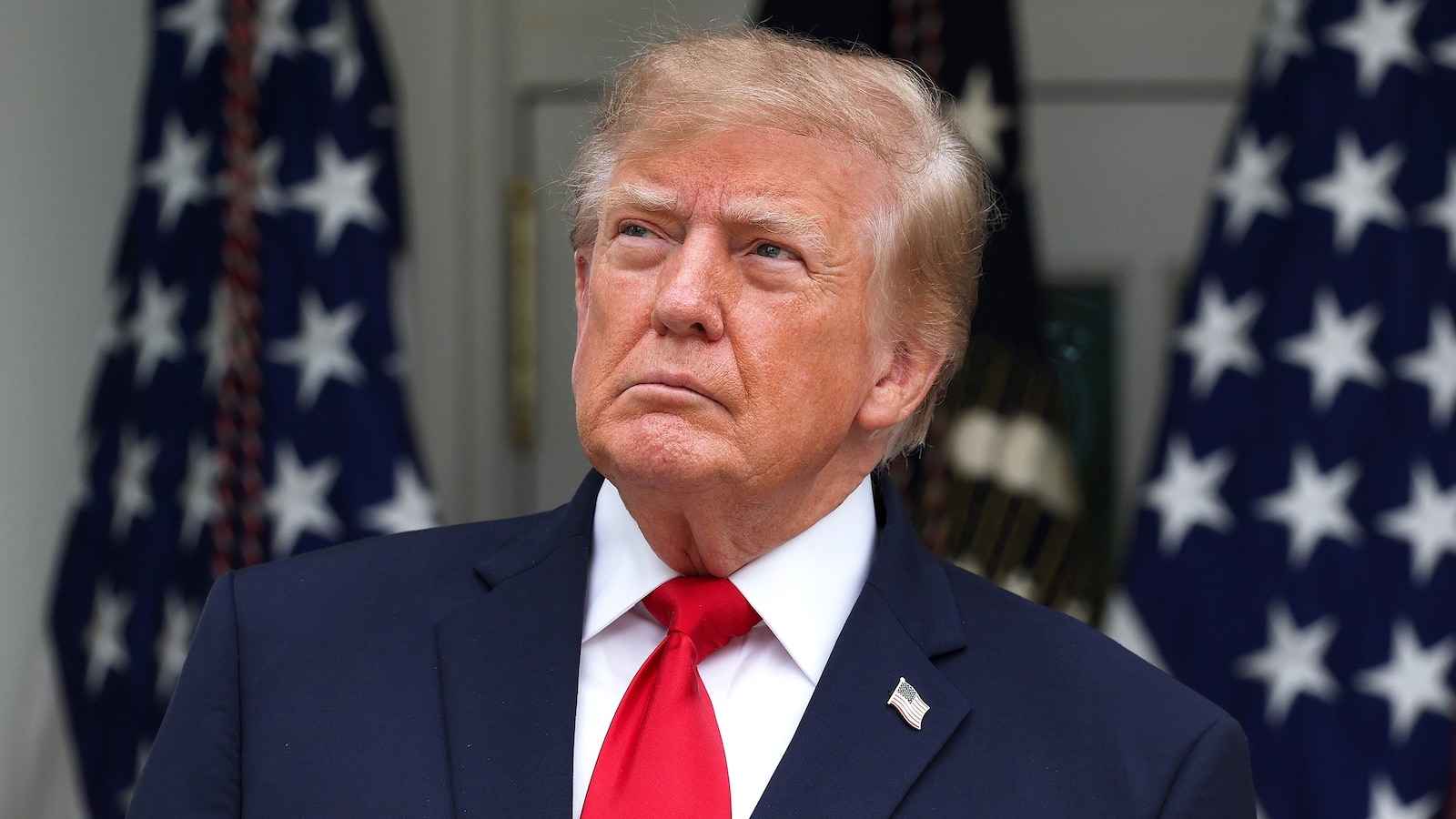
In late July, the D.C. U.S. Attorney's Office moved to dismiss the criminal case against Hearn in a filing that acknowledged damage to the Reflecting Pool "was the result of flawed installation" and not the work of vandals -- prompting outrage from President Donald Trump.
asserted
damage → move → Trump
But the motion from U.S. Attorney Jeanine Pirro asked the judge overseeing Hearn's case, Todd Edelman, to dismiss the indictment "without prejudice," which would leave the door open for prosecutors to potentially seek to re-charge Hearn.
asserted
prosecutors → ask → Hearn
Hearn's attorneys have argued a series of statements from Trump and other officials in the weeks after Pirro's motion
asserted
series → argue → weeks
that falsely accused him and others of vandalizing the pool warrants dismissal of the case "with prejudice" -- effectively shutting the door for prosecutors to charge him again.
asserted
prosecutors → accuse → him
"U.S. Attorney Jeanine Pirro should re-visit her hastily made decision [to dismiss Hearn's indictment]," Trump said in an Aug. 7 post on social media.
asserted
Trump → re → media
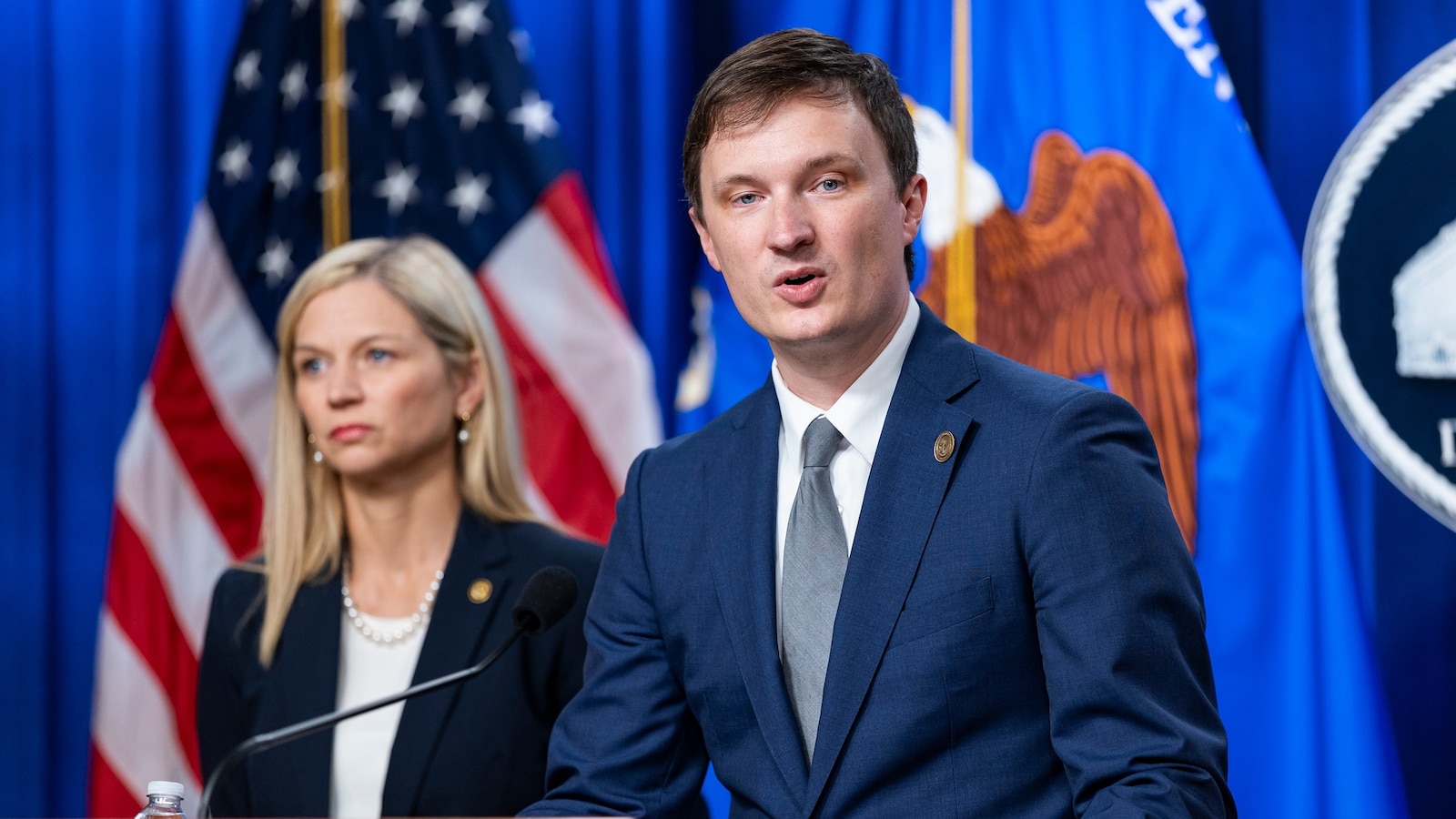
In Friday's hearing, Judge Edelman pressed an attorney from Pirro's office, Michael Spence, on why prosecutors would object to dismissing the case with prejudice when they've received no evidence thus far suggesting anything Hearn did was a crime.
asserted
Hearn → press → evidence
"I don't know what the future will bring -- none of us do," Spence answered, adding if evidence did ultimately surface, "there's no reason this court should tie the hands of a future grand jury to bring that indictment.
asserted
court → know → indictment
"
"Where is it gonna come from?" Edelman asked.
asserted
Edelman → go → Where
"That I don't know," Spence answered.
asserted
Spence → know → ?
When asked by Edelman whether prosecutors were still investigating Hearn's conduct, Spence said they were not.
asserted
they → ask → conduct
"The U.S. Attorney's Office is not, no," Spence answered.
asserted
Spence → answer → ?
At one point, Edelman zeroed in on Trump's public comments about Hearn's case and his public suggestions he might fire Pirro if she doesn't revisit her decision to drop the case.
uncertain
she → zero → case
"How do I conclude these statements as anything other than statement by the chief executive urging your office to pursue a prosecution that you have told me is meritless?" Edelman pressed.
asserted
Edelman → conclude → me
"I think, Your Honor, it's premature to even get there because there has not -- this case has been dropped.
asserted
case → think → ?
It has not been submitted to a new grand jury for an indictment," Spence replied.
asserted
Spence → submit → indictment
Spence argued that even if the government did at some point move to re-charge him, the grand jury process would serve as a kind of protection ensuring he wouldn't be charged based on no evidence.
asserted
he → argue → evidence
"How could Mr. Hearn look at this case and make that conclusion?" Edelman asked with clear skepticism, noting Hearn was previously indicted in a case the government now concedes was baseless.
uncertain
government → look → case
"We believed based on the evidence that we had at the time that we had probable cause, and the grand jury agreed that we did have probable cause," Spence answered.
asserted
Spence → believe → cause
 The Aporia