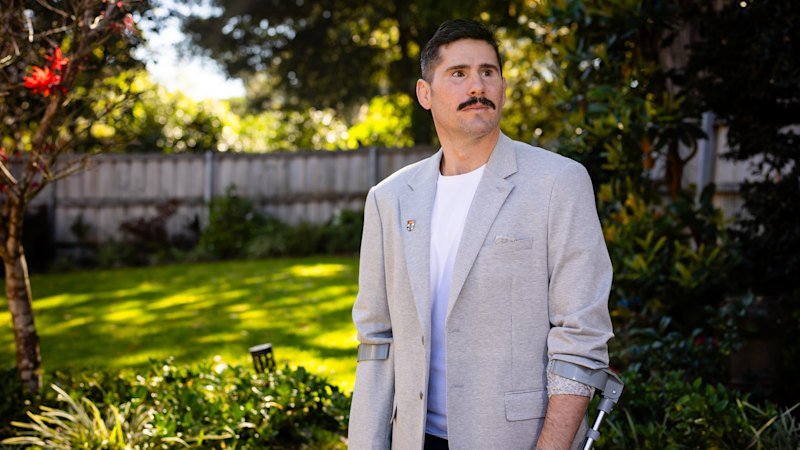
Nathan Charles’ voice breaks momentarily before he steadies himself and gets back to a lifelong routine, sizing up the next wave of adversity and figuring out how to manoeuvre.
asserted
he → break → adversity
“I find it strange – I won’t use the word funny – but it’s ironic I was born with a life-threatening illness, and gave that a red-hot crack, and now this other thing comes along,” Charles said.
asserted
Charles → find → crack
“Something else is striking me down, rather than what I’ve been dealing with my whole life.”
asserted
I → strike → what
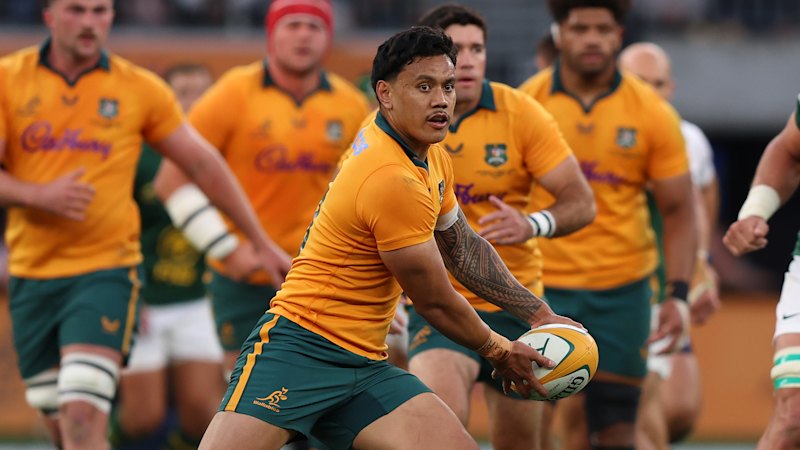
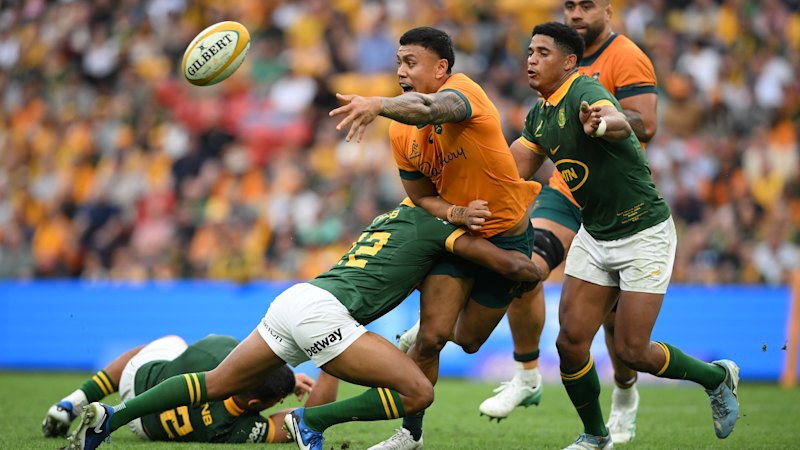
After being diagnosed with cystic fibrosis at three months of age, Charles made history by overcoming the condition and playing rugby for the Wallabies in 2014.
asserted
Charles → diagnose → 2014
He is believed to be the only cystic fibrosis sufferer in the world to ever play a contact sport professionally.
asserted
He → believe → sport
Last month, however, Charles and his family received a second devastating blow.
asserted
Charles → receive → blow
After a steady decline in his health, the 37-year-old was diagnosed with motor neurone disease, the same crippling condition NRL star Jai Arrow and former England rugby player Lewis Moody are fighting.
asserted
Arrow → diagnose → disease
MND has no cure.
asserted
MND → have → cure
“It has been extremely challenging and overwhelming, and at times quite cruel,” Charles said.
asserted
Charles → say → times
“But I’ve got a lot of great people around me.
asserted
I → get → me
It is what it is, and you’ve got to get on with it, so that’s what I’m trying to do.”
asserted
I → get → what
Charles has already had more than his fair share of difficulties in life.
asserted
Charles → have → life
After being diagnosed with cystic fibrosis – a genetic disorder that causes thick mucus to build up in the lungs and digestive system – Charles’ parents were told he may not survive past his 10th birthday.
But after a regimen of blowing up balloons as a toddler, medication and playing lots of sport, Charles thrived and became a talented footballer.
uncertain
Charles → diagnose → sport
He was chased by the Bulldogs but chose rugby, and after working his way through the ranks with Sydney Uni and the Western Force, Charles played for the Wallabies in four Tests in 2014.
He started at hooker for Australia against the All Blacks in 2014 in front of 68,000 people at Accor Stadium.
asserted
He → chase → Stadium
After a 10-year career, Charles retired in 2018 and later worked as chief executive of Rugby WA and helped run Sydney Uni rugby.
asserted
Charles → retire → rugby
In December last year, however, Charles started feeling “a bit off” at the gym.
asserted
Charles → start → gym
Medical checks showed nothing.
asserted
checks → show → nothing
“It was probably when I went to the neurologist for the first time in March and, naturally, you type in your symptoms and the first thing that comes up is MND,” Charles said.
asserted
Charles → go → symptoms
“At that point, I didn’t believe it was that, but in July, when things were getting worse, I definitely had a bad feeling in my gut.”
asserted
I → believe → gut
Charles was diagnosed with MND on September 13.
asserted
Charles → diagnose → September
“Because I felt as though this would impact them greater than it would me,” he said.
asserted
he → feel → them
“I had a bad feeling going into that appointment and my fears were realised.
asserted
fears → have → appointment
It was the people around me that I felt worst for.
asserted
I → feel → that
“My first question was, ‘How long have I got?’
asserted
I → get → ?
I really only know what you see and hear [about MND].
asserted
you → know → MND
I know that every person with MND has a different journey and path, and it affects everyone differently.
asserted
it → know → everyone
I know there’s no cure, and your physicality and body deteriorate, cutting your life short.
asserted
physicality → know → life
“I am already greatly impacted by it.
asserted
I → impact → it
I get around with mobility aids and struggle with many daily tasks.
asserted
I → get → tasks
Putting on shoes and socks is a challenge.”
asserted
Putting → put → shoes
According to MND Australia, the average life expectancy after diagnosis is two to three years.
uncertain
expectancy → accord → diagnosis
Scientists don’t know the exact cause of MND, but believe it results from a mix genetic, environmental and lifestyle factors.
asserted
it → know → factors
“As far as I know, there is no connection with CF [cystic fibrosis], it’s just absolute rotten luck,” Charles said.
asserted
Charles → know → CF
“To be fair, if I’m a person of firsts, I’m taking it to the extreme.”
asserted
I → ’m → extreme
”Nathan Charles on his MND diagnosis
Given the spate of footballers who have been diagnosed with, or died from, MND, the role of concussion in the condition is also being scrutinised.
asserted
role → give → condition
Carl Webb, Rob Burrow, Doddie Weir, Neale Daniher and Joost van der Westhuizen are among others who have died from MND.
asserted
who → die → MND
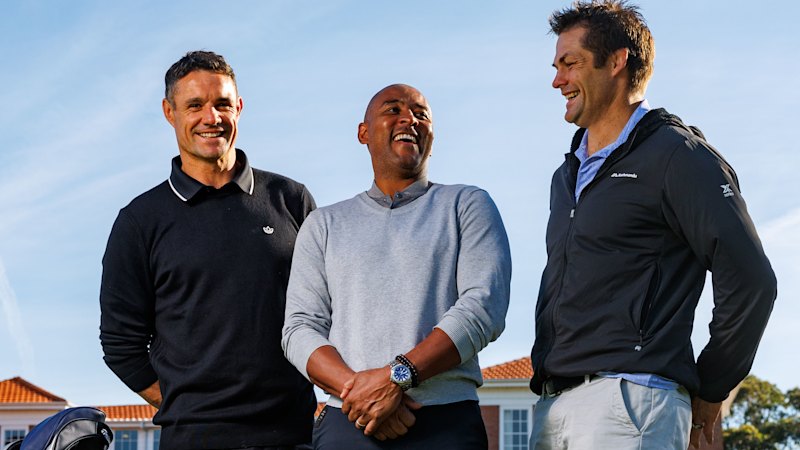
Charles says he agrees with Moody, who said in a recent interview he’d live the same life over, regardless.
asserted
he → say → life
“Even if it did [contribute], would I change what I’ve done?” he asked.
asserted
he → contribute → what
“Probably not, because rugby has given me a great life.
asserted
rugby → give → life
I’ve been able to do things that less than 1 per cent of the population have the opportunity to do.”
asserted
cent → do → opportunity
…and 11 more, not listed.
 The Aporia