The Bunny episode is certainly the Steinem anecdote most often cited, but it’s such an early story that it’s just a canary, really, hinting only a little at what would become a lifelong commitment to feminism.
asserted
what → cite → feminism
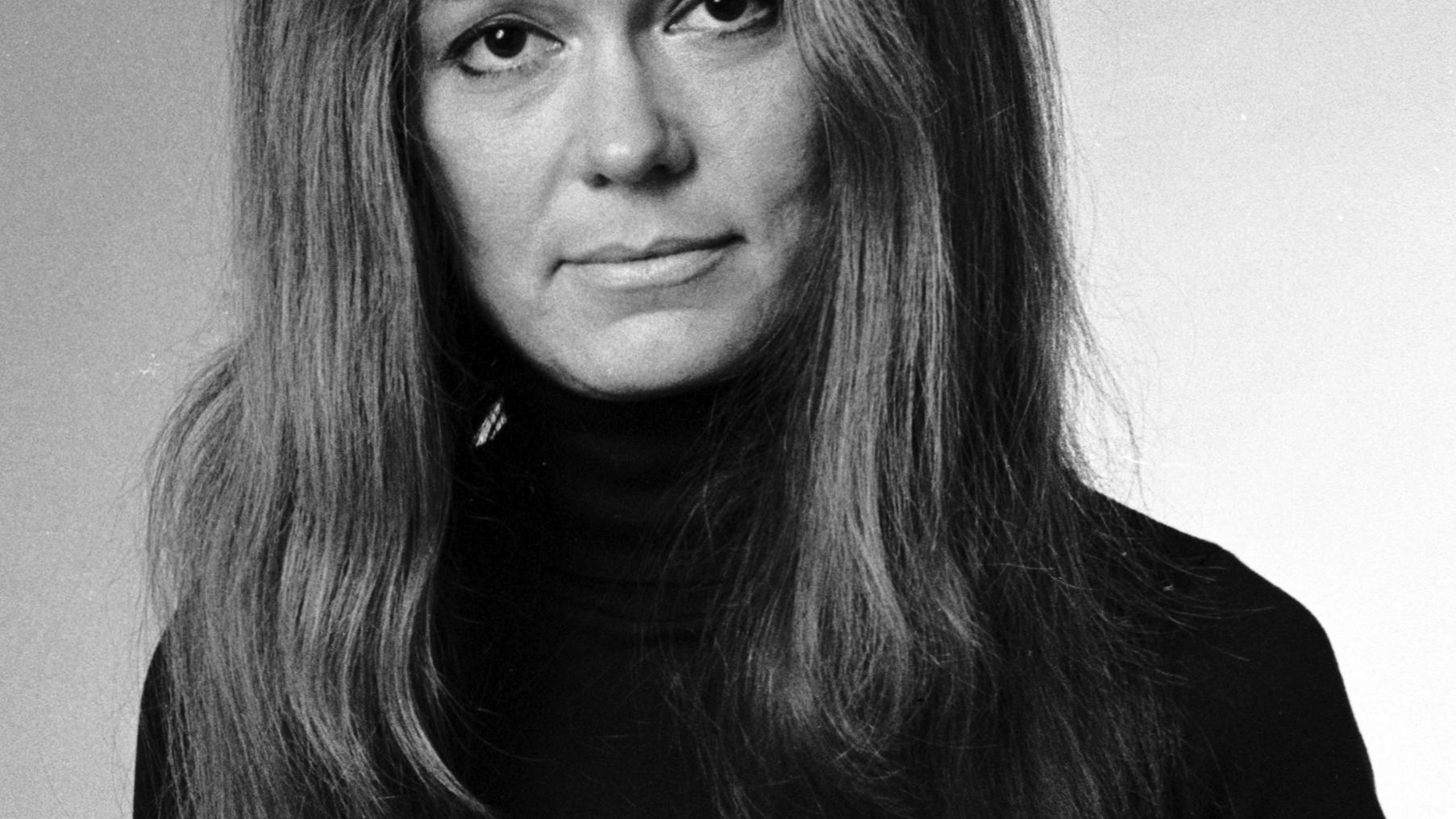
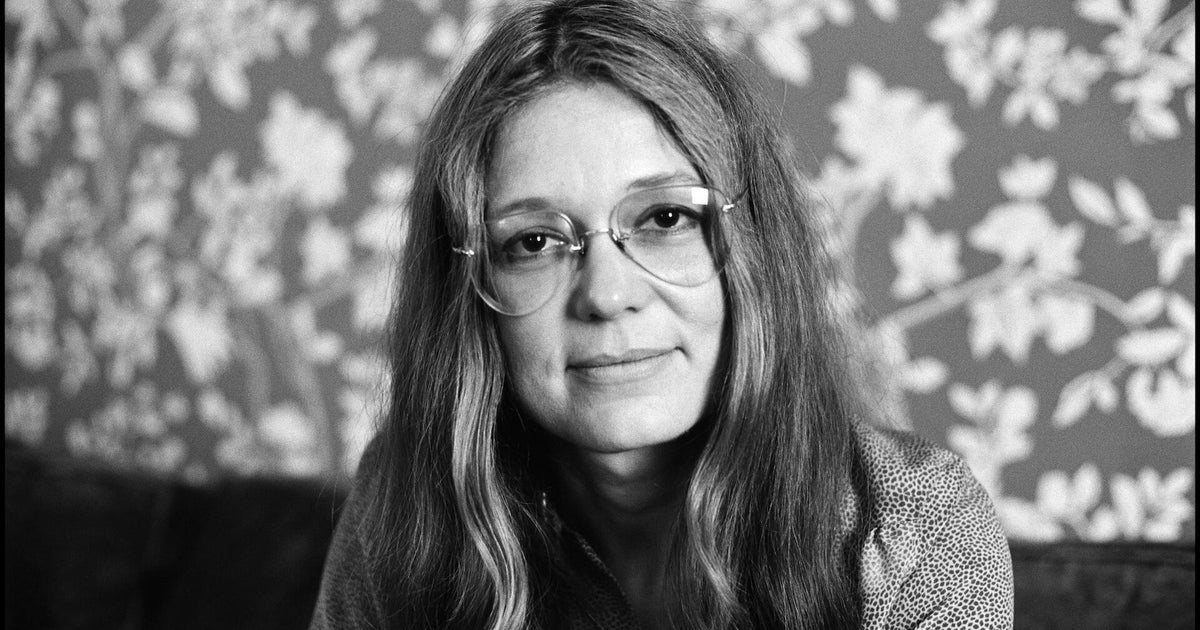
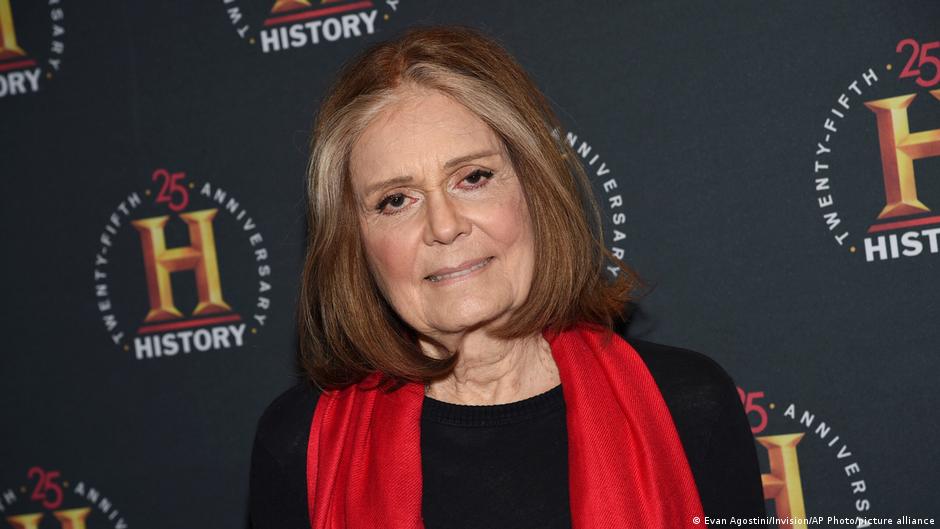
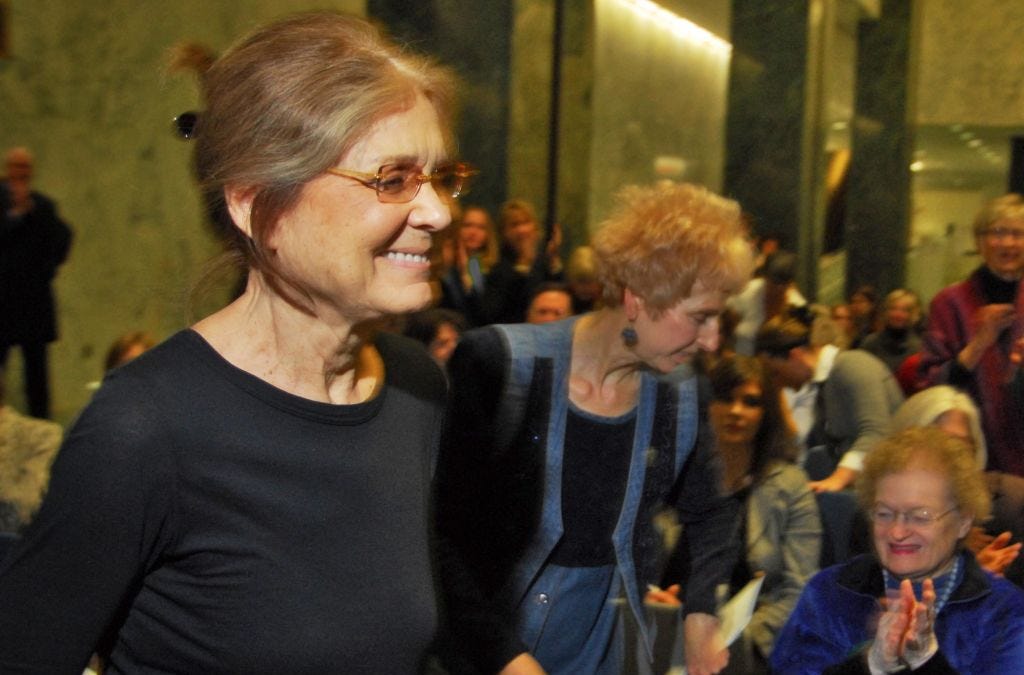
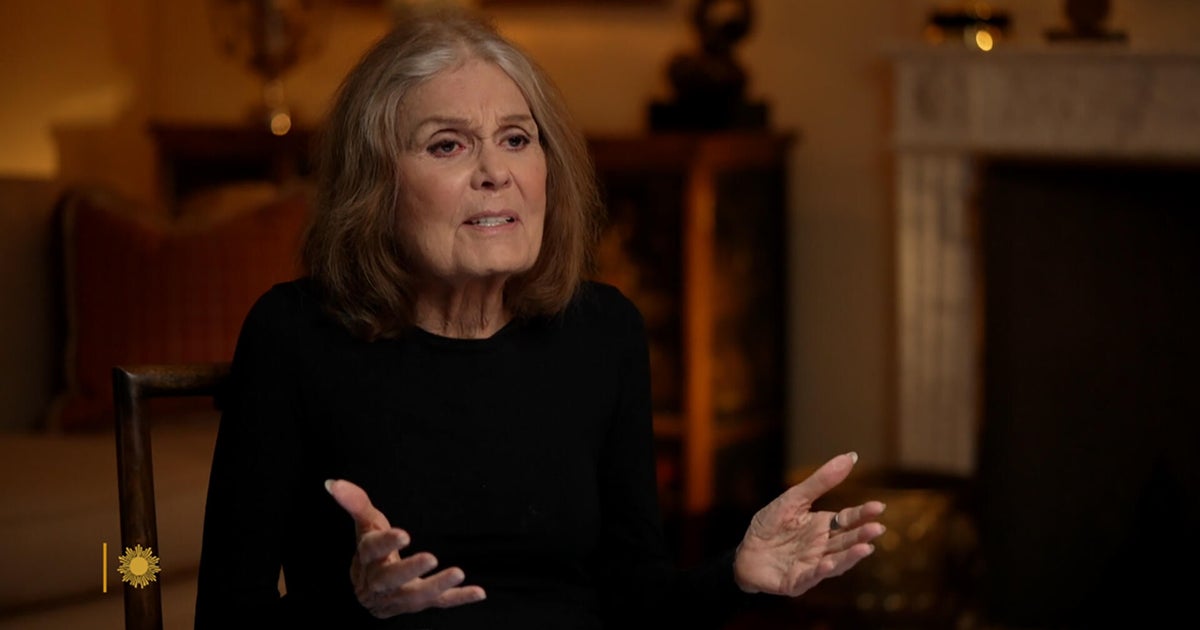
Steinem, who died Sept. 2 in her home in New York City at the age of 92, was an icon of second-wave feminism.
asserted
who → die → feminism
As one of the co-founders, in 1971, of both Ms. magazine and, along with many other feminists, the National Women’s Political Caucus, Steinem advocated fiercely and vocally on behalf of women’s rights.
asserted
Steinem → advocate → rights
She was also involved in the fight for the passage of the Equal Rights Amendment.
asserted
She → involve → Amendment
But she didn’t consider her life as an “active feminist” to have started until 1969, when in her mid-30s she attended an abortion speak-out in a church basement.
asserted
she → consider → basement
Steinem was there as a reporter for New York magazine, but found herself struck by the stories the women told, and the truths that they were willing to reveal in front of other people.
asserted
they → find → people
She had her own truth, which she came to share.
asserted
she → have → which
Some years ago, she personalized the story further, in the dedication of her 2015 book, My Life on the Road, which reads:
This book is dedicated to:
Dr. John Sharpe of London, who in 1957, a decade before physicians in England could legally perform an abortion for any reason other than the health of the woman, took the considerable risk of referring for an abortion a twenty-two-year-old American on her way to India.
Knowing only that she had broken an engagement at home to seek an unknown fate, he said, “You must promise me two things.
uncertain
You → personalize → things
First, you will not tell anyone my name.
asserted
you → tell → name
Second, you will do what you want to do with your life.”
asserted
you → do → life
Dear Dr. Sharpe, I believe you, who knew the law was unjust, would not mind if I say this so long after your death:
I’ve done the best I could with my life.
uncertain
I → believe → life
What is it that makes these words so moving?
asserted
words → make → ?
There was always something real and approachable about Steinem, visible in this dedication as well as in the interviews she gave and the speeches she delivered.
asserted
she → be → interviews
You felt you knew her, or you wished you did.
asserted
you → feel → her
You even imagined being her, just a little.
asserted
You → imagine → ?
I definitely had feelings along those lines toward Steinem.
asserted
I → have → Steinem
As a teenager I watched my own mother, a writer who hadn’t been encouraged by her parents to explore her talents fully or go to college, become truly affected by the women’s movement, publishing her first novel in her mid-40s.
asserted
who → watch → mid-40s
We subscribed to Ms., and I became part of a consciousness-raising group in school.
asserted
I → subscribe → school
Though the term "consciousness raising" can feel outdated, I still remember those conversations the other girls and I had.
asserted
girls → feel → conversations
Someone would bring over a container of Lipton’s onion dip and a bag of chips, and we would go around the room speaking about subjects that until then had been kept inside, connected with what we had thought of as privacy, but which in some instances was really shame.
asserted
which → bring → instances
Later on, I was excited to win the Ms. magazine college fiction contest; and still later the writer Mary Gordon invited me to attend Steinem’s 50th birthday party with her.
asserted
writer → win → her
In addition to being overstimulated and thrilled at seeing Steinem, I am pretty sure I also saw Carol Burnett, Sally Ride, and Rosa Parks—if that tells you anything about Steinem’s reach.
asserted
that → overstimulate → reach
Beyond that, it was so heady that I can’t tell you much of anything.
asserted
I → tell → anything
“In my old age—really old age, since I’m going to live past 100, I hope,” Steinem once said in an interview with New York magazine, “I would love to have a diner.”
asserted
I → go → diner
She envisioned it as having “blue gingham curtains” and being “by the side of the road,” and she went on to explain: “Diners are the most democratic places.
asserted
Diners → envision → road
Everyone goes—truck drivers go, people from the neighborhood, people in their tuxes after parties go…
asserted
parties → go → tuxes
And in the back room,” she said, “we could have a little revolutionary meeting from time to time.”
uncertain
we → say → time
Steinem never actually had a diner, although you could make the case that she did have a sort of symbolic one, because her life’s work involved bringing all kinds of people together to talk, often to touch on matters of radical societal change.
uncertain
work → have → change
She seemed to be everywhere, from the nightly news to a mention on The Mary Tyler Moore Show.
asserted
She → seem → Show
The warmth and genuineness of her personality, as well as her convictions, breadth of knowledge and experience, and her talents both as a writer and speaker, helped make her a reliable figure over all the decades she spent working for women’s equality.
asserted
she → make → equality
In 2013, Barack Obama presented her with a Presidential Medal of Freedom.
asserted
Obama → present → Freedom
The expression “the personal is political” easily comes to mind when thinking of Steinem, whose own origin story strongly shaped her inclination toward activism.
asserted
story → come → activism
Born on March 25, 1934 in Toledo, Ohio, Steinem lived with her mother Ruth after her parents’ divorce, becoming, at 10, the sole caretaker for her mother, who struggled with mental illness.
asserted
who → bear → illness
Feminism was in Steinem’s DNA (her father’s mother was involved with women’s suffrage and was the first woman elected to the Toledo Board of Education), but Steinem later realized that witnessing the contempt and disregard that people in power expressed toward her mother—seeing how she was treated as invisible—became a formative social justice experience for her.
asserted
she → elect → her
She took her percolating consciousness off to Smith College, the all-women’s school in Northampton, Mass., where she studied government.
asserted
she → take → government
But Smith in the 1950s, while academically rigorous, was also sometimes described by its critics as a place where students went to get their "MRS" degrees.
asserted
students → describe → degrees
This, Steinem knew, was not something she wanted for herself.
asserted
she → know → herself
As she once told People magazine, “In the 1950s, once you married you became what your husband was, so it seemed like the last choice you’d ever have.”
asserted
you → tell → choice
She added, “I’d already been the very small parent of a very big child, my mother.
asserted
I → add → child
I didn’t want to end up taking care of someone else.”
asserted
I → want → someone
…and 22 more, not listed.
 The Aporia