Claims extracted
17
sentences that state something as happening or true
Uncertain
6%
1 of 17 hedged
("reportedly", "may", "according to")
Leaning
not political
takes no side on a contested political question
Publisher signals
69/100
BBC News's corrections and
hedging, across everything collected from it. Not a measure of accuracy.
Outlets on this story
1
Entertainment
Same framing elsewhere
1
articles that frame the event the way this one does
- Published
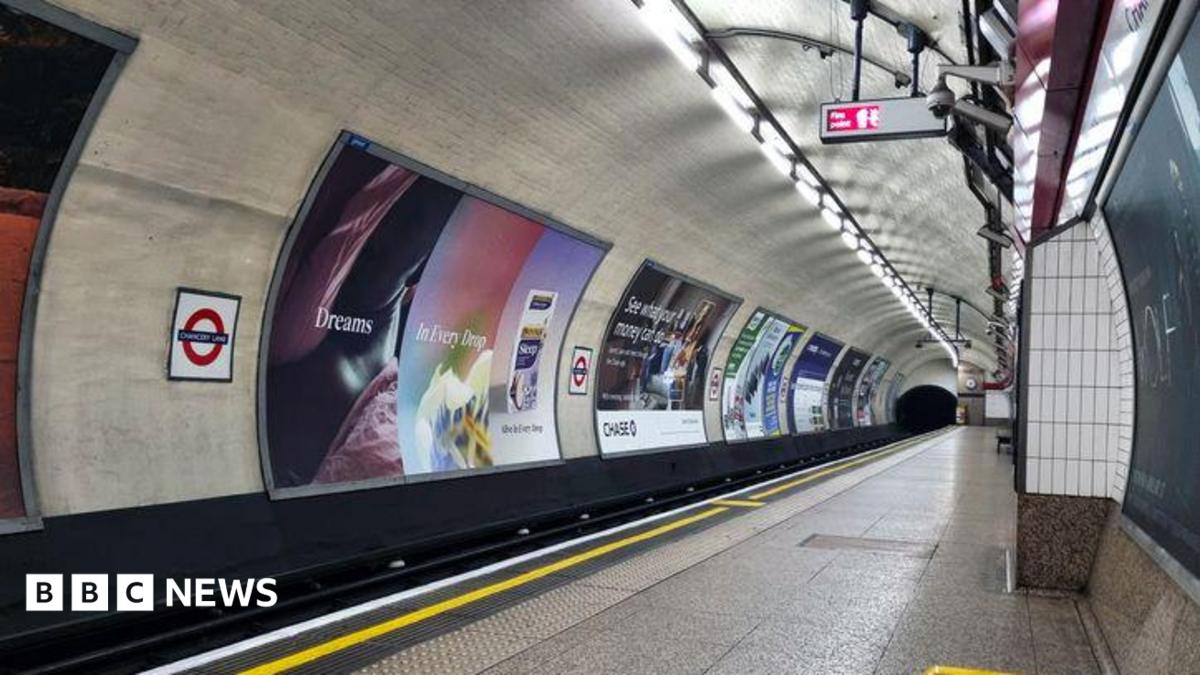
Posters for the new The Mummy film have been banned from the London Underground and other billboards after regulators said they included realistic depictions of a dead child.
asserted
they → publish → child
The Advertising Standards Authority (ASA) received 30 complaints regarding the promotional campaign for the Lee Cronin film and said the posters must not be displayed in areas where children could see them.
uncertain
children → receive → them
Many complainants argued the imagery was distressing for both children and adults.
asserted
imagery → argue → children
Warner Bros defended the campaign, stating it had been prepared with "due responsibility to consumers and society" and was not designed to create fear or offence.
asserted
it → defend → fear
The poster shows a close-up image of a female figure with a mummified appearance, sunken features and one eye swollen shut, alongside the tagline: "Some things are meant to stay buried."
asserted
things → show → tagline
The distributor explained that the character depicted was a "living mummy" who was returned to her parents as a young adult, many years after having been kidnapped as a child.
asserted
who → explain → child
It argued that the poster used a neutral facial expression while avoiding elements of violence or intimidation to reduce any risk of distress.
asserted
poster → argue → distress
Warner Bros added that the design had been cleared by Transport for London's advertising partner, Global, for display across the London Underground network.
asserted
design → add → network
However, the ASA upheld the complaints regarding the outdoor and Underground posters.
asserted
ASA → uphold → posters
The watchdog noted that the figure's grey, ashen skin, cracked lips and fixed, vacant expression combined to give a "realistic impression of a dead child".
asserted
skin → note → child
The ASA stated: "Because the figure had recognisable human features, we considered that viewers were likely to understand it as a realistic depiction of a dead child."
asserted
viewers → state → child
It added that although Warner Bros confirmed adverts were not placed within 100 metres (328ft) of any school, one billboard was directly visible from a children's nursery.
asserted
billboard → add → nursery
The regulator concluded: "We considered the image was likely to distress young children and that it was unsuitable for display where it was likely to be seen by them.
"
asserted
it → conclude → them
We therefore concluded that the ads were unsuitable for outdoor display and therefore breached the code."
asserted
ads → conclude → code
Complaints regarding television and live streaming service adverts for the film were not upheld by the regulator, as Clearcast - which pre-approves TV and streaming ads - had applied a post-19:30 scheduling restriction.
asserted
which → regard → restriction
The ASA also rejected separate complaints about posters and television adverts for another Warner Bros horror film, They Will Kill You.
asserted
They → reject → You
Around 20 complainants had argued that those adverts glamorised violence and knife crime, but the watchdog ruled the imagery was highly stylised and clearly reflected the fictional nature of the film.
asserted
imagery → argue → film
 The Aporia