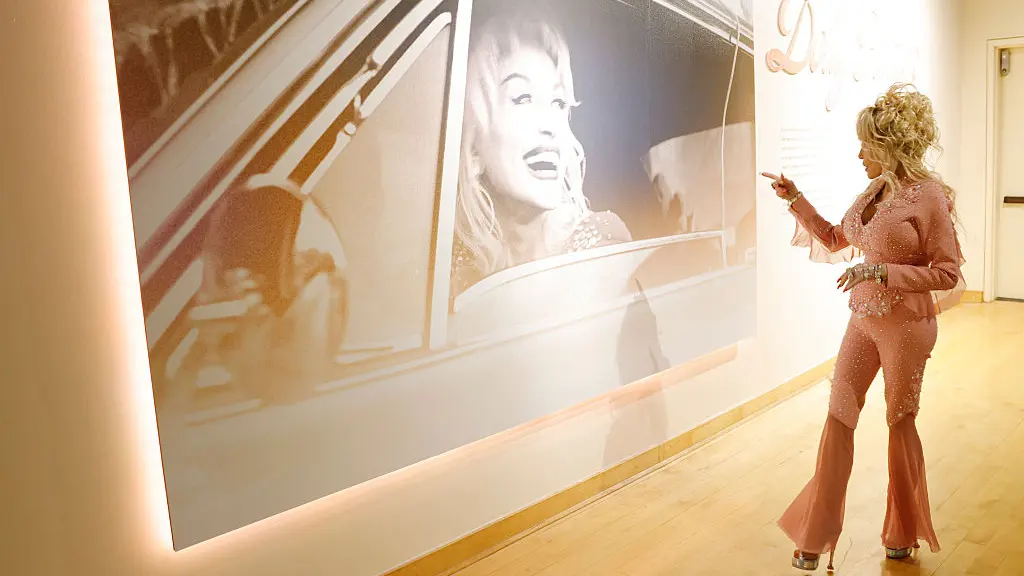
Dolly Parton did so much in her life to help others.
asserted
Parton → do → others
In her final days, I think she did one last thing that will help millions of people, if we pay attention to her warning and take action.
asserted
we → think → action
Just four days before she died, Parton said that she was being treated for health problems that she “didn’t pay attention to when I was watching over Carl.”
asserted
I → die → Carl
She was talking about the years she spent caring for her husband through a long illness.
asserted
she → talk → illness
The interview moved on to her upcoming projects, and that line went by so quickly that most people missed it.
asserted
people → move → it
As we reflect on her death, I think it was a clear wake-up call to America.
asserted
it → reflect → America
More than 60 million Americans are going through it, a 45% increase over the past decade.
asserted
Americans → go → decade
We are struggling in the shadows at great sacrifice to our own health and well-being, and caregiving rarely gets airtime as few people want to hear about it.
asserted
people → struggle → it
Even worse, hardly anyone wants to talk about it.
asserted
anyone → want → it
In my mid-30s, I suddenly became a spousal caregiver for my wife through her cancer battle.
asserted
I → become → battle
It took an enormous toll on my own health, and woke me up to the harsh realities that millions of Americans face.
asserted
millions → take → Americans
I realized that supporting caregivers is one of the biggest unmet societal needs of our time, and I decided to dedicate the rest of my life to helping caregivers.
asserted
I → realize → caregivers
I left my thriving career as a hedge fund manager to build a social impact organization CareYaya, where I’ve worked directly to help thousands of caregivers, people taking care of their spouses and their aging parents, who are caring for loved ones through serious illness, dementia or disability.
asserted
who → leave → illness
The toll that millions of us are facing is enormous and completely in the shadows.
asserted
millions → face → shadows
But with our rapidly aging population, rising rates of dementia, cancer, and serious illness, all of which place a huge caregiving burden on spouses or adult children, I think now is a critical time to talk about caregiving, before it totally breaks our society.
asserted
it → age → society
Parton’s death can be the wake-up call to change the societal narrative and bring about much-needed changes to support caregivers.
asserted
death → wake → caregivers
Parton’s own words suggest that for years, her health was going untended while she tended someone else’s, and that no one caught it.
asserted
one → suggest → it
In October 2025, when posting a video to quiet fans who had begun to worry about her health, she said that while Carl was sick and after he died, “I didn’t take care of myself,” and that she had let things slide.
asserted
things → post → myself
A few months later in March 2026, opening the season at Dollywood, she said she had gotten “worn down and worn out.”
asserted
she → open → Dollywood
And in August 2026, she said it a final time, only four days before she passed.
asserted
she → say → it
For years, one of the most famous women in America was doing the unseen and unheralded work of a caregiver.
asserted
one → do → caregiver
We have known for a quarter century that this work can literally kill the person doing it.
asserted
work → know → it
In the Caregiver Health Effects Study, published in JAMA in 1999, elderly spousal caregivers who reported strain had a four-year mortality rate 63% higher than non-caregiving spouses.
asserted
who → publish → spouses
Scientists like Janice Kiecolt-Glaser have mapped in detail the biology underneath this phenomenon.
asserted
Scientists → map → phenomenon
Give a caregiver and a matched non-caregiver an identical small wound, and the caregiver’s wound takes about nine days longer to close.
asserted
wound → give → wound
Caregivers’ immune cells show accelerated telomere erosion, the hallmark cellular signature of faster aging.
asserted
cells → show → aging
When Blue Cross Blue Shield went into its own claims database and identified 6.7 million members who were caregivers, it found that caregivers had 26% poorer overall health than a matched benchmark.
uncertain
caregivers → go → benchmark
They were 64% more likely to have high blood pressure, 37% more likely to have major depression, and 34% more likely to have anxiety.
asserted
They → have → anxiety
Among Millennials, the so-called “sandwich generation” raising their children while managing an aging parent’s illness, the rates of hypertension ran 82% higher and hospitalizations ran 59% higher.
asserted
hospitalizations → call → hypertension
The health care system can already see clearly what caregiving does to someone’s own health.
asserted
caregiving → see → health
It simply has not adjusted the way it responds to help caregivers.
asserted
it → adjust → caregivers
Even when the person they’re caring for dies, the risk does not end, as a well-documented “Widowhood Effect” shows the surviving spouse has an excess mortality of over 30% in the first three months after the passing of their loved one.
asserted
spouse → care → one
So what’s the solution?
asserted
solution → ’ → ?
We can start with making caregiving a diagnosis.
asserted
caregiving → start → ?
Let’s take high blood pressure as an example.
asserted
’s → let → example
It often causes no symptoms and does not hurt.
asserted
It → cause → symptoms
Yet we screen for it, code it, track it, and treat it anyway, simply for one reason: it reliably increases your risk of dying early.
asserted
it → screen → risk
That is the logic of preventative health care, to address the risk factor before it becomes an emergency.
asserted
it → address → factor
It elevates blood pressure, depression, and inflammation, suppresses immune response, correlates with a measurable rise in mortality.
asserted
It → elevate → mortality
And unlike most other risk factors, it is very obvious who might be affected.
uncertain
who → affect → factors
…and 20 more, not listed.
 The Aporia