That is 0 articles you have read today.
The Aporia is free and carries no advertising, so readers are the only
thing paying for it. If you are getting this much out of it, a small
donation is what keeps it independent.
Daily limit reached
You have read 0 articles today.
That is more than the 15 a day The Aporia gives away,
and well past what it can carry on nothing. Your allowance resets at
midnight.
There is no advertising here and nothing about you is sold, so readers
are the only thing paying for it. If the site is worth this much of
your day, it is worth a few dollars.
Everything else stays open: the
maps, the
directory and
search do
not count against this, and neither does re-opening something you have
already read today.
Toronto Star
· collected 2026-09-30 · by Alessia Passafiume The Canadian Press
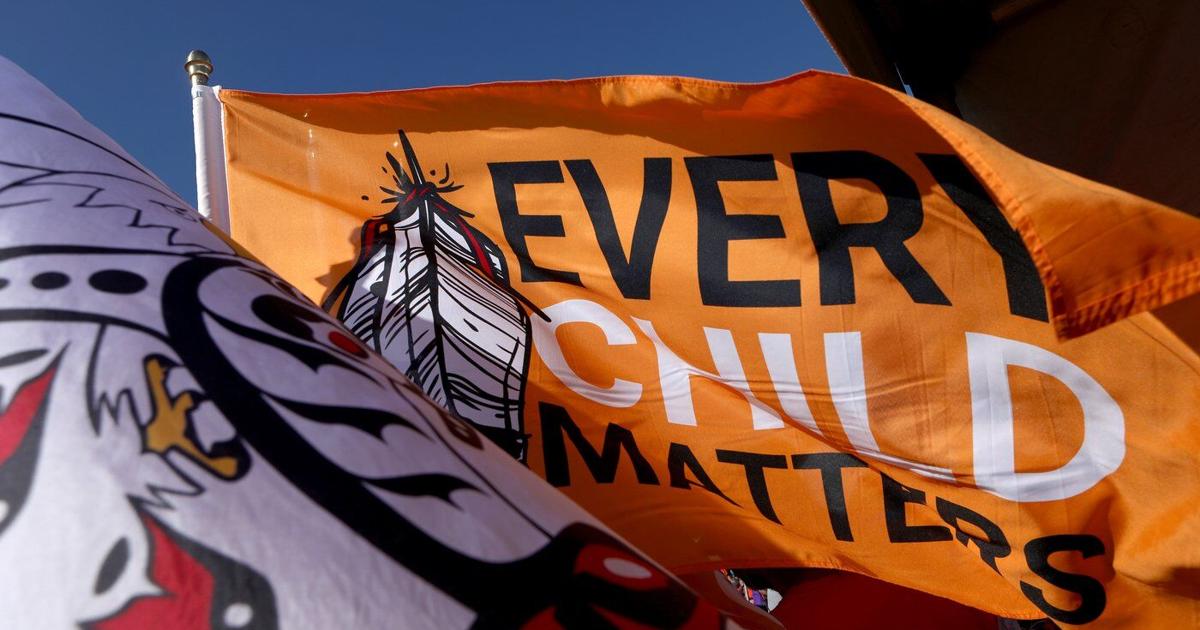
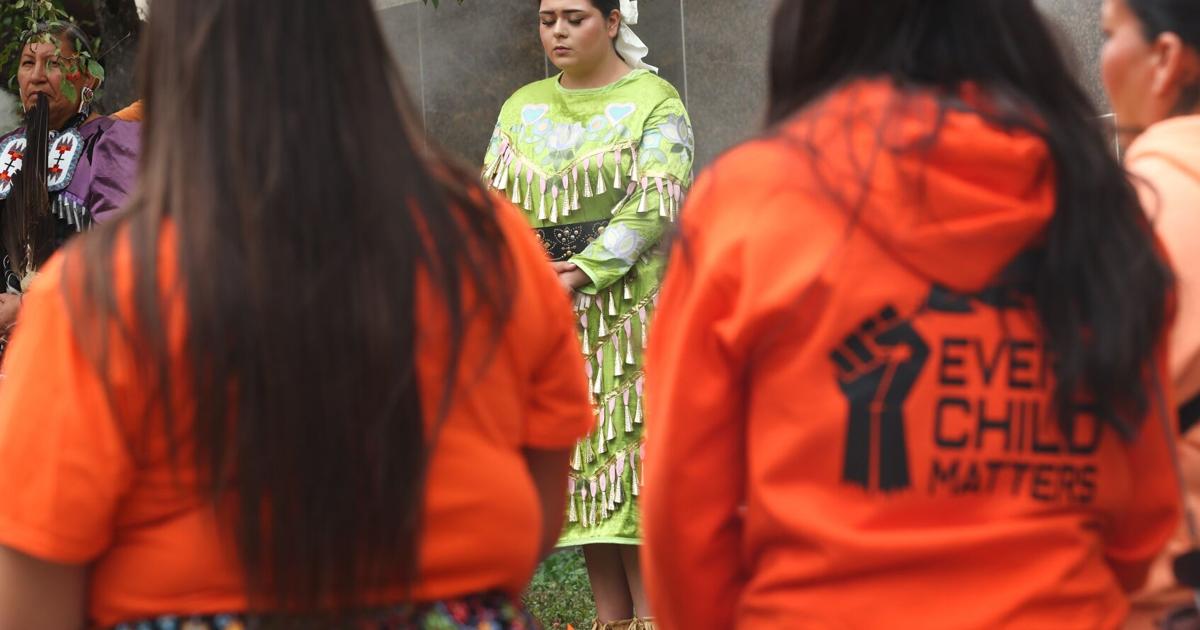
Canadians are observing the fifth National Day for Truth and Reconciliation on September 30 to honour survivors of residential schools and remember those who died. Over 150,000 Indigenous children were forced into church-run, government-funded schools between 1857 and 1996, where they suffered abuse and neglect; the actual death toll could surpass the documented 3,200 cases identified by the Truth and Reconciliation Commission. Events across Canada include a ceremony in Ottawa featuring speeches from survivors and Indigenous leaders along with musical performances, while Prime Minister Mark Carney will speak at an event in Edmonton.
Written locally by qwen2.5:14b on 2026-09-30,
using this article's own text rather than the other coverage of the
same event (that is the story summary below).
Story summary
Canadians marked the fifth annual National Day for Truth and Reconciliation on Wednesday, honouring survivors of residential schools and those who did not return home. Starting from the 19th century, over 150,000 Indigenous children were separated from their families to attend church-run, government-funded residential schools where they faced abuse, malnutrition, and inadequate healthcare.
The Truth and Reconciliation Commission's 2015 report concluded that this system was part of a state-backed policy of cultural genocide. Between 1857 and 1996, approximately 3,200 children died at these schools according to initial records; however, experts believe the actual number could be significantly higher as they continue to analyze millions of documents.
This day commemorates the efforts towards truth and reconciliation following the extensive documentation provided by the National Centre for Truth and Reconciliation.
Written for “National Day for Truth and Reconcilia…” on 2026-10-05,
grounded in this article and the 0 other(s) covering the same event.
Canadians across the country will mark the National Day for Truth and Reconciliation on Wednesday for the fifth consecutive year, honouring the survivors of residential schools and those who never made it home.
asserted
it → mark → schools
Beginning in the 19th century, more than 150,000 Indigenous children in Canada were separated from their families and communities and sent to church-run residential schools where abuse, malnutrition and inadequate health care were rampant.
The Truth and Reconciliation Commission concluded in its landmark 2015 final report that the school system was a central element of a state-backed policy of cultural genocide.
asserted
system → begin → genocide
Between 1857 and 1996, 150,000 Indigenous children were forced to attend church-run, government-funded residential schools.
asserted
children → force → schools
The Truth and Reconciliation Commission initially documented the deaths of 3,200 children at residential schools.
asserted
Commission → document → schools
However experts at the National Centre for Truth and Reconciliation — who continue to comb through millions of records — say the actual number could be much higher.
uncertain
number → continue → records
The 90-minute ceremony will feature speeches from residential school survivors, elders and Indigenous leaders.
asserted
ceremony → feature → survivors
Performances by Tia Wood, Soleil Launière, Silla and Adrian Sutherland are also scheduled.
asserted
Performances → schedule → Wood
Guests and participants are encouraged to bring a pair of children’s shoes to place at the front of the stage to honour the children who attended residential schools.
asserted
who → encourage → schools
Separate events to mark the day are taking place across the country, including in Toronto, Vancouver, Calgary and Iqaluit.
asserted
events → mark → Toronto
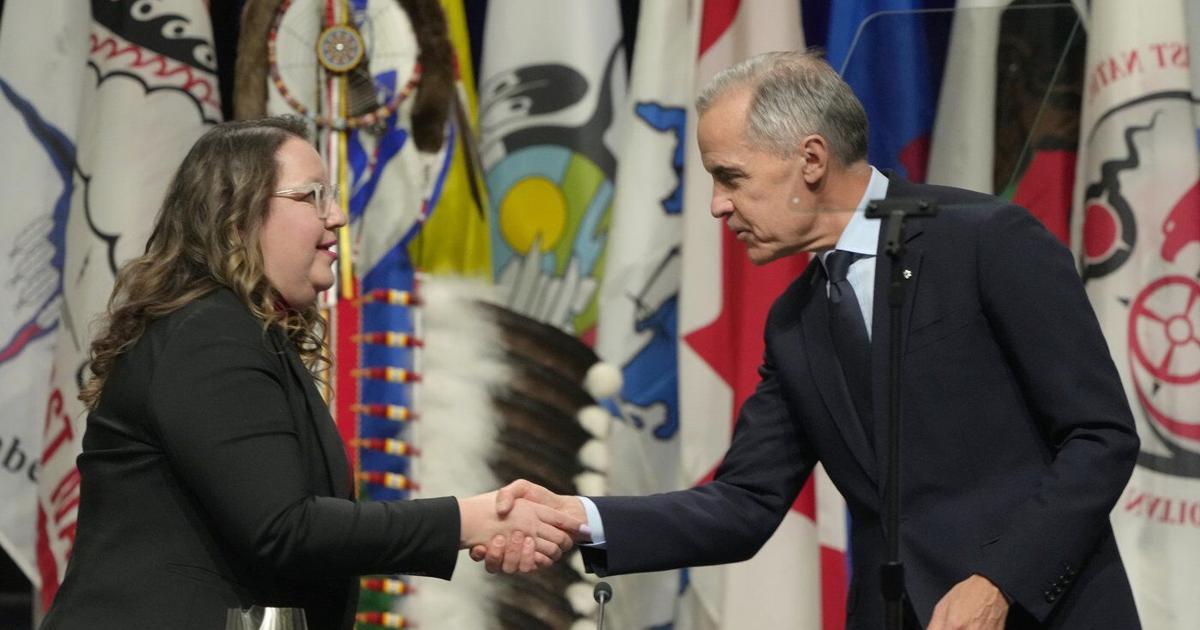
Prime Minister Mark Carney is scheduled to speak at an event in Edmonton.
asserted
Carney → schedule → Edmonton
“On this day, we gather to honour every child taken by the residential school system and to stand in solidarity with those who survived it.
asserted
who → gather → it
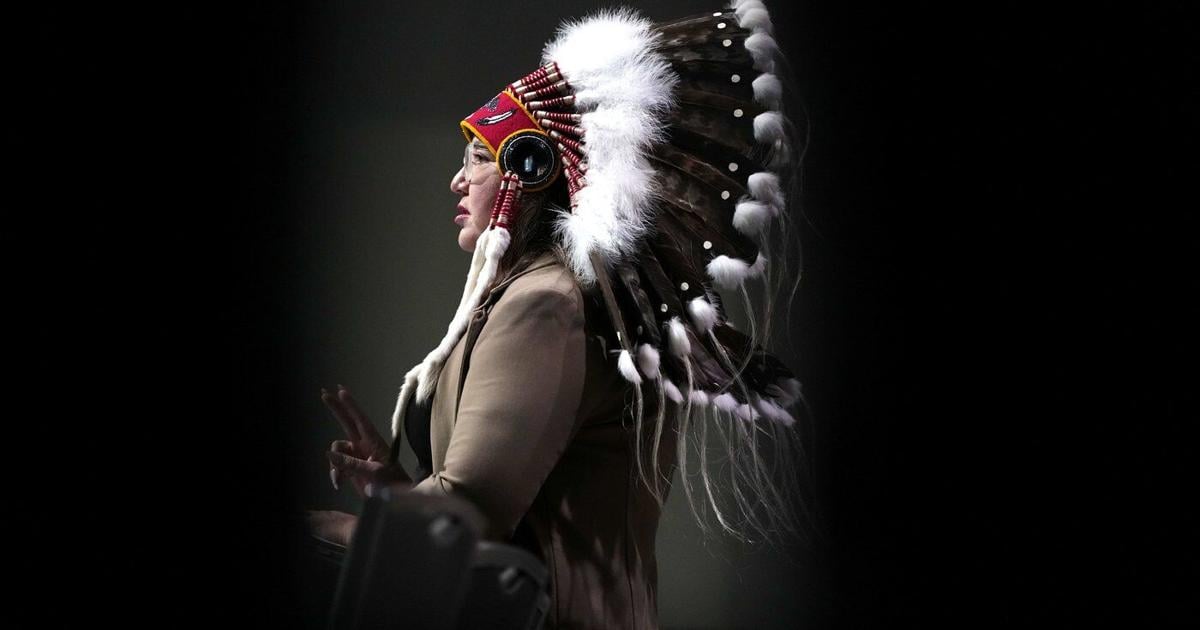
As denialist voices seek to distort the past, our collective responsibility to uphold the truth is more important than ever,” said Stephanie Scott, the executive director of the National Centre for Truth and Reconciliation.
asserted
Scott → seek → Truth
“Honouring these children means facing our history with unwavering honesty and ensuring that ‘Never Again’ is not just a phrase, but a binding commitment backed by meaningful action.”
asserted
Again → honour → action
Canadian Heritage Minister Marc Miller said the day is an opportunity for non-Indigenous and Indigenous Peoples to come together and reflect on the legacy of residential schools.
asserted
Peoples → say → schools
“Reconciliation is a responsibility we all share, and by connecting with each other and our history, we can help build a future grounded in understanding, respect and hope.”
asserted
we → share → understanding
This report by The Canadian Press was first published Sept. 30, 2026.
asserted
report → publish → Press
 The Aporia