Britain is 'walking into a second significant energy crisis', an energy boss warned today as experts predicted bills are set to soar by 16 per cent in January.
asserted
bills → walk → January
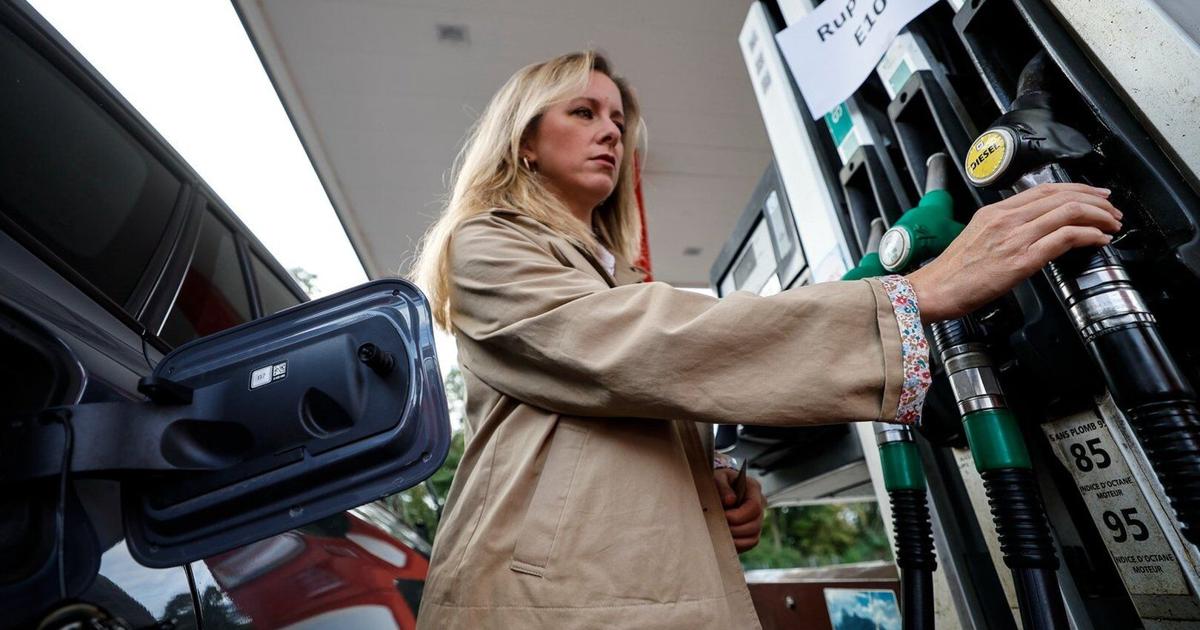
Simone Rossi, chief executive of supplier EDF Energy, believes the price of petrol, diesel and gas will increase because of 'geopolitical forces that we do not control'.
asserted
we → believe → that
He said the next energy crisis would follow the last one in 2022 when demand surged after the pandemic and supplies were disrupted by Russia's invasion of Ukraine.
asserted
supplies → say → Ukraine
More than four million homes in the UK who remain on a standard energy tariff are to see their bills rise from tomorrow when Ofgem's price cap increases by 4 per cent.
asserted
cap → remain → cent
But Cornwall Insight released a new forecast this morning which suggests a much bigger jump is on the way next year – with the price cap set to rise by 16 per cent.
uncertain
cap → release → cent
This means bills for Brits would reach £1,999 a year for a typical dual-fuel household in January 2027, an increase of £276 and the largest rise since January 2023.
asserted
bills → mean → January
Its experts said this increase is largely driven by the US-Iran war, which continues to disrupt gas supplies to the UK and abroad – and has resulted in a knock-on effect where EU gas storage stocks are now at their lowest September levels in 15 years.
asserted
stocks → say → years
EU storage facilities were 65 per cent full at the start of this month, far below average for this time of year – which is also raising concerns over supply resilience this winter.
asserted
which → raise → resilience
Mr Rossi told the BBC's Big Boss Interview podcast: 'We are actually walking into a second significant energy crisis after the one we experienced just four years ago.'
asserted
we → tell → one
Simone Rossi, chief executive of supplier EDF Energy, has warned of a 'second energy crisis'
asserted
Rossi → warn → crisis
He said EDF was 'a bit concerned about it, as this is unfortunately to a great extent the result of geopolitical forces that we do not control really'.
asserted
we → say → that
Mr Rossi added: 'Major wars affecting the two biggest suppliers of gas – Russia and Qatar – at the same time is almost unthinkable.
'
asserted
wars → add → time
The good news is that we think we will have the energy we need; the bad news is that it's going to be much more expensive – particularly for petrol, diesel and gas.'
asserted
it → think → petrol
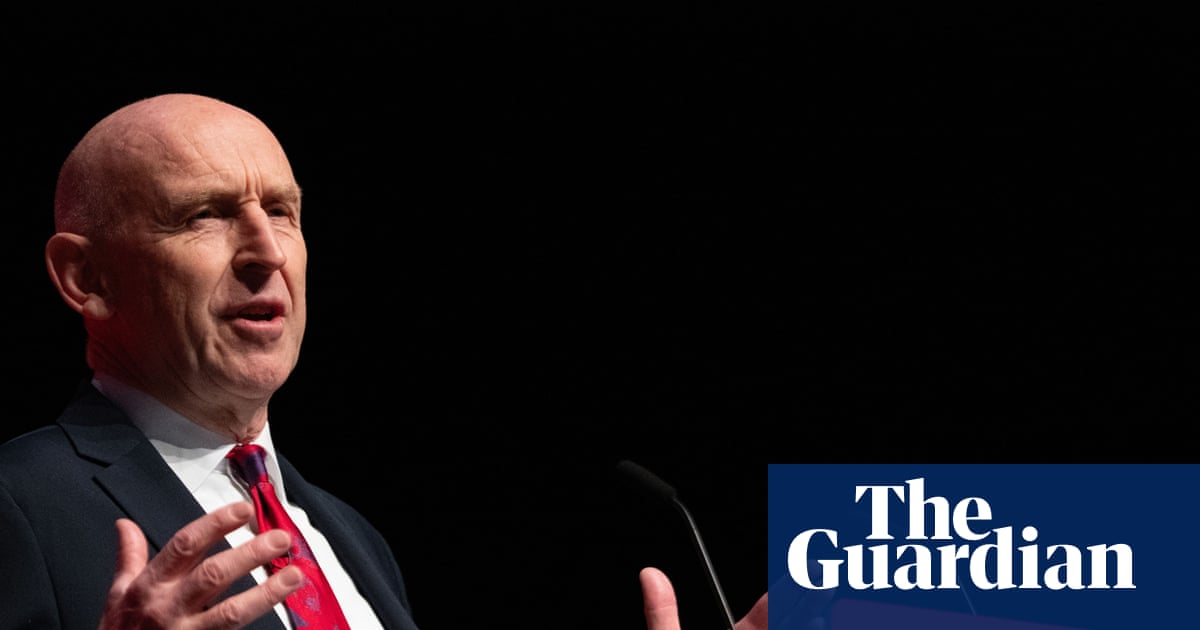
Prime Minister Andy Burnham told BBC Radio 4 this morning that he would not call Mr Rossi's warning an overstatement, adding that the cost of energy, petrol and diesel was 'very difficult indeed'.
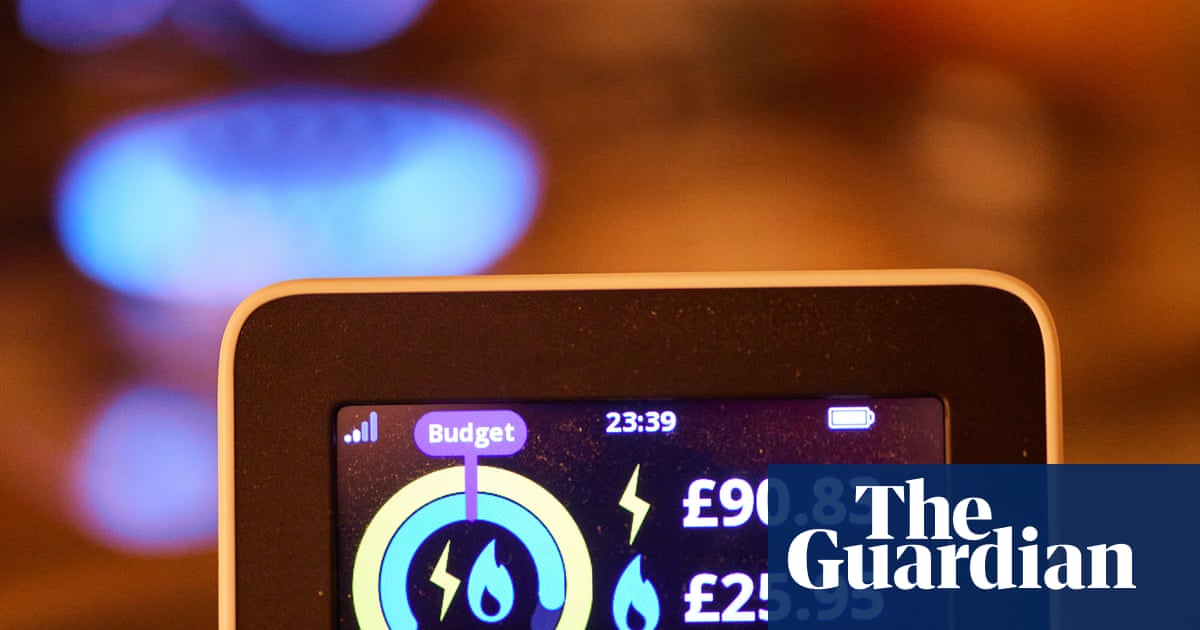
The increase from tomorrow will see energy bills for the average household in England, Scotland and Wales paying by direct debit for gas and electricity reach £1,723, up £5 a month or £60 a year if this level was sustained over 12 months.
Cornwall Insight explained that Ofgem sets the wholesale part of the cap using prices from a fixed period known as the 'observation window'.
The window for the January cap is now nearly halfway through, meaning the price rises this month are already locked in - making a January increase very likely.
Experts say the extent of January's rise will depend on how the Middle East conflict progresses – but even if the war ended tomorrow, supply disruption would probably take months to correct itself.
asserted
disruption → tell → itself
There are also fears that if Europe ends this winter with depleted gas storage inventories, more gas will need to be bought next summer to rebuild stocks before winter 2027/8, pushing up prices again.
asserted
gas → be → prices
Dr Craig Lowrey, principal consultant at Cornwall Insight, said: 'These prices are going to hit households hard.
'
asserted
prices → say → households
January is already a difficult month for many, with cold weather and bank balances still recovering from Christmas, and now they face the biggest price cap rise we've seen in four years.
asserted
we → recover → years
At the moment, we can't yet see an end to the volatility, and with gas stocks as low as they are, the effects of the conflict could be with us for many more months.'
uncertain
effects → see → months
The rise in bills from tomorrow comes just as cooler temperatures see many switching on their central heating.
asserted
many → come → heating
The October hike to Ofgem's price cap includes the Government's decision to remove VAT from household electricity bills, which also takes effect from tomorrow.
asserted
which → include → tomorrow
The removal of the 5 per cent levy until March 31 next year will save the average bill payer around £45 a year, estimates from the Government suggest.
asserted
estimates → save → Government
The policy was one of Mr Burnham's first moves as Prime Minister to ease household bills, announced in July on the day after he took over the post.
asserted
he → ease → post
Households will still pay 5 per cent VAT for gas.
asserted
Households → pay → gas
Mr Rossi is among those calling for the Government to extend the VAT cut on electricity bills from beyond the end of next March.
asserted
Government → call → March
He also wants the green light to be given to the new Jackdaw gas field and Rosebank oil field off the Scottish coast.
asserted
light → want → coast
Dr Lowrey said: 'With the Budget just around the corner, there is the possibility of further household support beyond the VAT move announced in July.
asserted
Lowrey → say → July
'However, the Government is going to have to think carefully about the type and level of support that they make available.
asserted
they → go → support
Ofgem said the increase to its price cap reflected higher wholesale gas prices as a result of the ongoing conflict in the Middle East, with volatile global markets remaining the dominant driver of price changes.
asserted
markets → say → changes
Comparison site Uswitch urged households without smart meters to send in readings to their supplier by the end of the month to avoid being charged higher rates for energy used before October 1.
asserted
Uswitch → urge → October
Reacting to the latest Cornwall Insight prediction, Uswitch's director of regulation Richard Neudegg said: 'Household energy prices look set to go from worse to even worse this winter.
'
asserted
prices → react → worse
This latest prediction would represent the highest rate of increase since the energy crisis and will be extremely hard to bear for many households at the coldest time of year.
asserted
prediction → represent → year
It is too early to call the exact level of the January price cap, given the continued instability in the Middle East, but the direction of travel is very concerning, alongside other cost of living pressures households face.'
asserted
households → call → pressures
Prime Minister Andy Burnham said that he would not call Mr Rossi's warning an overstatement
Homes on a standard tariff with average usage are expected to spend £145 on energy in October, compared with £109 in September.
The increase of a third is down to a combination of increased usage due to cooler temperatures and higher unit rates under the latest price cap.
asserted
increase → say → cap
The energy regulator will announce its next price cap, covering January to March 2027, in November.
asserted
regulator → announce → November
The forecasts come amid the US-Iran conflict, which has driven up energy costs worldwide.
asserted
which → come → costs
The blocking of the Strait of Hormuz – a major oil shipping lane – has seen the price of fuel and electricity spike at a rate last seen following Russia's invasion of Ukraine.
asserted
price → see → Ukraine
Ofgem changes the price cap for households every three months, largely based on the cost of energy on wholesale markets.
asserted
Ofgem → change → markets
The energy price cap was introduced by the Government in January 2019 and sets a maximum price that energy suppliers can charge consumers in England, Scotland and Wales for each kilowatt hour (kWh) of energy they use.
asserted
they → introduce → energy
It does not limit total bills because householders still pay for the amount of energy they consume.
asserted
they → limit → energy
 The Aporia