Story summary
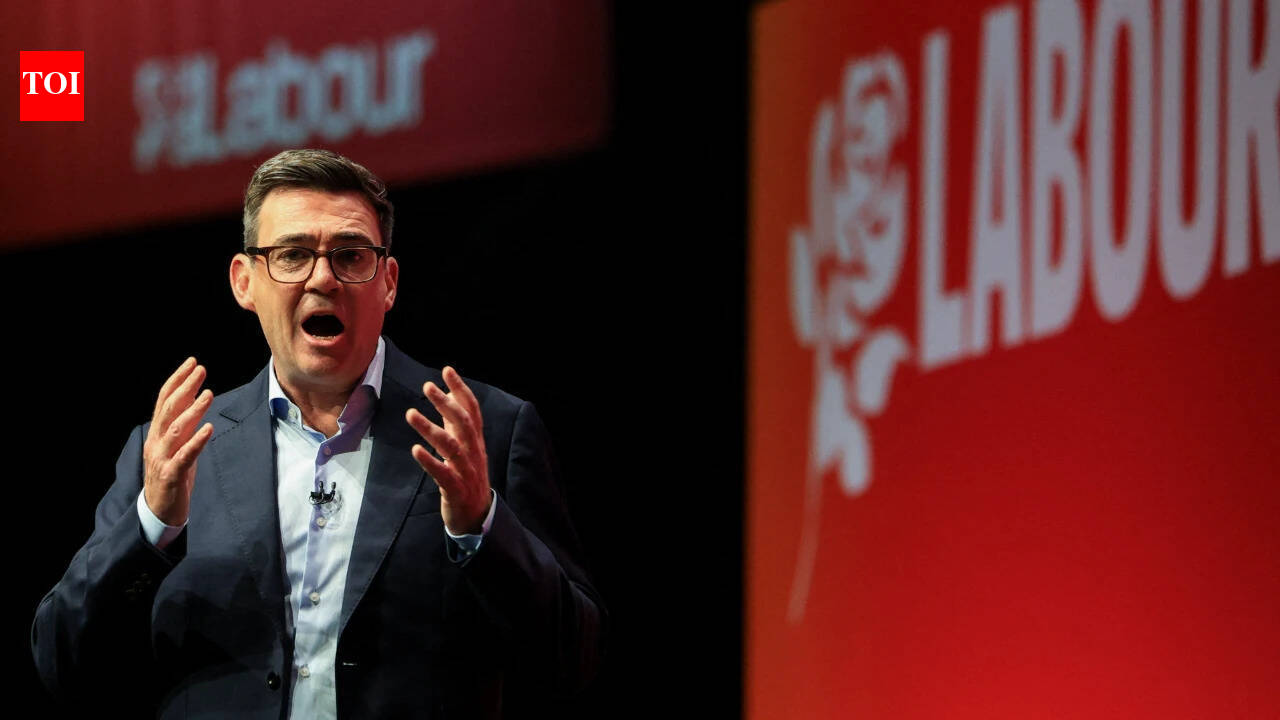
Andy Burnham, the new Labour Party leader and Prime Minister of Britain, has indicated that rejoining the European Union (EU) could be an option for the UK. During his first Labour conference speech as PM on Tuesday, Burnham stated that Brexit had caused "more harm than good" and promised to outline options around a November summit with the EU.
Burnham told both the BBC and ITV News that while he would not jump immediately towards any single decision like holding a referendum or fighting the next election on a promise to rejoin, public opinion could influence his party's stance. He emphasized considering "what is doable" and evaluating the pros and cons of each potential option.
However, some within Labour disagree with Burnham’s approach; Michael Marra, leader of Scottish Labour, warned that rejoining the EU is “unrealistic.” Despite this internal division, European leaders like French President Emmanuel Macron have welcomed the possibility, suggesting it could be "excellent news."
Written for “UK Rejoining EU Debate” on 2026-10-05,
grounded in this article and the 17 other(s) covering the same event.
New UK Prime Minister Andy Burnham hints at European Union rekindling in bold political speech
By
asserted
Burnham → hint → speech
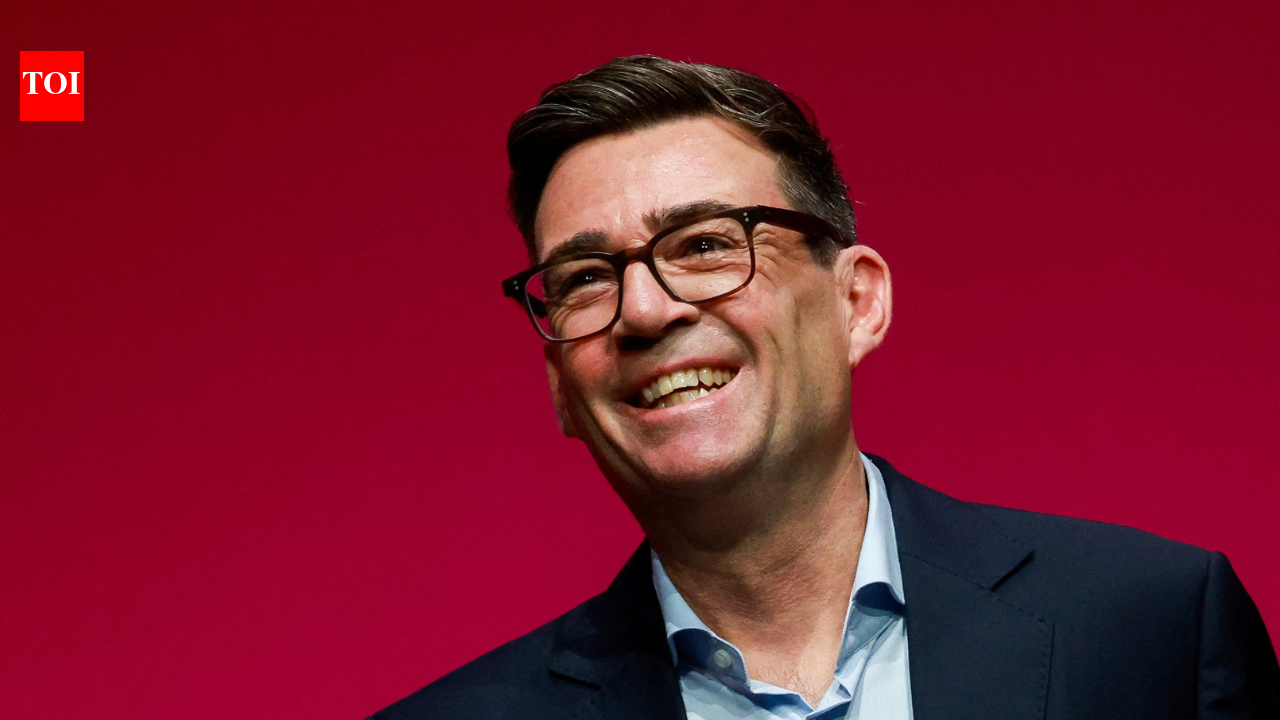
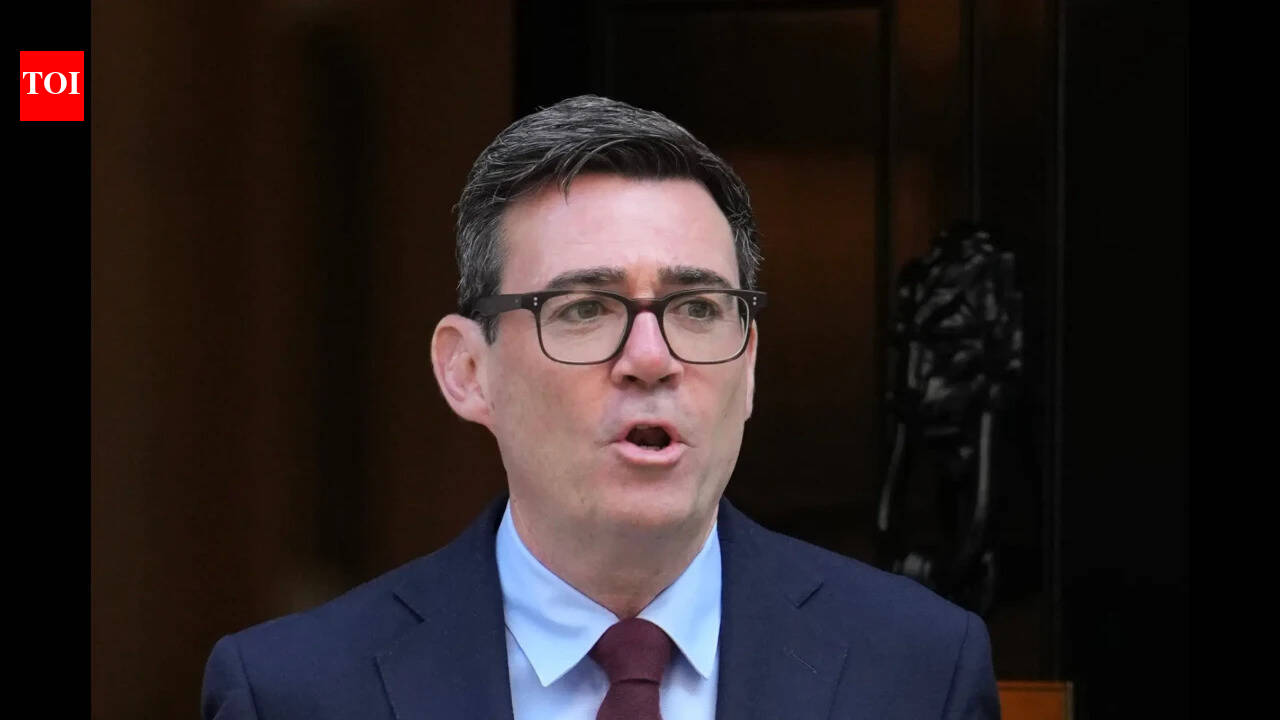
New British Prime Minister Andy Burnham set out a sweeping political vision on Tuesday, pledging to give Britain “a new social contract for the 21st century,” reform the country’s electoral system and reset its relationship with its European neighbors.
asserted
Burnham → set → neighbors
But he acknowledged that economic constraints make delivering his sweeping plans a big political risk.
asserted
delivering → acknowledge → plans
“Small things will not get us through what are difficult times,” Burnham said in a tough-love speech to the center-left Labour Party’s annual conference.
asserted
Burnham → get → conference
Two months after becoming leader of the U.K.’s governing party, Burnham set out a crowd-pleasing vision of more social housing, better education and more affordable care for the elderly.
asserted
Burnham → become → elderly
But he warned that money would have to come from welfare and pension spending to deliver the changes.
asserted
money → warn → changes
Anticipating opposition to his plans, Burnham said: “I have given you what you often say is missing from politics: honesty, ideas and a clear direction for the country we all love.”
asserted
we → anticipate → country
Bold plans bring high costs
asserted
plans → bring → costs
Some of Burnham’s announcements in the hourlong speech will spark big political fights.
asserted
Some → spark → fights
Burnham said he would stake his political legacy on establishing a “national care service” to fix what he called a “ broken” social care system.
asserted
he → say → what
He said that like the much-loved but overstretched National Health Service it would be free to use and would be paid for through taxation.
asserted
it → say → taxation
Burnham held back tears as he spoke about his experiences of the care system with his father, Roy, who died earlier this month.
asserted
who → hold → father
To help fund the care service, which will be introduced if Labour wins the next election, Burnham said he would water down the long-unassailable pensions triple lock, an expensive policy that guarantees pensions rise each year by the annual increase in consumer price inflation, average wage growth, or 2.5%, whichever is highest.
asserted
whichever → help → inflation
“I accept I may pay a political price,” he said.
uncertain
he → accept → price
“But someone has to go through the pain barrier and rip the plaster off.”
asserted
someone → have → plaster
Burnham argued that Britain took a wrong turn in the 1980s with the free-market reforms and privatization of key industries under Conservative Prime Minister Margaret Thatcher.
asserted
Britain → argue → Thatcher
And what has it given us?
asserted
it → give → us
A country run for vested interests, not in the public interest,” he said.
asserted
he → run → interest
Burnham vowed to “move beyond a decade of drift and division” and end the economic and political turmoil that have made him the U.K.’s seventh prime minister since the country voted in 2016 to leave the European Union.
asserted
country → vow → Union
In a major move on that front, he said Labour would contest the next election on changing Britain’s winner-takes all electoral system to a form of proportional representation.
asserted
winner → say → representation
He also promised a rethink of Britain’s relationship with the EU, saying “Brexit has done more harm than good” and the U.K. needs “clarity about our position and the future of the continent that we live in.”
asserted
we → promise → that
Also on Burnham’s ambitious agenda: ending street homelessness, cutting youth unemployment and exerting more public control over Britain’s privatized utilities.
Burnham has buoyed his party
Labour’s conference slogan this year was “Hope Again,” and Burnham’s relaxed, social-media friendly confidence has been a tonic to his party.
As the sun glinted on the River Mersey beside the conference center in Liverpool, the mood was a world away from last year’s downbeat gathering, when delegates despaired about then-Prime Minister Keir Starmer’s dire approval ratings and the seemingly unstoppable rise of the anti-immigration opposition party Reform UK.
asserted
delegates → end → party
Events came to a head months later when a panicky party forced Starmer’s resignation and his replacement by Burnham as party leader and prime minister in July.
asserted
party → come → July
But as delegates gathered, terror arrests near a U.S.-run air base in England brought home the daunting global situation and unexpected challenges facing the neophyte prime minister.
asserted
arrests → gather → minister
Five men were arrested Sunday on suspicion of explosives and terror offenses outside the RAF Fairford base in western England.
asserted
men → arrest → England
They have been released on bail while police probe lines of inquiry including a link to a hostile state.
asserted
police → release → state
That meant Burnham and his Cabinet were peppered during the conference with questions about security lapses and potential threats from Iran or Russia.
asserted
Burnham → mean → Iran
Burnham also acknowledged the gloomy economic backdrop against which Treasury chief John Healey will deliver the government’s budget on Oct. 28.
asserted
Healey → acknowledge → Oct.
Start your day with all you need to know
Morning Report delivers the latest news, videos, photos and more.
asserted
Report → start → news
The U.S.-Iran war continues to choke shipping through the Strait of Hormuz, sending oil prices soaring and pushing up inflation and the cost of government borrowing.
asserted
war → continue → borrowing
Burnham said his government would “stick to our fiscal rules to get borrowing and debt down.”
asserted
government → say → borrowing
“I would love to go quicker, but I have to be honest about what the country can afford,” Burnham said.
asserted
Burnham → love → what
The next general election does not have to be called until 2029, but Labour’s “Burnham bounce” has sparked talk of a snap election.
asserted
bounce → have → election
Burnham insists he won’t go to voters early, and John Curtice, professor of politics at the University of Strathclyde, said that’s a wise decision.
asserted
that → insist → Strathclyde
Curtice said Burnham had given Labour “a halo effect from a popular leader.”
asserted
Burnham → say → leader
“But the challenge for this party now is to change that halo effect from the leader to the party,” Curtice said.
asserted
Curtice → change → party
“This party needs to make much more progress before it can contemplate the prospect of an election.”
asserted
it → need → election
 The Aporia