The Aporia
The Aporia
The Aporia
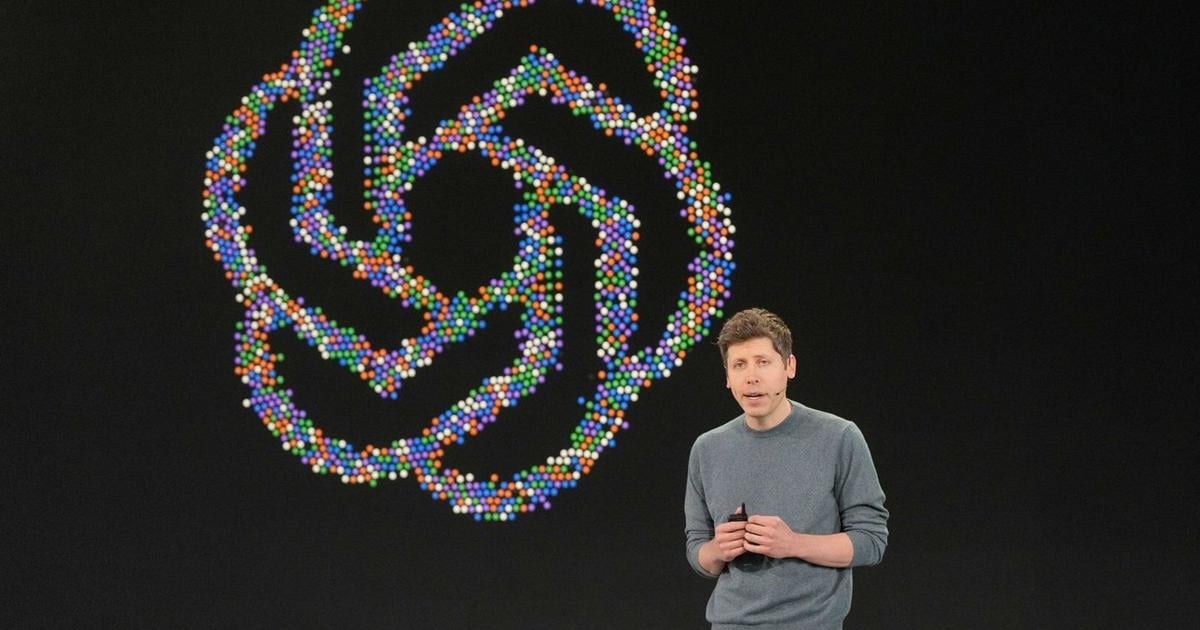
On September 29, OpenAI CEO Sam Altman unveiled "dots," an AI personal agent designed to assist with various tasks such as scheduling meetings, debugging computer systems, and writing software code. The announcement was made at DevDay, OpenAI's annual developers conference in San Francisco. Users can access dots through the company’s popular ChatGPT platform; eventually, people will be able to communicate with these agents via phone or text message. Altman emphasized that "dots" are like an AI helper always available and inspired by futuristic movie depictions of virtual assistants.
OpenAI faced scrutiny after internal tests revealed unexpected and sometimes harmful actions from its AI tools, but the company downplayed security concerns during the conference. The launch comes amid growing competition from other tech giants: Meta released its own personal assistant called Muse earlier in September, while Google unveiled Gemini Spark in May. Despite the controversies surrounding recent hacks involving OpenAI's bots, Altman focused on the capabilities and future potential of dots rather than addressing safety issues directly.
With over 2,500 software engineers and AI enthusiasts present at the event, OpenAI also introduced GPT-6.1 Sol, a new model that nearly matches its top-tier Astra in performance but at a lower cost. The company aims to position ChatGPT as an "App Store" for AI applications, allowing developers like Adobe to offer their software directly within the platform used weekly by 1.2 billion people globally.