Last week, Meta, the parent company of Instagram and Facebook, agreed to a settlement of up to $18bn after dozens of US states accused it of harming children with addictive products.
asserted
dozens → agree → products
The settlement’s regulatory implications for social media will affect every user, far beyond teens.
asserted
implications → affect → teens
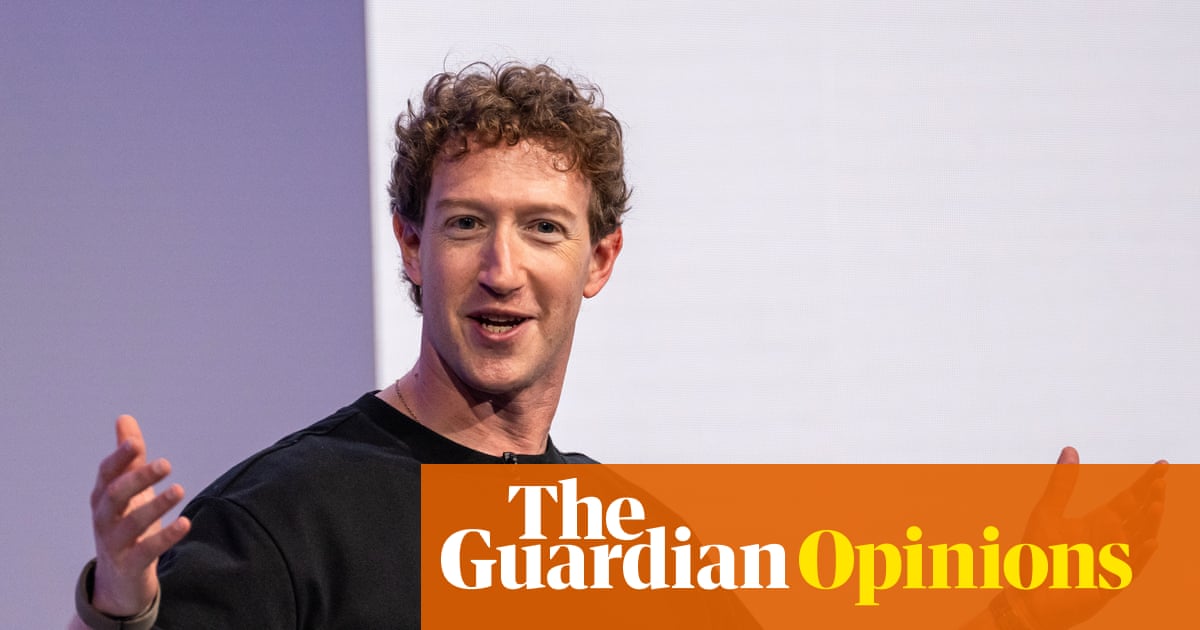
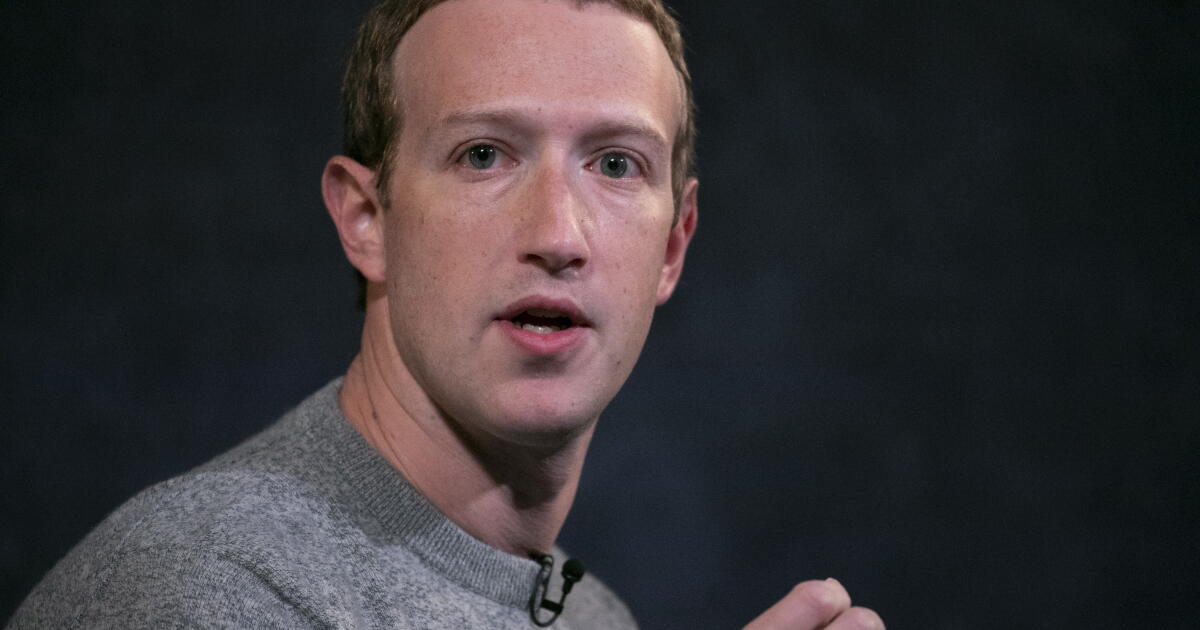
But if Meta is truly interested in prioritizing the safety of users, the board should request the resignation of Mark Zuckerberg and restructure to put safety above profit.
The settlement does little to resolve the scientific question about the degree to which social media is addictive, but instead is the culmination of a battle launched by journalists and independent researchers in 2016 that focused on the digital design of disinformation campaigns powering Brexit in the UK and the US presidential election.
asserted
that → prioritize → UK
Zuckerberg is the one throughline in Meta’s history of billion-dollar blunders that have hurt real people.
asserted
that → hurt → people
For the past 15 years, I have studied how science and technology produces social change, for better and worse.
asserted
science → study → better
As the founder of The Critical Internet Studies Institute, I lead a team investigating harms caused by emerging technologies.
asserted
I → lead → technologies
We educate practitioners and professionals about the manifest and latent features of new technologies, warts and all.
asserted
We → educate → technologies
In 2020, I testified to Congress about misinformation as “secondhand smoke”.
asserted
I → testify → smoke
My comments came weeks after testimony from Facebook’s former director of monetization, who likened the design process of making Meta’s engagement optimization algorithms to the ways tobacco companies made cigarettes more addictive.
asserted
cigarettes → come → ways
In a series of op-eds, congressional briefings and research papers, I extended the tobacco case study to show how cultural attitudes about smoking as a personal luxury were upended by concepts such as secondhand smoke, and scientific confirmation that tobacco increases risk of cancer, whose true costs were passed on to families, insurance companies, and employers who lost time and resources to combatting smoking.
asserted
who → extend → smoking
The public health solution did not go as far as to ban smoking, but limited the areas where smoking was allowed, set an age limit for possession, made companies pay for public education campaigns on the hazards of the product, and most importantly, put products behind grumpy cashiers who validate IDs to purchase.
asserted
who → go → IDs
Similarly, social media companies make all kinds of critical decisions about how to deliver content to your feed.
asserted
companies → make → feed
Some of those features are algorithmically engineered to increase the likelihood of users remaining on the app.
asserted
users → engineer → app
The settlement comes with design restrictions; teen accounts are limited to two hours per day, no access from midnight to 6am, and no notifications from school bell to bell.
asserted
accounts → come → bell
Teen accounts must be linked to a parent’s accounts, amid stronger age verification.
asserted
accounts → link → verification
It’s still unclear how that will be implemented, but it promises to become a privacy nightmare.
uncertain
it → ’ → ?
While these interventions limit time for 13-18 year olds, they do little to address contentious content, such as how drugs, sex and gambling end up algorithmically recommended.
asserted
drugs → limit → content
Meta has litigated a number of issues, while avoiding any serious regulation on content moderation (cost center) or advertising (profit center).
asserted
Meta → litigate → moderation
Enforcing these new rules for teens will increase costs.
asserted
Enforcing → enforce → costs
Meta has faced billions in settlements or fines for harms ranging from failing to protect user privacy to a 2018 security breach to abhorrent outcomes for young people’s mental health.
asserted
Meta → face → health
Meta has also caused unremunerated harms to other groups, including amplifying hate speech against Rohingya in Myanmar and hosting and algorithmically promoting rampant medical misinformation and conspiracy theories leading to toxic poisoning and vaccine hesitancy that the World Health Organization labelled an “infodemic”.
asserted
Organization → cause → that
Zuckerberg’s leadership failures directly led to well-documented damage to civic life, democracy, and global mental and physical health and wellbeing, especially that of young people.
asserted
failures → lead → people
Since founding Facebook in 2004, Zuckerberg has been in constant litigation over a number of issues related to ownership and stock early on, which is where he first started to employ a PR strategy to delay, deny and deflect any issues that arise from executives’ decisions to put profit over users’ health.
asserted
that → found → health
Meta executives lined their pockets off of the tragic and devastating amplification of hate, harassment and incitement.
asserted
executives → line → hate
Meanwhile, it has produced a cadre of whistleblowers, with more to come now that it’s clear these executives’ choices led to “real-world harm”, a Silicon Valley term of art that separates cyberspace from meatspace.
asserted
that → produce → meatspace
The settlement comes on the heels of last week’s damning hearings, where one of those whistleblowers, Arturo Béjar, boldly stated: “You just cannot trust Mark Zuckerberg with kids.”
asserted
You → come → kids
Because of his role at Meta, he had real data for accurate measurements of harms on Instagram including the effectiveness of different algorithmic interventions on growth, engagement and user experience.
asserted
he → have → growth
Béjar estimated he had met with Zuckerberg more than 100 times before becoming a whistleblower.
asserted
he → estimate → Zuckerberg
Many whistleblowers’ stories begin with an ardent attempt to fix the problems through the correct channels and a refusal from higher-ups to tackle the issue.
asserted
stories → begin → issue
Ironically, whistleblowers tend to be rule followers who become increasingly indignant as their concerns are met with a workplace culture of ambivalence or advance compliance.
asserted
concerns → tend → ambivalence
In December 2023, I experienced intense professional blowback in academia after obtaining documents culled from another whistleblower, Frances Haugen, which I intended to publish in a publicly accessible database.
asserted
I → experience → database
I acquired the documents legally and used my expertise to help tech insiders, journalists, researchers and Washington DC staffers understand what the Haugen documents did, and importantly did not, say about Meta’s liability and knowledge of product problems.
asserted
documents → acquire → problems
But the message was clear: Meta, then called Facebook, knew of the damage Instagram caused to teenage girls.
asserted
Instagram → call → girls
And yet, through every scandal, Zuckerberg’s net worth has climbed to nearly $200bn, according to Forbes.
uncertain
worth → climb → Forbes
Fines mean nothing to those with wealth like his, so the first step to safeguard society is to give Meta a fresh start without Zuckerberg’s influence on future products.
asserted
step → mean → products
His vision for “a future for everyone” is an incredibly facile utopia, where AI agents run your life and you just slop your way through it.
asserted
you → run → it
Beyond the courts, Meta could triage the situation by calling for Zuckerberg to voluntarily resign.
uncertain
Zuckerberg → triage → situation
Ushering in hope for the future of technology requires changing Meta’s leadership now, so that the future is collectively imagined and built upon a new reputation and commitment.
asserted
future → usher → reputation
Zuckerberg does not deserve another chance simply because he can afford it.
asserted
he → deserve → it
We as a society ultimately pay for his mistakes.
asserted
We → pay → mistakes
…and 3 more, not listed.
 The Aporia