Claims extracted
15
sentences that state something as happening or true
Uncertain
13%
2 of 15 hedged
("reportedly", "may", "according to")
Leaning
Leans left
of the writing, not the subject · beta estimate
Publisher signals
72/100
BBC News's corrections and
hedging, across everything collected from it. Not a measure of accuracy.
Outlets on this story
1
Politics
Same framing elsewhere
1
articles that frame the event the way this one does
- Published
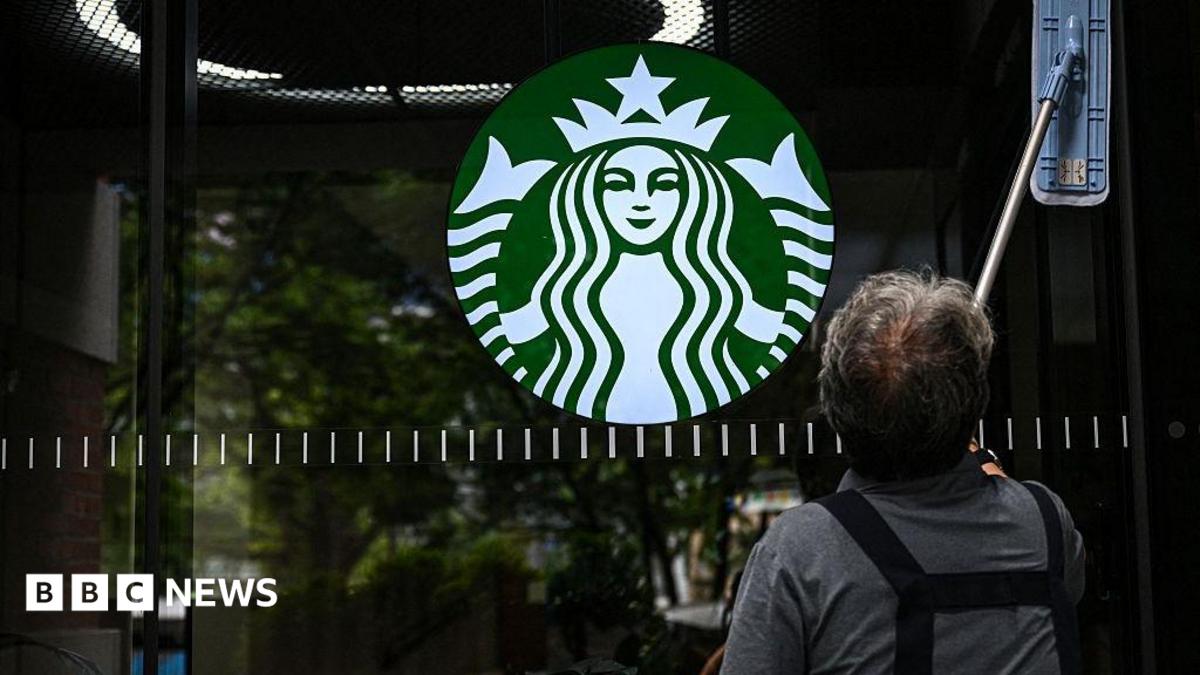
South Korean police have raided the national headquarters of Starbucks over defamation claims surrounding a controversial marketing campaign.
uncertain
police → publish → campaign
Starbucks Korea had in May launched a coffee tumbler promotion called "Tank Day" on the anniversary of the 1980 Gwangju Uprising, where hundreds were believed to have been killed by military forces.
uncertain
hundreds → launch → forces
Many felt the "tank" was a reference to vehicles deployed to crush pro-democracy protesters and the promotion sparked a mass boycott movement.
asserted
promotion → feel → movement
Starbucks quickly rolled it back, saying it was unintentional but civic groups filed a criminal complaint against the company, demanding the police investigate it for defaming victims of the military dictatorship.
Shinsegae Group, which operates Starbucks in Korea, said it had launched an internal investigation into the campaign and concluded that the mistake was unintentional.
asserted
mistake → roll → campaign
It added the team that had planned the promotion did not draw the connection to the historical event, and the upper management had failed to spot it as well.
asserted
management → add → it
In June, Starbucks stores across the country closed for half a day to allow staff to attend history lessons.
asserted
staff → close → lessons
Shinsegae apologised for the "inappropriate marketing" and said that the Tank Day controversy had led to serious decline in Starbucks sales in South Korea - one of the coffee chain's largest markets.
asserted
controversy → apologise → markets
The company also sacked its chief executive.
asserted
company → sack → executive
Reports estimate that hundreds were killed by the forces of military dictator Chun Doo-hwan, on what is now remembered as a day of national trauma for South Koreans - and a day held sacred by many in the country.
asserted
what → estimate → country
In addition, promotional material for the tumbler used the phrase "tak on the table!", mimicking the sound of an object being slapped on a surface.
But "tak" was also the word used in a controversial statement given by police in 1987, describing the death of a student activist in custody.
asserted
tak → use → custody
South Korea's president Lee Jae Myung was among those who criticised the campaign, saying it "insults the victims and the bloody struggle" of Gwangju residents.
asserted
it → criticise → residents
The scandal, which broke during the local elections season, also became a prominent talking point between the two major parties.
asserted
which → break → parties
While the internal ministry under Lee announced a government-level boycott of Starbucks, the opposition leader responded by holding up a Starbucks cup during a speech and accusing the government of overreach.
asserted
leader → announce → overreach
Since then, Starbucks cups have been embraced by right-wing pundits as a symbol of opposition to the Lee Jae-myung government.
asserted
cups → embrace → government
It has also made appearances in right-wing rallies and livestreams.
asserted
It → make → rallies
 The Aporia