U.S. bans on imported Canadian motorcycle, dairy, alcohol products take effect as trade war drags on
Bans are limited in scope, but designed to test Ottawa's resolve, trade lawyer says
The United States' ban on select Canadian imports took effect just after midnight Tuesday, the the latest step in a feud that has already led to crushing tariffs on tens of billions of dollars' worth of goods.
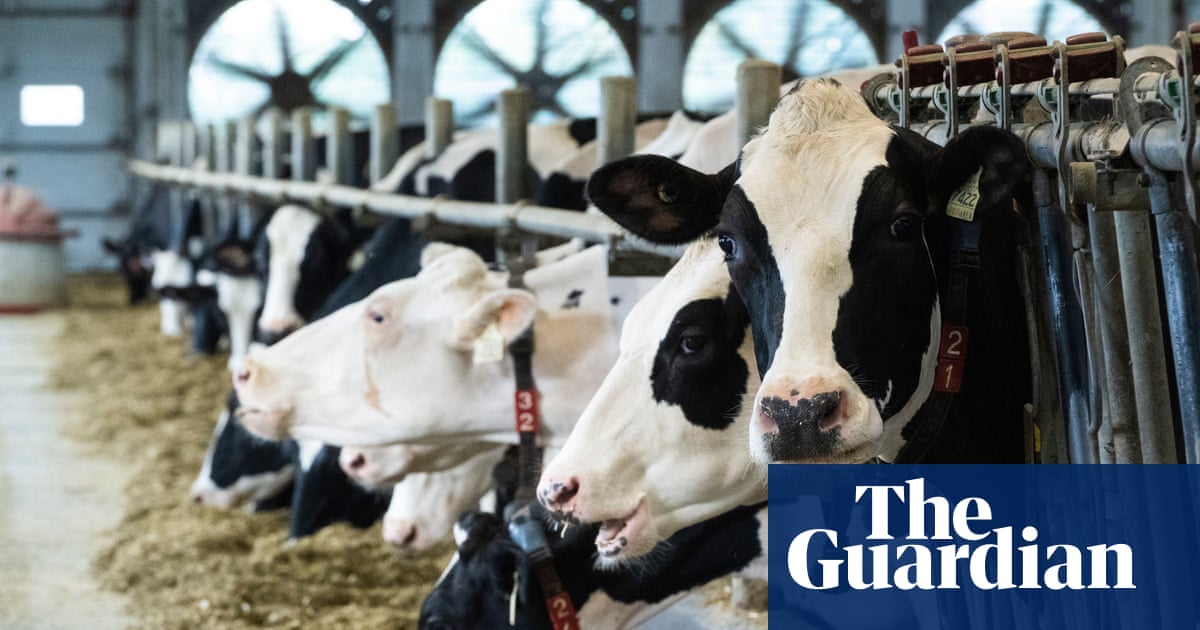
The bans, published by the White House, apply to a range of products including Canadian alcoholic drinks, molasses, motorcycles and dairy byproducts.
The restrictions will deliver another blow to businesses already struggling in those sectors after months of tariffs and uncertainty, but don't encompass enough products to disrupt the national economy.
asserted
restrictions → import → economy
One international trade lawyer said the strategy is designed instead to test Canada's resolve after 18 months of acrimony.
asserted
strategy → say → acrimony
"It's just a way to try to mess with Canada," said Barry Appleton, co-director of the Centre for International Law at the New York Law School.
asserted
Appleton → try → School
"Bans are really hard to get off.
asserted
Bans → get → ?
You can negotiate down a tariff — it's a number — but a ban is usually here to stay.
asserted
ban → negotiate → tariff
And so what Washington's telling us here in Canada is: 'New ball game, new mayor, watch out.'
asserted
telling → tell → Canada
"
The list of Canadian goods banned under five White House proclamations are as follows:
- Beer.
- Wine.
- Cider.
- Whiskies.
asserted
list → ban → proclamations
One analysis from Derek Holt, vice-president and head of capital markets economics at Scotiabank, found the bans on alcohol, dairy and motorcycles will be negligible because Canada sends very little dairy and few motorcycles south of the border.
asserted
Canada → find → border
Alcohol exports are higher than the other categories, with around $1.2 billion worth sent to the U.S. last year.
asserted
exports → send → U.S.
"These actions are face-saving by the U.S. administration, not substantive in nature and that’s a positive," Holt said in a note to investors on Sept. 9.
asserted
Holt → save → Sept.
The U.S. expanded its trade war with Canada earlier this month, announcing the bans alongside adjustments to the existing tariff regime.
asserted
U.S. → expand → regime
Various cheese products were added to a list of products subject to a 50 per cent tariff, but not banned outright.
asserted
products → add → tariff
Some paper, aluminum, wood, furniture, lighting and other products were also added to the list.
asserted
paper → add → list
A senior official with the Trump administration said the restrictions are designed to discourage other countries weighing whether to follow Canada's example in retaliating against the Trump administration's tariff-heavy economic policy.
asserted
restrictions → say → policy
Trump suggests Canada will back down
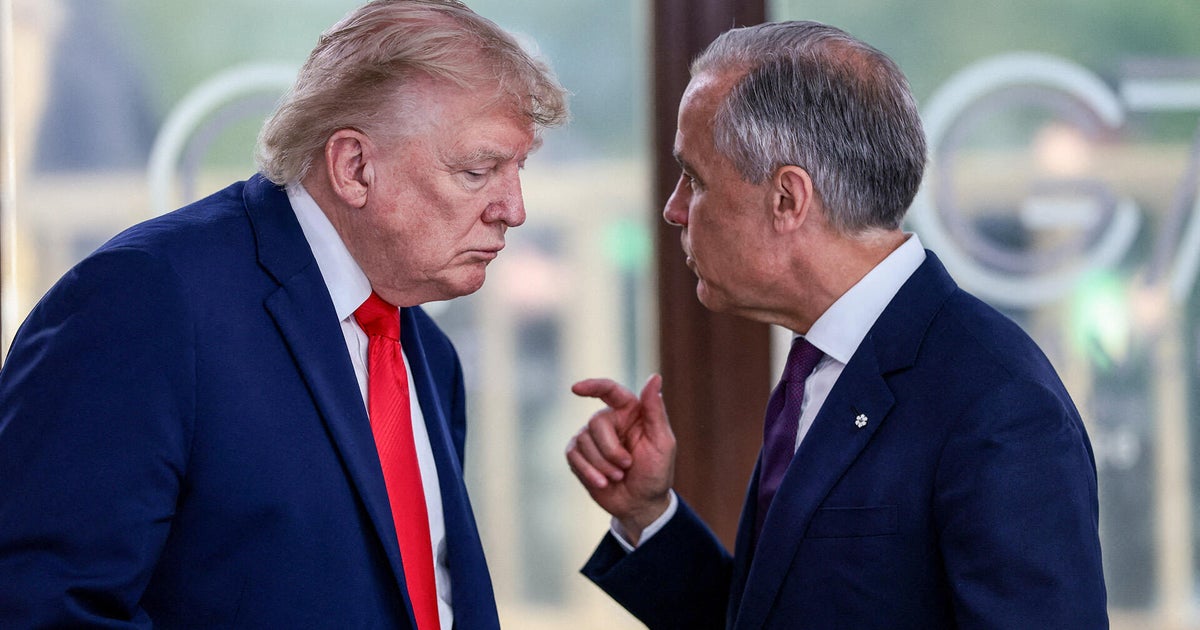
U.S. President Donald Trump said Monday that he thinks a trade deal with Canada is still possible because "they're going to come to us and they're going to say, 'We need to get rid of all the tariffs.'
uncertain
We → suggest → tariffs
"
"We're going to win everything," he told reporters in the Oval Office, suggesting it's Canada that has treated the U.S. unfairly.
"
asserted
that → go → U.S.
They're going to come in and they're going to say, 'Sir, we are sorry,'" Trump said.
asserted
Trump → go → ?
I think a deal will be made, but it's going to be a fair deal."
asserted
it → think → ?
On Friday, the top U.S. trade envoy said Trump was "comfortable" with the state of the Canada-U.S. dispute and felt no rush to reach a new trade agreement.
asserted
Trump → say → agreement
"They [Canada] call us now and then and we have good conversations about potential deals.
asserted
we → call → deals
But there's no urgency on our side," U.S. Trade Representative Jamieson Greer told CNBC.
asserted
Greer → be → CNBC
On his end, Canada-U.S. Trade Minister Dominic LeBlanc echoed Greer's assessment of the situation.
asserted
LeBlanc → echo → situation
He said Canada stands ready to negotiate a deal, but that he isn't "waiting by his phone" for the administration's call.
asserted
he → say → call
Hours before the ban went into place Tuesday, a spokesperson for LeBlanc said the government's priority remains protecting and supporting Canadian workers and businesses from "these unjustified actions."
asserted
priority → go → actions
"Our core focus is on what we can control: building strength at home, diversifying our partnerships abroad, and building Canada strong for all Canadians,” Gabriel Brunet said in a statement.
asserted
Brunet → control → statement
As insults fly around trade, negotiators for Canada and the U.S. avoid getting personal in public
ANALYSIS:
asserted
negotiators → fly → public
Trade 'war' or not, are Canada and the United States now dug in?
asserted
Canada → dig → ?
The two countries have been embroiled in a trade dispute since Trump took office for his second term in early 2025, but the relationship sank further after negotiations for a new deal fell apart at the 11th hour in August.
asserted
negotiations → embroil → August
Afterward, each side blamed the other for spoiling what seemed to be the closest chance at an agreement in months.
asserted
what → blame → months
The U.S. slapped 50 per cent duties on roughly $28 billion of Canadian goods on Aug. 22, after the deal fell apart, and Canada responded with dollar-for-dollar retaliatory tariffs on Sept. 8.
asserted
Canada → slap → Sept.
Those measures added to existing U.S. levies on Canadian steel, aluminum, autos and lumber.
asserted
measures → add → steel
The feud between the two countries has led to crushing tariffs on tens of billions of dollars worth of cross-border goods.
asserted
feud → lead → goods
 The Aporia