Rescue satellite gets close to NASA's doomed telescope, even if it can't save it
A private spacecraft that was supposed to save NASA's sinking Swift Observatory has managed to come within nine miles of the doomed spacecraft and even snap pictures
CAPE CANAVERAL, Fla. --
asserted
that → get → pictures
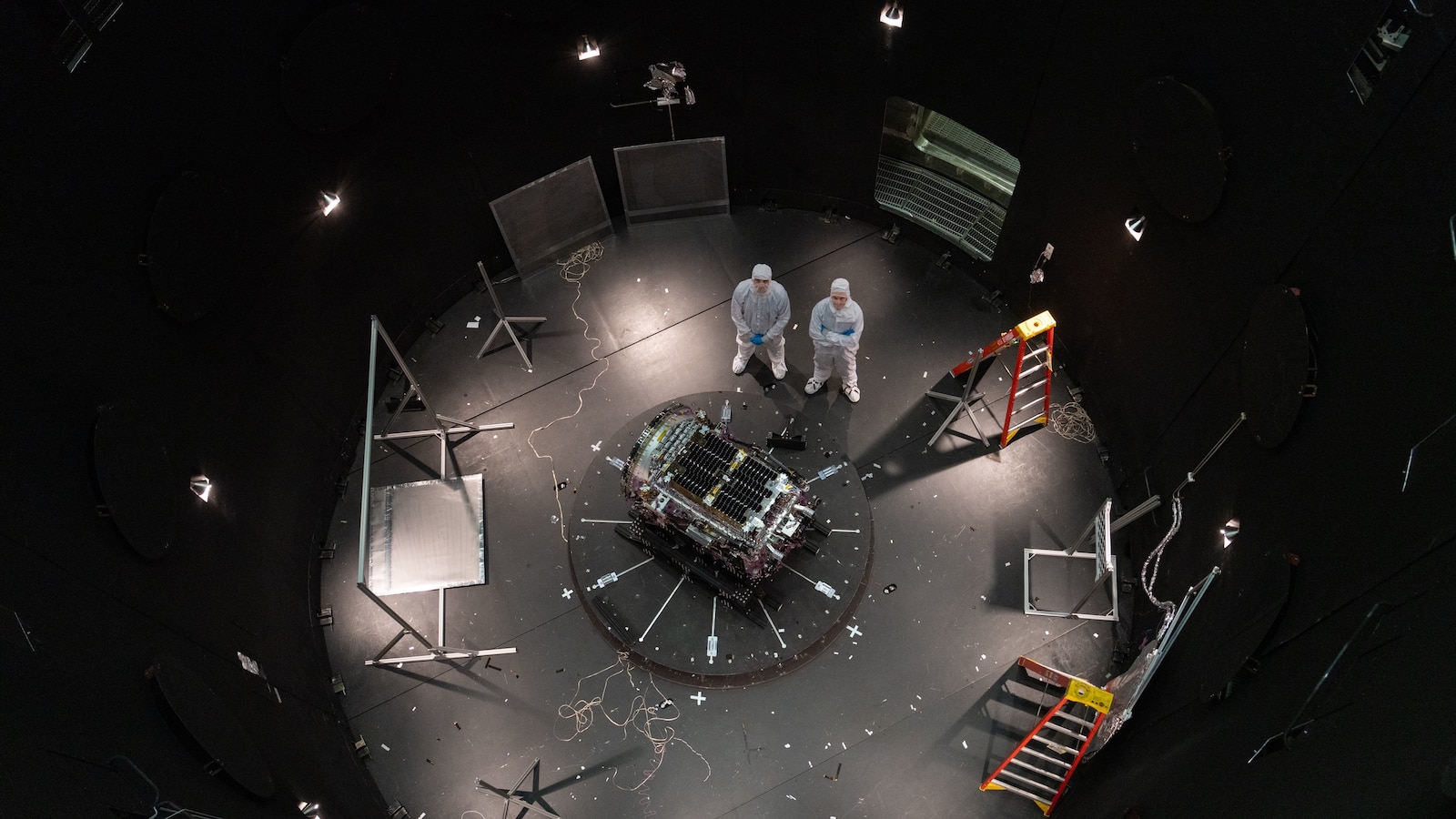
A private spacecraft that was supposed to supply a lifeline to NASA’s Swift Observatory managed to get close to the sinking telescope and even snap photos more than a week after the rescue was abandoned.
asserted
rescue → suppose → photos
But the three-armed robotic salvager had to turn away because of low fuel, according to Katalyst Space Technologies, which attempted the daring operation.
uncertain
which → have → operation
“We got so close, but so far,” Katalyst CEO Ghonhee Lee told The Associated Press this week.
asserted
Lee → get → Press
Katalyst's Link spacecraft got within 15 kilometers (nine miles) of Swift last weekend, using its own sensors to gather data on the doomed telescope for NASA.
asserted
spacecraft → get → NASA
The rescue effort had already been called off in August because of Link's own troubles in orbit, but the company wanted the practice for future satellite service calls.
asserted
company → call → calls
Link went into an uncontrollable spin soon after rocketing to Swift's rescue in July.
asserted
Link → go → July
Flight controllers managed to reduce the tumble and stabilize the spacecraft, using up precious fuel.
asserted
controllers → manage → fuel
In the end, there wasn't enough fuel remaining to boost the aging Swift to a higher, longer-lasting orbit so it could continue observing the cosmos.
uncertain
it → be → cosmos
Lee blamed Link's problems on the rush to get it flying.
asserted
it → blame → rush
The mission was thrown together in just nine months, and engineers often had to grab whatever was available instead of waiting for the preferred parts, he said.
asserted
he → throw → parts
NASA paid the company $30 million to carry out the attempt, which was always going to be rushed.
asserted
which → pay → attempt
Both sides viewed it as an experiment with little to lose, although no one wanted a wreck that would unleash clouds of space debris.
asserted
that → view → debris
“Unfortunately, it wasn't the outcome that we were expecting,” NASA Administrator Jared Isaacman said following Sunday's launch of the Roman Space Telescope.
asserted
Isaacman → expect → Telescope
“But that's exactly the type of missions that we should be flying at NASA.
asserted
we → fly → NASA
We will learn from that.”
asserted
We → learn → that
Isaacman said it makes sense to extend the life of a valuable spacecraft, especially if the cost to salvage it is less than to replace it.
asserted
cost → say → it
That's why the Roman telescope was designed to be refuelable even though it's headed toward an observation point 1 million miles (1.6 million kilometers) away.
asserted
it → design → point
It's unlikely that Link has enough fuel left to attempt another close approach to Swift, according to Lee.
uncertain
Link → have → Lee
But it can keep exercising its 3-foot (1-meter) arms and provide important data before it reenters and burns up in the atmosphere sometime in the next month, he said.
asserted
he → keep → month
Launched in 2004, Swift has a little more time remaining in orbit, depending on how active the sun is.
asserted
sun → launch → orbit
Intense solar storms of recent years are responsible for bringing the telescope down much sooner than expected.
asserted
storms → bring → telescope
NASA anticipates Swift will plunge through the atmosphere sometime between October and year’s end.
asserted
Swift → anticipate → October
The space agency resumed observations with the telescope last week after halting them early this year to save precious power.
asserted
agency → resume → power
Like Swift, the Hubble Space Telescope's orbit also has been shortened by solar activity.
asserted
orbit → shorten → activity
Katalyst is developing a next-generation spacecraft that could boost the 36-year-old Hubble to a longer-lasting orbit.
uncertain
that → develop → orbit
“Hubble does still have a few years of life yet, right?
asserted
Hubble → have → life
So the good news is this isn't imminent," Lee said.
asserted
Lee → say → ?
Servicing old telescopes and other satellites used to be “a very, very niche concept," he added, “and we believe it’s going to become more and more commonplace.”
asserted
it → service → telescopes
The Associated Press’ health and science coverage receives financial support from the AP Fund for Journalism and private foundations.
asserted
coverage → receive → Journalism
 The Aporia