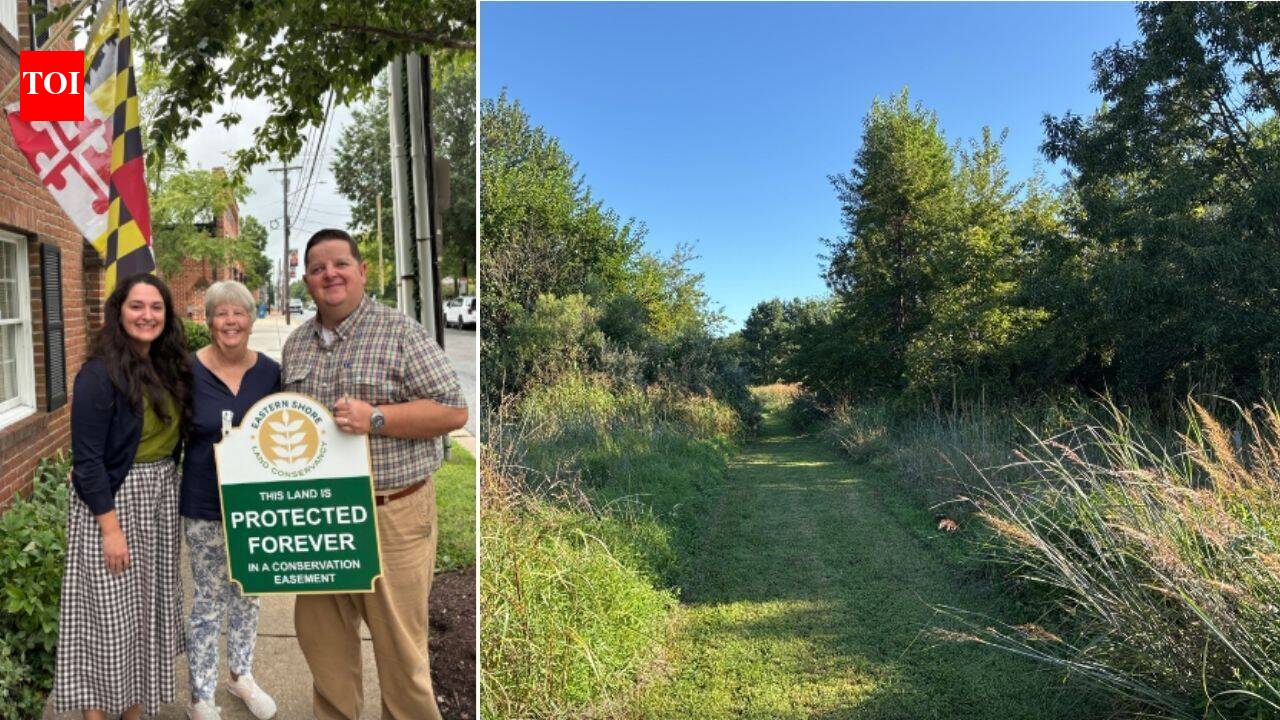
Louise and John Durocher transformed their 116-acre hunting property in Kent County, Maryland, into a wildlife haven over two decades by planting native grasses, wildflowers, shrubs, and trees. They restored the land to include meadows, woodlands, wetlands, and hedgerows, enhancing it as habitat for various species while protecting water quality in Tavern Creek and the Chesapeake Bay. The property is now under a permanent conservation easement through the Eastern Shore Land Conservancy, ensuring its preservation from future development.
Written locally by qwen2.5:14b on 2026-09-28,
using this article's own text rather than the other coverage of the
same event (that is the story summary below).
When Louise and John Durocher bought 116 acres in Kent County, Maryland, the property was intended primarily as a hunting retreat.
asserted
property → buy → retreat
Over the next two decades, however, the couple gradually changed its purpose.
asserted
couple → change → purpose
They stopped growing crops and began restoring the fields with native grasses, wildflowers, shrubs and trees.
asserted
They → stop → grasses
They planted river birch, tulip poplar, sycamore, white oak, loblolly pine, black walnut and pawpaw, creating a mosaic of meadows, woodland, wetlands and hedgerows.
asserted
They → plant → meadows
Now known as Tavern Creek Farm, the property has been placed under a permanent conservation easement through the Eastern Shore Land Conservancy and the Durocher family.
asserted
property → know → Conservancy
Eastern Shore Undercover reports that the agreement will protect the land from future development and preserve its value as wildlife habitat, while safeguarding water quality in Tavern Creek and the Chesapeake Bay.
asserted
agreement → report → Creek
A hunting property with a different future
When Louise and John Durocher purchased the 116-acre farm, they imagined using it as a hunting property.
asserted
they → purchase → property
The land still contained fields that had been used for growing crops.
asserted
that → contain → crops
It was productive farmland, but the couple gradually began to see possibilities beyond cultivation.
asserted
couple → begin → cultivation
About 20 years ago, they stopped farming crops on the property and started converting the fields into habitat.
asserted
they → stop → habitat
Instead of leaving the land bare or allowing it to become dominated by invasive plants, they planted native grasses, wildflowers, shrubs and trees.
asserted
they → leave → grasses
A field does not become mature habitat in one season.
asserted
field → become → season
Grasses need time to establish, trees must grow and wildlife begins using the land at different stages of recovery.
asserted
wildlife → need → recovery
The Durochers continued the process over many years, creating a landscape that combined open meadows, forest, wetlands, hedgerows and water.
asserted
that → continue → meadows
Their original hunting property became a long-term restoration project.
asserted
property → become → ?
Today, Tavern Creek Farm is protected from future development through a permanent conservation easement.
asserted
Farm → protect → easement
The first field of wildflowers
One of the couple’s earliest signs of success came after they planted wildflowers.
asserted
they → come → wildflowers
Louise Durocher recalled that coreopsis covered about five acres in gold during the first year the wildflower planting bloomed.
asserted
planting → recall → year
That image captures the appeal of habitat restoration.
asserted
image → capture → restoration
A field that once supported crops can become a living display of native colour and seasonal change.
asserted
that → support → colour
Wildflowers provide nectar and pollen for bees, butterflies and other insects.
asserted
Wildflowers → provide → bees
Their seeds can feed birds and small mammals, while their roots help hold soil in place and improve its structure.
asserted
roots → feed → structure
Unlike a uniform crop field, a meadow can contain many plant species with different heights, flowering periods and root systems.
asserted
meadow → contain → heights
That diversity creates more shelter and food for wildlife throughout the year.
asserted
diversity → create → year
The golden coreopsis also offered a visible sign that the Durochers’ choices were working.
asserted
choices → offer → sign
The property was not simply being left alone.
asserted
property → leave → ?
It was developing into a more varied and biologically active landscape.
asserted
It → develop → landscape
Planting a native woodland
The family planted a wide range of trees across the farm.
asserted
family → plant → farm
The restoration included river birch, tulip poplar, sycamore, white oak, loblolly pine, black walnut and pawpaw.
asserted
restoration → include → birch
Each species contributes different qualities to the developing woodland.
asserted
species → contribute → woodland
River birch can thrive near water, while white oaks provide acorns that support wildlife.
asserted
that → thrive → wildlife
Tulip poplars grow tall and can eventually form part of the forest canopy.
asserted
poplars → grow → canopy
Pawpaws produce fruit, and black walnuts contribute both habitat and food value.
asserted
walnuts → produce → habitat
Planting different species reduces reliance on a single type of tree.
asserted
Planting → plant → tree
A diverse woodland is generally better able to withstand pests, disease, storms and changing environmental conditions.
asserted
woodland → withstand → pests
The trees also create a transition between open fields and older forest.
asserted
trees → create → fields
As they mature, they provide nesting sites, shade and cover while connecting separate habitats.
asserted
they → mature → habitats
The work will continue beyond the Durochers’ lifetime.
asserted
work → continue → lifetime
Trees planted today may reach their greatest ecological value decades from now, which is one reason permanent protection is so important.
uncertain
protection → plant → value
Meadows connected by hedgerows
Tavern Creek Farm contains open meadows of warm-season and cool-season grasses.
asserted
Farm → connect → grasses
…and 93 more, not listed.
 The Aporia