The News
Aliko Dangote’s planned refinery on Kenya’s Lamu Island will likely have to rely on seaborne imports for crude supplies as Uganda remains non-committal on the project, instead pledging its oil to refineries in Uganda and Tanzania.
asserted
Uganda → plan → Uganda
Against the backdrop of diplomatic tensions between Kenya and Uganda over oil partnerships, the situation points to a race to see which country will be East Africa’s dominant energy hub.
asserted
country → point → race
Kenyan government officials previously pointed to Uganda, South Sudan and Kenya as potential key sources of the crude required to ensure the refinery operates at full capacity.
asserted
refinery → point → capacity
Uganda National Oil Corporation (UNOC) chief corporate officer Tony Otoa told Semafor that the country, which is set to begin commercial oil production in coming months, was betting on two key refinery projects to anchor the region’s energy infrastructure.
asserted
which → tell → infrastructure
Chief among them is the $20 billion Tanzania refinery and energy complex, to be supplied with crude from Uganda through the $5.3 billion East African Crude Oil Pipeline (EACOP), which he said would support regional fuel demand and international exports.
asserted
he → supply → demand
The Lamu and Tanzania refineries will compete directly in supplying refined petroleum products across the East African region.
asserted
refineries → compete → region
Otoa also said the 60,000 barrel-per-day Hoima refinery planned for northern Uganda would primarily serve Uganda and the regional market.
asserted
refinery → say → Uganda
“The two refineries [Hoima and Tanga] will complement each other in making sure we have energy security in the region.
asserted
have → complement → region
They won’t compete”, Otoa said.
asserted
Otoa → compete → ?
“I can’t speak for Lamu.”
asserted
I → speak → Lamu
Seaborne imports from markets including the Middle East, while a viable option, present several complications — not least price volatility due to factors including the Iran war, and the fact that Lamu Port currently lacks operational oil storage terminals.
asserted
Port → include → terminals
Uganda broke ground on Friday on a 320 million liter fuel capacity storage terminal in the capital Kampala to handle regional and national fuel reserves.
asserted
Uganda → break → reserves
Otoa said that landlocked Uganda, which currently imports its fuel and most goods through Kenya and Tanzania, was betting on the infrastructure “to transition from importing products to supplying the region.”
asserted
which → say → region
Besides Uganda, the other East African supply routes remain distant prospects for Dangote’s Lamu refinery.
asserted
routes → remain → refinery
With commercial production yet to begin in Kenya’s oil fields, and the South Sudan pathway also looking unlikely due to lack of progress on the development of a new pipeline, the Lamu refinery could be forced to rely on volatile international markets for crude supplies.
uncertain
refinery → begin → supplies
East African countries have been invited to take up a 30% stake worth around $1.5 billion in the Dangote Refinery.
asserted
countries → invite → Refinery
Rwanda’s President Paul Kagame confirmed early talks regarding a potential investment while Ethiopia is reportedly also interested.
uncertain
Ethiopia → confirm → investment
Dangote Industries was yet to respond to queries from Semafor on the feedstock challenges and whether the competition with Tanga refinery would affect investor appetite in the debt and initial public offering IPO financing being lined up for the project.
asserted
competition → respond → project
Martin’s view
For Dangote’s balance sheet and investor appetite, the concerns on feedstock may be overstated.
uncertain
concerns → overstate → feedstock
After all, Dangote’s Lagos refinery ran into significant domestic supply challenges despite Nigeria’s position as Africa’s largest oil producer, but tapped into seaborne imports from different international markets to ensure the plant runs at full capacity.
asserted
plant → run → capacity
Lamu’s deepwater port means it can handle massive oil tankers from around the world, although potential price volatility due to external factors like the Iran war raises additional questions.
asserted
volatility → mean → questions
Uganda and Kenya were originally supposed to build a pipeline together to get the oil from Lake Albert to Kenya’s Lamu Port.
asserted
Uganda → suppose → Port
But the plan was abandoned in favor of the EACOP pipeline with Tanzania, which was 91% complete as of August.
asserted
which → abandon → August
The Dangote Refinery in Lamu was initially slated for Tanga, Tanzania according to Kenya’s President William Ruto.
uncertain
Refinery → slat → Ruto
It was moved to Kenya amid questions from Tanzania’s government over the plan, with Dangote Industries citing Lamu’s deepwater port as a key strategic advantage.
asserted
Industries → move → advantage
Months later, Tanzania and Uganda announced the Vitol-backed $20 billion energy complex, setting up a direct competitor for the Lamu refinery.
asserted
Tanzania → announce → refinery
What is undeniable is that Uganda is bound to take up a much more influential role in East African geopolitics, thanks to its leverage from its oil sector and recent investments including taking up a 20% stake in Kenya Pipeline Company — which distributes petroleum products across East African countries including Uganda, DR Congo, Rwanda and Burundi.
asserted
which → bind → Uganda
Room for Disagreement
Project management and engineering consultancy EIL, this week revealed that the Lamu refinery would be designed to handle a “wider crude basket” - allowing it to alternate between different international and regional crude types.
asserted
it → reveal → types
The disclosure was made in a filing on the Mumbai Stock Exchange on Tuesday revealing the state-owned company’s $450 million contract to oversee the project.
asserted
disclosure → make → project
The Lagos refinery, which was also developed by EIL, makes up for inadequate domestic supplies by importing crude from several countries across different regions - including the United States, Angola, Brazil and the United Arab Emirates (UAE).
asserted
which → develop → States
Dangote Group is planning a massive expansion to double the refinery’s processing capacity to 1.4 million bpd by 2029.
asserted
Group → plan → 2029
The View From Lamu
Engineers India Limited (EIL) — the Indian state-owned engineering consultancy that developed Dangote’s Lagos refinery — on Tuesday disclosed a $450 million project management and engineering services contract for the Lamu project.
asserted
that → own → project
Africa Finance Corporation CEO Samaila Zubairu on Thursday also held talks with Dangote and Kenya’s president on the sidelines of the United Nations General Assembly (UNGA) in New York.
asserted
Zubairu → hold → York
The meeting pointed to potential funding for the Lamu project from continental multilateral development banks and development finance institutions, which were key in financing Dangote’s $20 billion Lagos refinery.
asserted
which → point → refinery
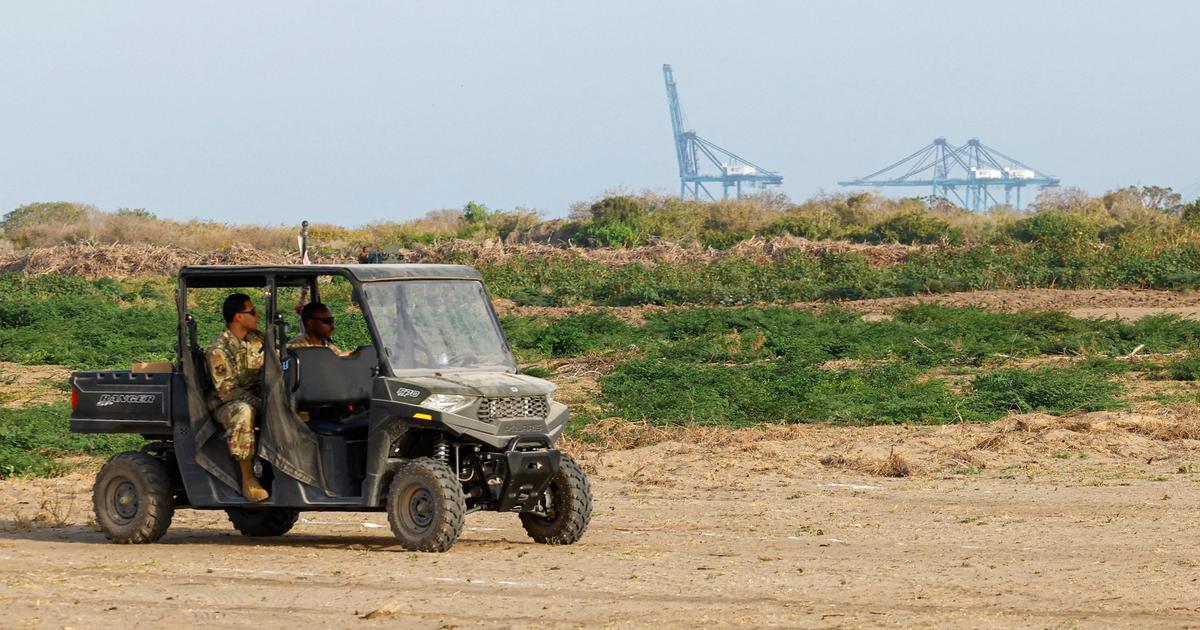
Ruto later toured Dangote’s Lagos refinery ahead of the groundbreaking ceremony, with construction equipment also docking at Lamu Port ahead of the construction.
asserted
equipment → tour → construction
 The Aporia