That is 0 articles you have read today.
The Aporia is free and carries no advertising, so readers are the only
thing paying for it. If you are getting this much out of it, a small
donation is what keeps it independent.
Daily limit reached
You have read 0 articles today.
That is more than the 15 a day The Aporia gives away,
and well past what it can carry on nothing. Your allowance resets at
midnight.
There is no advertising here and nothing about you is sold, so readers
are the only thing paying for it. If the site is worth this much of
your day, it is worth a few dollars.
Everything else stays open: the
maps, the
directory and
search do
not count against this, and neither does re-opening something you have
already read today.
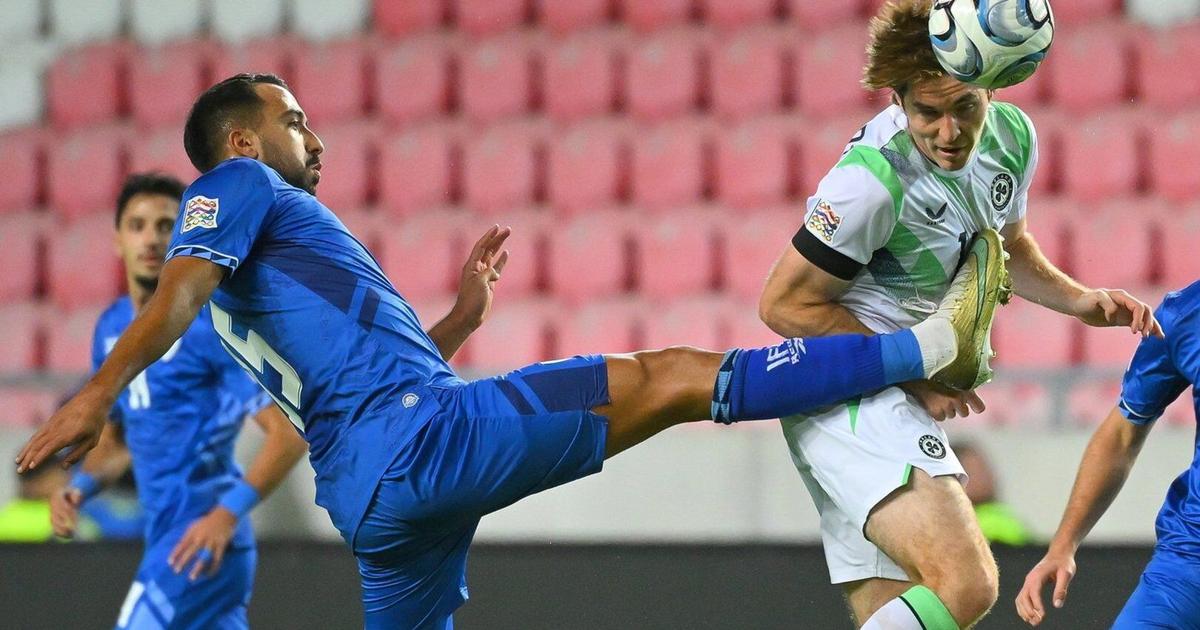
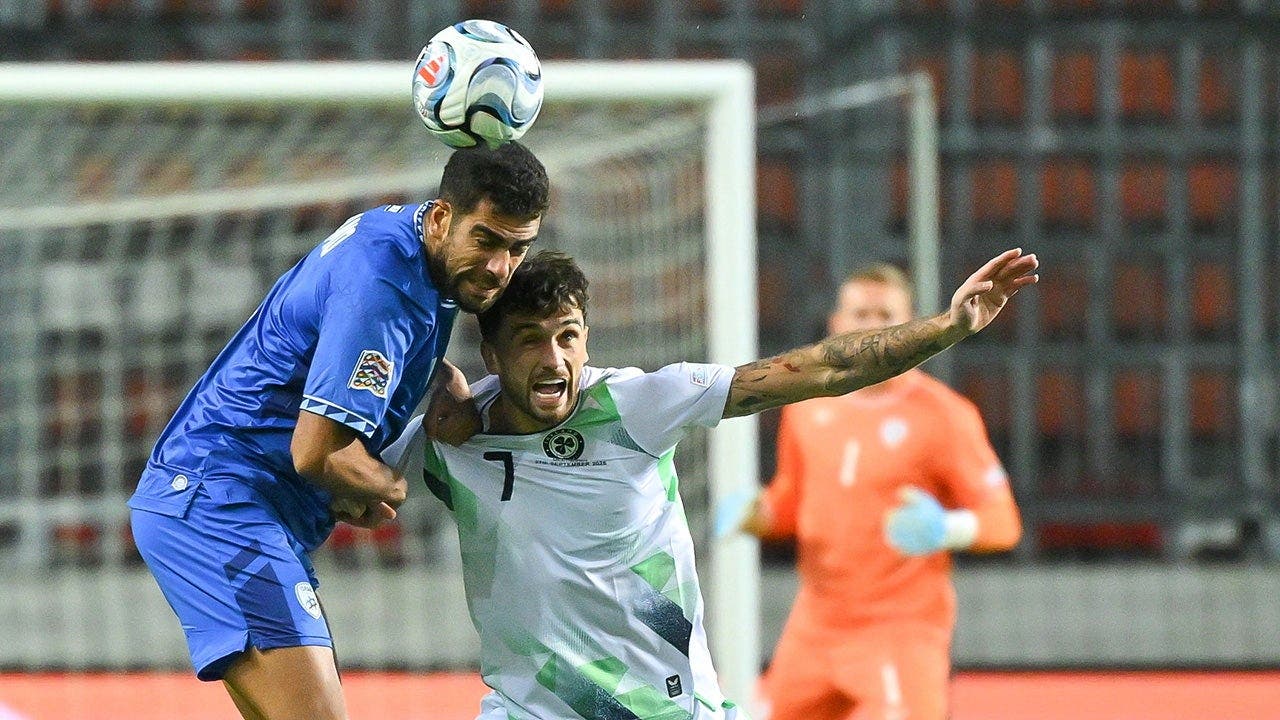
Before their Uefa Nations League game in Hungary, players from The Republic of Ireland and Israel did not shake hands or exchange pennants, despite both teams standing for their respective national anthems. This decision came amid controversy over the Israel-Gaza war, leading to calls for withdrawal by a pressure group called Irish Sport for Palestine. Notably, goalkeeper Gavin Bazunu left the squad citing personal moral objections to participating in the game. The Irish team wore black armbands as a gesture of solidarity with those affected by the conflict.
Written locally by qwen2.5:14b on 2026-09-28,
using this article's own text rather than the other coverage of the
same event (that is the story summary below).
Story summary
Jason Knight, a member of the Republic of Ireland soccer team, became the first player to publicly oppose playing an upcoming Nations League game against Israel due to the ongoing conflict in Gaza. The match was originally scheduled for Sunday at 19:45 BST in Debrecen, Hungary, with no Irish fans allowed. Pressure to boycott grew after Knight voiced his concerns following a loss to Kosovo on Thursday. Despite this, the team held an internal vote and decided by a significant majority to proceed with the game. FAI CEO David Courell confirmed the decision during a delayed press conference, stating players would wear black armbands and refrain from parts of pre-match ceremonies. The match will now go ahead as planned despite strong public sentiment in Ireland supporting a boycott due to historical ties with Palestinians.
Written for “Ireland Israel Soccer Controversy” on 2026-10-05,
grounded in this article and the 25 other(s) covering the same event.
Claims extracted
15
claim-shaped sentences
Uncertain
0%
0 of 15 hedged
Leaning
Leans left
of the writing, not the subject · beta estimate
Correction & hedging signals
78.1
corrections and hedging in what we collected;
not a measure of accuracy
Outlets on this story
26
Sports
Narrative spread
1
articles carrying this framing
- Published
The Republic of Ireland and Israel players did not shake hands with each other before Sunday's controversial Uefa Nations League game in Hungary.
asserted
players → publish → Hungary
After walking on to the pitch at Nagyerdei Stadion, the Republic of Ireland squad stood for their national anthem and appeared to bow their heads before Israel's anthem.
Following the anthems, the two teams did not line up for the traditional handshakes.
asserted
teams → walk → handshakes
There was also no exchange of pennants between Republic of Ireland captain Dara O'Shea and Israel skipper Manor Solomon, who did not shake hands.
asserted
who → be → hands
The fixtures have been embroiled in controversy since February when the two teams were drawn to play each other in Group B3.
asserted
teams → embroil → B3
The Republic of Ireland players have faced calls to withdraw from the games because of the ongoing Israel-Gaza war with a "Stop The Game" campaign - organised by the pressure group Irish Sport for Palestine - gathering pace.
However, the players voted to fulfil the fixture during a lengthy meeting at the team's hotel in Debrecen on Saturday.
asserted
players → face → Saturday
Later on Saturday, goalkeeper Gavin Bazunu confirmed he had withdrawn from the squad, saying he felt it "would be wrong to participate" in Sunday's game and the return fixture in Serbia on 4 October.
asserted
it → confirm → October
The Irish players wore black armbands, which Football Association of Ireland chief executive David Courell said on Saturday was a gesture "in recognition of all lives lost in the [Gaza] conflict".
asserted
Courell → wear → conflict
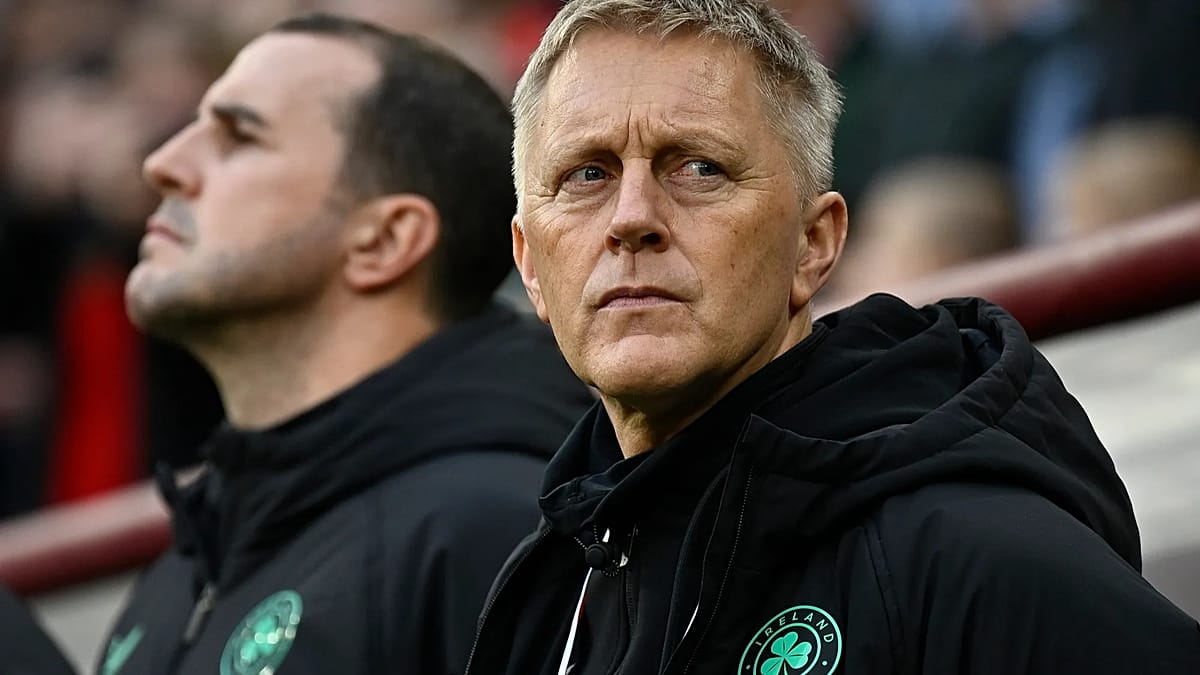
Speaking to RTE prior to kick-off, Republic of Ireland head coach Heimir Hallgrimsson spoke about the impact the intense scrutiny on the games have had on him and his squad.
asserted
scrutiny → speak → him
"It's been one of the most challenging weeks for me as a coach and I guess it is the same for most of the players.
asserted
it → guess → players
It is situations we haven't been in before," said Hallgrimsson.
asserted
Hallgrimsson → say → ?
"When we are in these positions we hope we take more right decisions than wrong but you never get everything correct.
asserted
everything → hope → wrong
"I feel for the players, a lot of young players in this squad that we need to take good care of.
asserted
we → feel → care
Honestly, there are a lot of players who have mixed emotions for this game and it is our job to protect all of them."
asserted
it → be → them
Hallgrimsson added: "As you can expect, the preparation has been probably as bad as it can be so I just hope the players come and do a good performance.
asserted
players → add → performance
We are here to play football, they are footballers and I hope they can enjoy that at least."
asserted
they → play → that
 The Aporia