That is 0 articles you have read today.
The Aporia is free and carries no advertising, so readers are the only
thing paying for it. If you are getting this much out of it, a small
donation is what keeps it independent.
Daily limit reached
You have read 0 articles today.
That is more than the 15 a day The Aporia gives away,
and well past what it can carry on nothing. Your allowance resets at
midnight.
There is no advertising here and nothing about you is sold, so readers
are the only thing paying for it. If the site is worth this much of
your day, it is worth a few dollars.
Everything else stays open: the
maps, the
directory and
search do
not count against this, and neither does re-opening something you have
already read today.
Canada’s foreign minister, Anita Anand, stated that threats to Canada's Arctic have changed significantly due to geopolitical shifts, particularly Russia’s invasion of Ukraine. Anand highlighted close coordination between Canada and the United States on Arctic security issues during a recent meeting with U.S. Secretary of State Marco Rubio. She also noted increased defence spending by the Canadian government, including plans for new submarines and fighter jets, as well as the opening of consulates in Greenland and planned expansion in Alaska to address these threats. However, polling indicates that residents of Canada’s North view the United States as the greatest threat to their region, surpassing both Russia and China.
Written locally by qwen2.5:14b on 2026-09-27,
using this article's own text rather than the other coverage of the
same event (that is the story summary below).
Story summary
Canada's foreign minister, Anita Anand, has highlighted a significant shift in threats to the Arctic, citing Russia's invasion of Ukraine as a major factor. Speaking with The West Block’s Jeff Semple, she emphasized the importance of NATO considering strategic assessments for the North and the Arctic to ensure defense and protection. Anand noted that despite political tensions, Canada and the United States remain closely coordinated on Arctic security and sovereignty issues, evidenced by their participation in recent meetings led by U.S. Secretary of State Marco Rubio. She also referenced Prime Minister Mark Carney’s decision to increase defense spending, which will directly impact northern security measures.
Written for “Canada Arctic Security” on 2026-10-05,
grounded in this article and the 0 other(s) covering the same event.
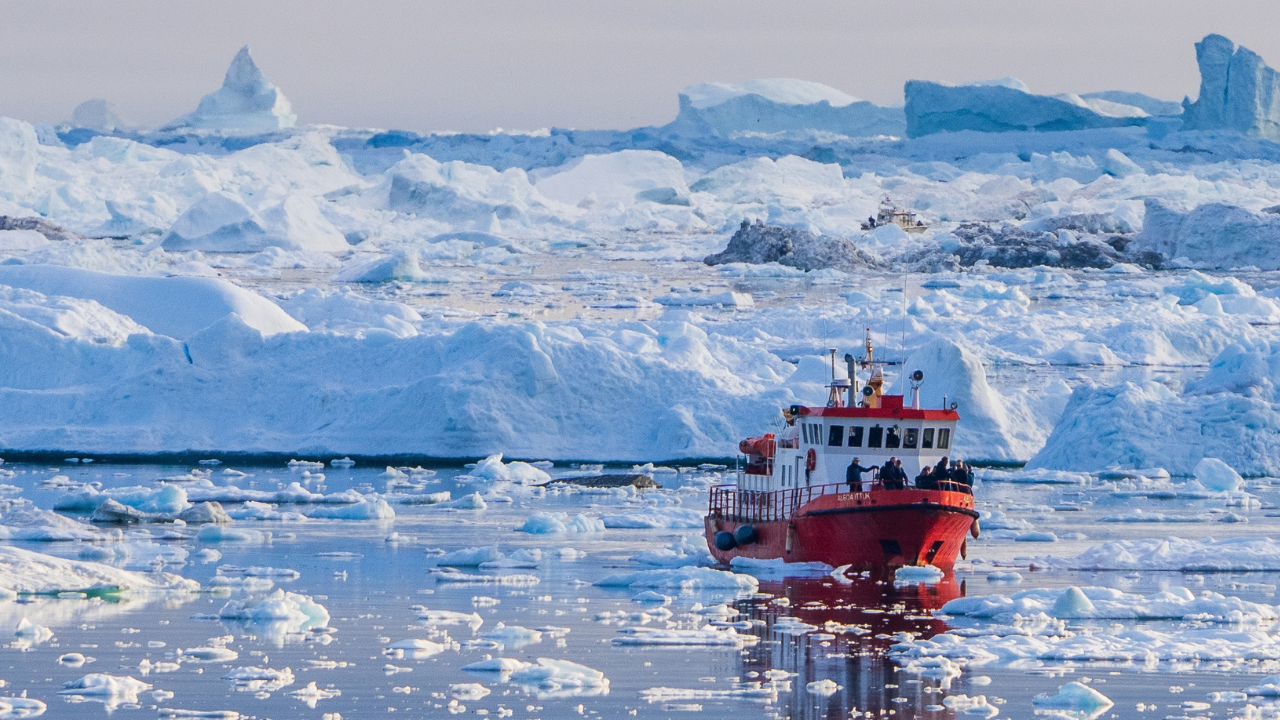
Threats to the Canadian Arctic have “shifted significantly” in recent years amidst Russia’s full-scale invasion of Ukraine and an upended geopolitical order, Canada’s foreign minister says.
asserted
minister → shift → Ukraine
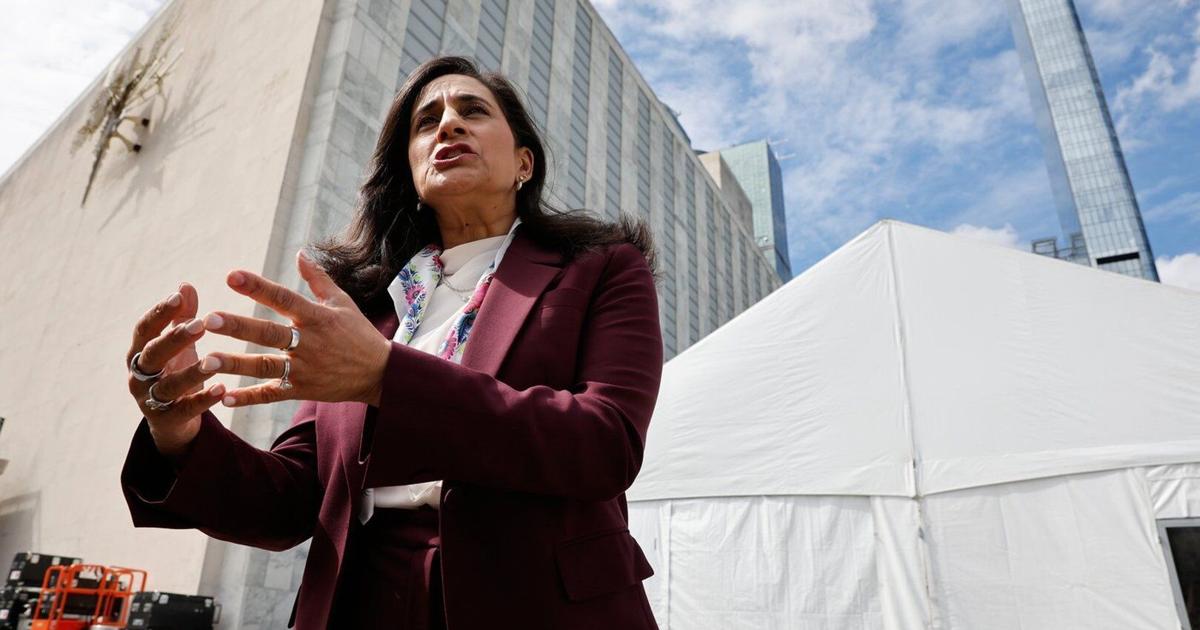
But despite political tensions, Foreign Affairs Minister Anita Anand told The West Block’s Jeff Semple that Canada and the United States remain in close coordination on Arctic security and sovereignty issues.
asserted
Canada → tell → issues
Anand said she attended a meeting of Arctic nations convened by U.S. Secretary of State Marco Rubio last week and they “had a frank discussion about the collective need to work together on Arctic security.”
asserted
they → say → security
And one of the ongoing dialogues that Secretary Rubio and I have had specifically … is in fact how can Canada and the United States ensure that our shared interests in the Arctic are advocated, are worked on within the confines of multilateral organizations including NATO.”
asserted
interests → have → NATO
Anand, who formerly served as minister of national defence under former prime minister Justin Trudeau, pointed to Prime Minister Mark Carney’s decision to ramp up defence spending and the impact that money will have on northern security.
asserted
money → serve → security
That includes a massive contract to German company TKMS to build a new fleet of as many as 12 submarines, as well as the federal governments still as-yet finalized decision to buy new fighter jets.
asserted
That → include → jets
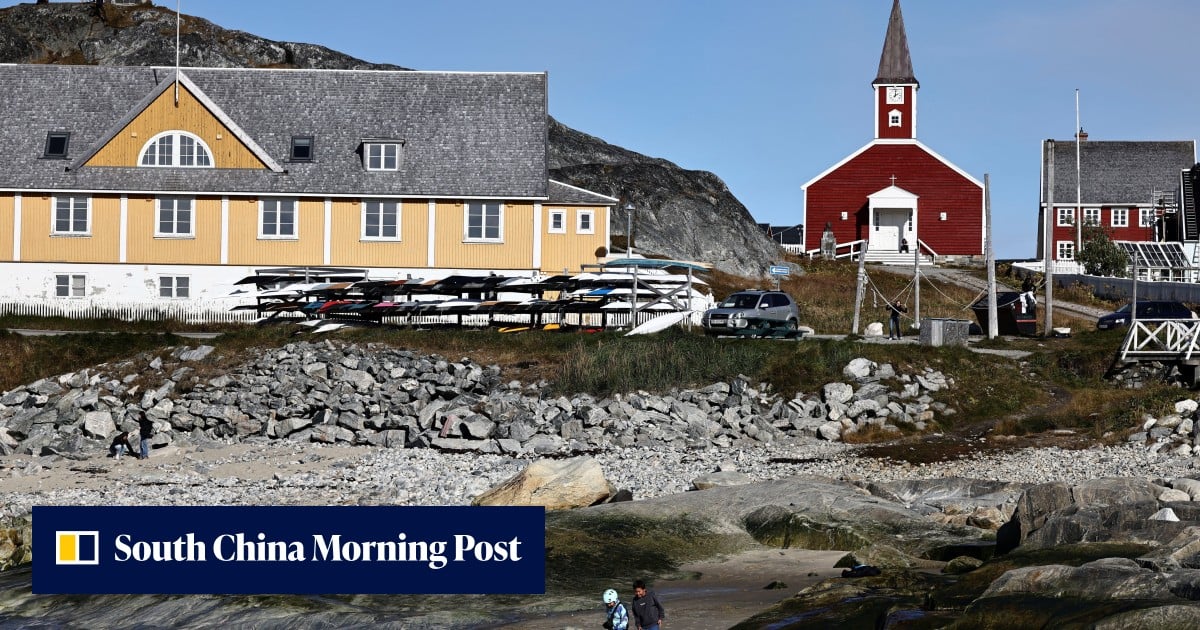
On the diplomatic front, Anand pointed to the newly-opened Canadian consulate in Nuuk, Greenland, and plans to open one in Anchorage, Alaska.
asserted
Anand → point → Anchorage
Anand said that Russia’s invasion of Ukraine in 2022 has changed thinking not only of the security environment in Europe, but in the Arctic as well.
asserted
invasion → say → Arctic
“So while Canada has Operation Reassurance on the Eastern flank, we cannot forget that NATO, the North Atlantic Treaty Organization, should have a view that is based on a strategic assessment of the North and the Arctic, in order to ensure that we are well defended and protected in terms of the Arctic, not only on the Eastern flank” Anand said.
asserted
Anand → have → flank
The threat to Canada’s Arctic maybe be shifting, but so are northerners’ perceptions of Canada’s once-closest ally.
asserted
perceptions → shift → ally
Global News reported last week that new polling suggested residents of Canada’s North — including Nunavut, the Northwest Territories, Yukon and Nunavik — view the United States as the greatest threat facing the region.
uncertain
residents → report → region
Nearly half of respondents (48 per cent) to a poll for the Observatoire de la politique et la sécurité de l’Arctique (OPSA) saw the U.S. has the greatest threat, followed distantly by Russia (30 per cent) and China (12 per cent).
asserted
U.S. → see → Russia
 The Aporia