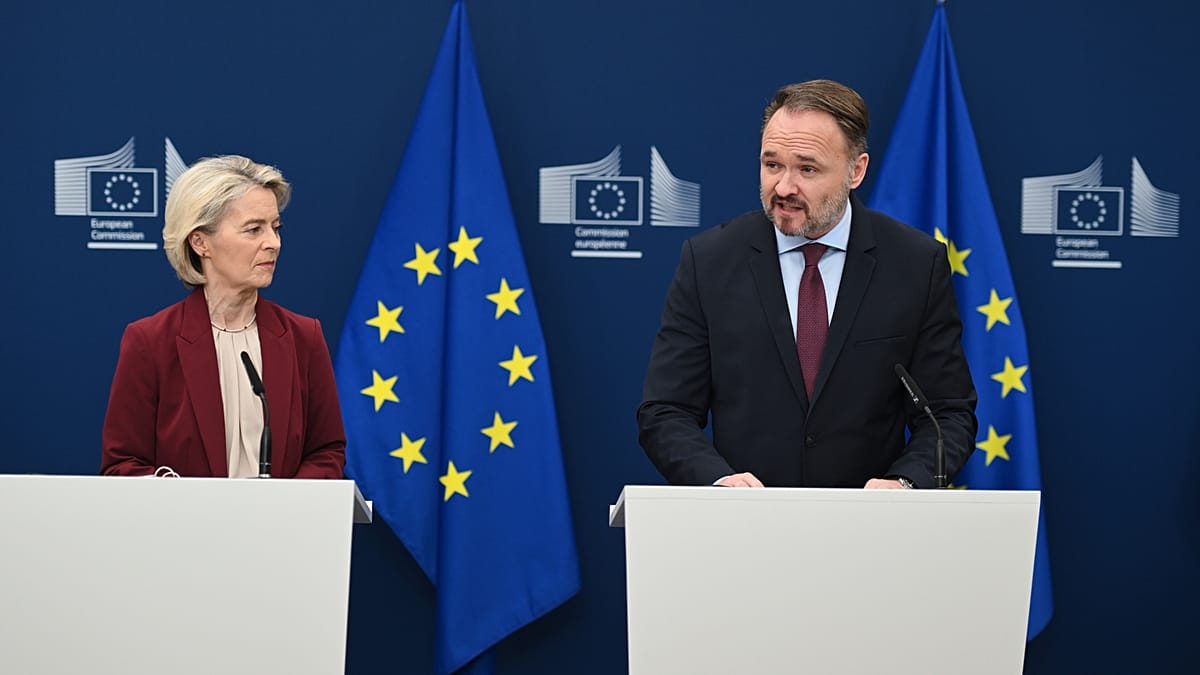
Dan Jørgensen, European Energy Commissioner, has warned EU governments to continue reducing energy consumption due to low gas storage levels and rising prices, according to a letter seen by Euronews. Current EU gas storage stands at about 70%, roughly 12 percentage points below last year's level, amid tensions in the Middle East driving up natural gas costs. Jørgensen advises on measures such as reducing electricity use during peak times and adjusting temperatures in public buildings to alleviate pressure on supplies and prices without mandating specific actions.
Written locally by qwen2.5:14b on 2026-09-27,
using this article's own text rather than the other coverage of the
same event (that is the story summary below).
Energy Commissioner Jørgensen warned capitals that the EU is not facing an immediate gas-security crisis, but it is facing a price-and-supply squeeze that could become more difficult as winter approaches, according to a letter seen by Euronews.
uncertain
winter → warn → Euronews
European Energy Commissioner Dan Jørgensen urged EU governments to continue curbing energy demand to reduce gas and electricity consumption amid "exceptionally low" storage levels, according to a letter seen by Euronews.
uncertain
Jørgensen → urge → Euronews
"I invite you to consider taking or continuing to take measures that can sustain injections or reduce gas and electricity demand for as long as necessary," reads the letter, noting that the situation "has not improved" since Jørgensen's first warning in March.
asserted
situation → invite → March
The warning comes as EU gas storage is around 70% full, roughly 12 percentage points below the same point last year, according to the latest figures from the trade association Gas Infrastructure Europe.
uncertain
storage → come → association
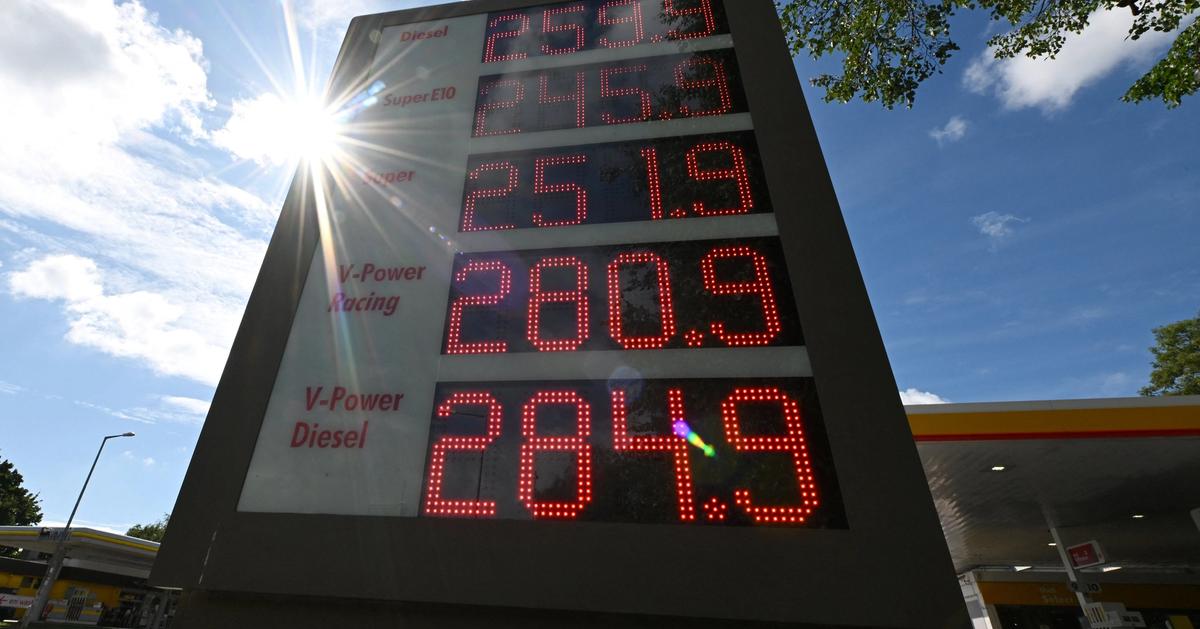
Continued disruption in the Middle East and fierce competition from Asia for liquefied natural gas (LNG) cargoes are pushing prices up, threatening a supply crisis.
asserted
disruption → liquefy → crisis
The Dutch TTF, the European benchmark for natural gas prices, is trading at around €72 per MWh, up €40MWh since the United States and Israel bombed Iran on 28 February.
asserted
States → trade → February
Analysts are warning of potential spikes above €100/MWh during peak winter if LNG export volumes from the Gulf fail to grow or if Norwegian maintenance prolongs export constraints.
asserted
maintenance → warn → constraints
The EU's top energy leader said that using less electricity at peak times can mean burning less gas in power plants, easing pressure on both gas supplies and power prices.
asserted
using → say → supplies
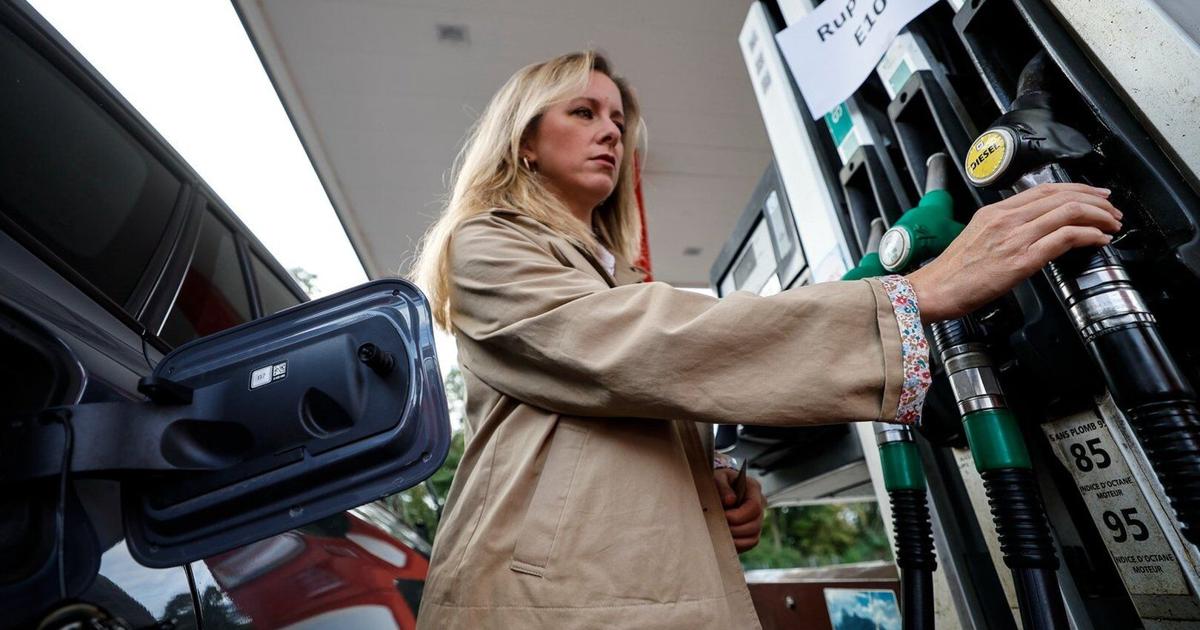
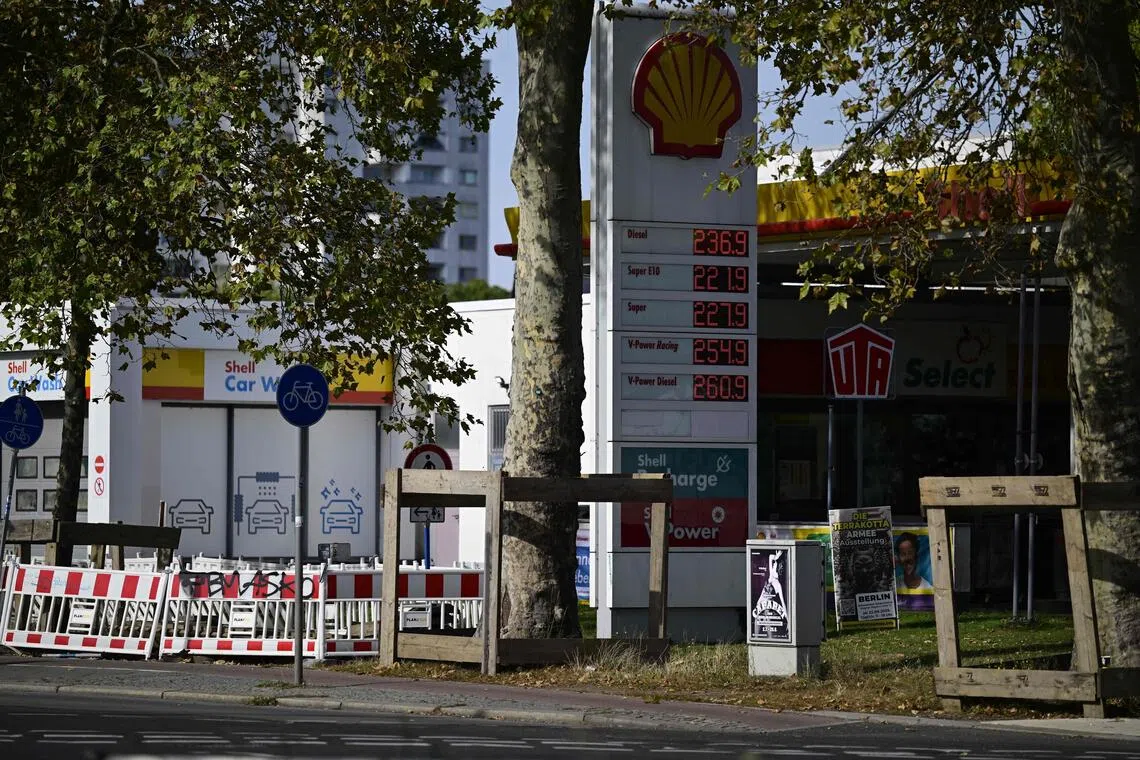
Households and businesses are already sensitive to energy bills, while governments are under pressure to cushion consumers from another price shock.
asserted
governments → cushion → shock
The Commission points specifically to measures that were used during the 2022 energy crisis, including reducing electricity consumption during peak hours, encouraging consumers to shift demand through smart meters and retail tariffs, limiting temperatures in public buildings, restricting outdoor heating and switching off unnecessary public lighting at night.
asserted
that → point → night
However, Jørgensen stops short of imposing mandatory measures.
asserted
Jørgensen → stop → measures
"Voluntary and well-planned demand reduction measures proved useful during the 2022 energy crisis, and we can draw on the lessons from that experience in the current situation," the letter reads.
asserted
letter → plan → situation
Nonetheless, the EU's energy top leader also points ministers towards their national emergency plans, which contain more serious tools that could be activated if conditions deteriorate — including interruptible gas contracts and switching power plants from gas to other fuels.
uncertain
conditions → point → fuels
No storage rush, though
Jørgensen also encouraged capitals to use the flexibility in EU gas-storage rules to avoid panic buying and consider an 80% filling target, rather than pushing aggressively towards the 90% goal.
asserted
Jørgensen → encourage → goal
Normally, filling storage is about security since more gas underground means a bigger buffer when winter demand rises.
asserted
demand → fill → buffer
But buying large quantities of gas when global markets are already tight can itself push prices higher.
asserted
itself → buy → prices
The Commission has argued that reaching 80% can be sufficient for winter security under current conditions, while allowing countries to spread purchases over a longer period and avoid a late-season scramble for gas.
asserted
countries → argue → gas
The Danish Commissioner suggested the EU is entering the winter with a more resilient energy system than it had before Russia's invasion of Ukraine, but not a comfortable one.
uncertain
it → suggest → Ukraine
"Although EU gas storage is exceptionally low and the situation remains challenging, there are currently no immediate risks to security of supply," reads the letter.
asserted
letter → remain → supply
From price to supply
Despite the reassurances, Brussels is no longer talking only about protecting consumers from high prices.
asserted
Brussels → talk → prices
It is asking EU governments to manage demand because consumption itself is becoming part of the supply problem.
asserted
consumption → ask → problem
"As we discussed in the Energy Union Task Force, we are facing a price crisis linking to a supply crisis," reads the letter.
asserted
letter → discuss → crisis
For now, Brussels remains careful to distinguish between a deteriorating price situation and an immediate physical shortage, saying there is currently no immediate risk to security of supply.
asserted
Brussels → remain → supply
The EU may have enough gas to get through the winter, but securing it could come at a much higher price, especially if global LNG markets remain tight and European countries have to compete with buyers.
uncertain
countries → have → buyers
 The Aporia