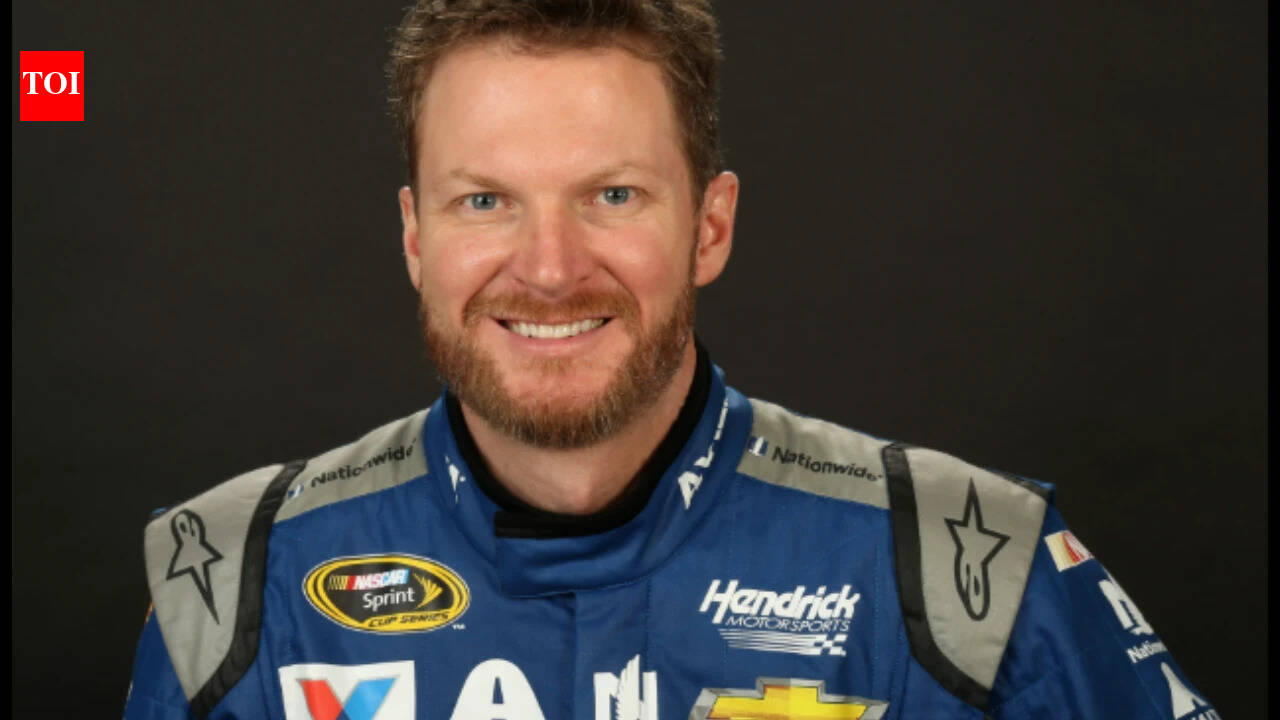
Dale Earnhardt Jr. has turned part of his property near Mooresville, North Carolina, into an unusual collection of racing history.
asserted
Jr. → turn → history
More than 75 wrecked race cars are scattered across his estate, which includes a private “Racecar Graveyard” and a Wild West-style town called Whisky River.
asserted
which → wreck → Graveyard
According to NASCAR, the idea began with cars that Earnhardt’s JR Motorsports team had damaged while competing in late-model racing.
uncertain
team → accord → racing
The team had spent money building the cars, so instead of sending the wrecked vehicles to be scrapped, Earnhardt began storing them in the woods around his property.
asserted
Earnhardt → spend → property
Over time, the collection grew and became a place for cars with links to different moments in NASCAR racing.
asserted
collection → grow → racing
Earnhardt has also imagined that the collection could remain there long after he is gone.
uncertain
he → imagine → ?
He has earlier explained that he hoped people in the distant future might walk through the woods, discover the wrecked cars and wonder why they were there.
uncertain
they → explain → cars
“Just like that Western town I built,” Earnhardt said, referring to Whisky River.
asserted
Earnhardt → build → River
“It will be there hopefully long after I’m gone, and somebody will walk back there and go, ‘What in the hell is this doing here? And who put it here?’
asserted
who → go → it
And then my name will come up, and they’ll remember me,” he added.
asserted
he → come → me
The collection is not arranged like a conventional museum.
asserted
collection → arrange → museum
Some cars have been used as trail markers, while others have been placed in unusual locations around the property.
asserted
others → use → property
Earnhardt said there are also separate car parts, including sides and noses, as well as hoods hanging from trees.
asserted
Earnhardt → say → trees
How race car graveyard began
Earnhardt’s collection goes back to the period when JR Motorsports was competing in late models.
asserted
Motorsports → begin → models
Rather than throwing away cars after they were wrecked, the team started keeping them on the property.
asserted
team → throw → property
Earnhardt said around half of the cars in the woods were connected to his company.
asserted
half → say → company
The wrecked vehicles did not simply sit unused from the beginning.
asserted
vehicles → wreck → beginning
According to Earnhardt, some were used for target practice, while others became markers along trails.
uncertain
others → accord → trails
As more race teams heard about his interest in old and damaged cars, the collection expanded beyond vehicles connected to his own team.
asserted
collection → hear → team
One of the cars came from Brad Keselowski’s family.
asserted
One → come → family
It had been owned by Keselowski’s father and was crashed by Dennis Setzer during a Nationwide race at Talladega.
asserted
It → own → Talladega
Another is one of Keselowski’s old trucks, with its front end buried in a creek.
asserted
end → bury → creek
Earnhardt also managed to collect cars connected to some memorable NASCAR incidents.
asserted
Earnhardt → manage → incidents
One example is the car Juan Pablo Montoya was driving when he struck a jet dryer at Daytona.
asserted
he → drive → Daytona
Chip Ganassi donated that car, but with a condition that photographs of it should not be taken.
asserted
photographs → donate → it
Another vehicle in the collection is the Jimmie Johnson car that was penalised over its C-posts at Daytona and was wrecked early in that race.
asserted
that → penalise → race
Some wrecked race cars were placed around Dale Earnhardt Jr.’s property.
asserted
cars → wreck → property
More cars kept arriving
Earnhardt continued adding vehicles whenever teams were willing to give them away.
asserted
teams → keep → them
In 2014, two more cars arrived after they were wrecked at Kansas.
asserted
they → arrive → Kansas
They belonged to Justin Allgaier and David Gilliland.
asserted
They → belong → Allgaier
For the Allgaier car, Earnhardt simply contacted his friend Steve Addington, who was the crew chief and competition director for owner Harry Scott Jr.’s team.
asserted
who → contact → team
Earnhardt explained why he made the request, “I know Harry Scott pretty well, so I figured if they were going to throw it away, I could at least have it.”
uncertain
I → explain → it
The collection had become large enough by then that Earnhardt could not say exactly how many cars were on his property.
uncertain
cars → become → property
The cars were spread across the woods, with additional parts and pieces stored in different places.
asserted
parts → spread → places
That became a problem when fans started asking whether they could visit the graveyard.
uncertain
they → become → graveyard
Earnhardt said he felt bad that people could not simply come and see the collection because it was located on his private property.
uncertain
it → say → property
“The hard part is, people want to know if there’s tours or if they can come look at it,” Earnhardt said.
asserted
Earnhardt → want → it
“So I feel kind of bad, because it’s on my property,” he added.
asserted
he → feel → property
One car was missing for a year
By 2019, the collection had grown to more than 75 cars and had become known as the “Racecar Graveyard” at Earnhardt’s Dirty Mo Acres estate.
asserted
collection → miss → estate
The size of the collection even meant that Earnhardt could lose track of individual cars.
uncertain
Earnhardt → mean → cars
…and 16 more, not listed.
 The Aporia