That is 0 articles you have read today.
The Aporia is free and carries no advertising, so readers are the only
thing paying for it. If you are getting this much out of it, a small
donation is what keeps it independent.
Daily limit reached
You have read 0 articles today.
That is more than the 15 a day The Aporia gives away,
and well past what it can carry on nothing. Your allowance resets at
midnight.
There is no advertising here and nothing about you is sold, so readers
are the only thing paying for it. If the site is worth this much of
your day, it is worth a few dollars.
Everything else stays open: the
maps, the
directory and
search do
not count against this, and neither does re-opening something you have
already read today.
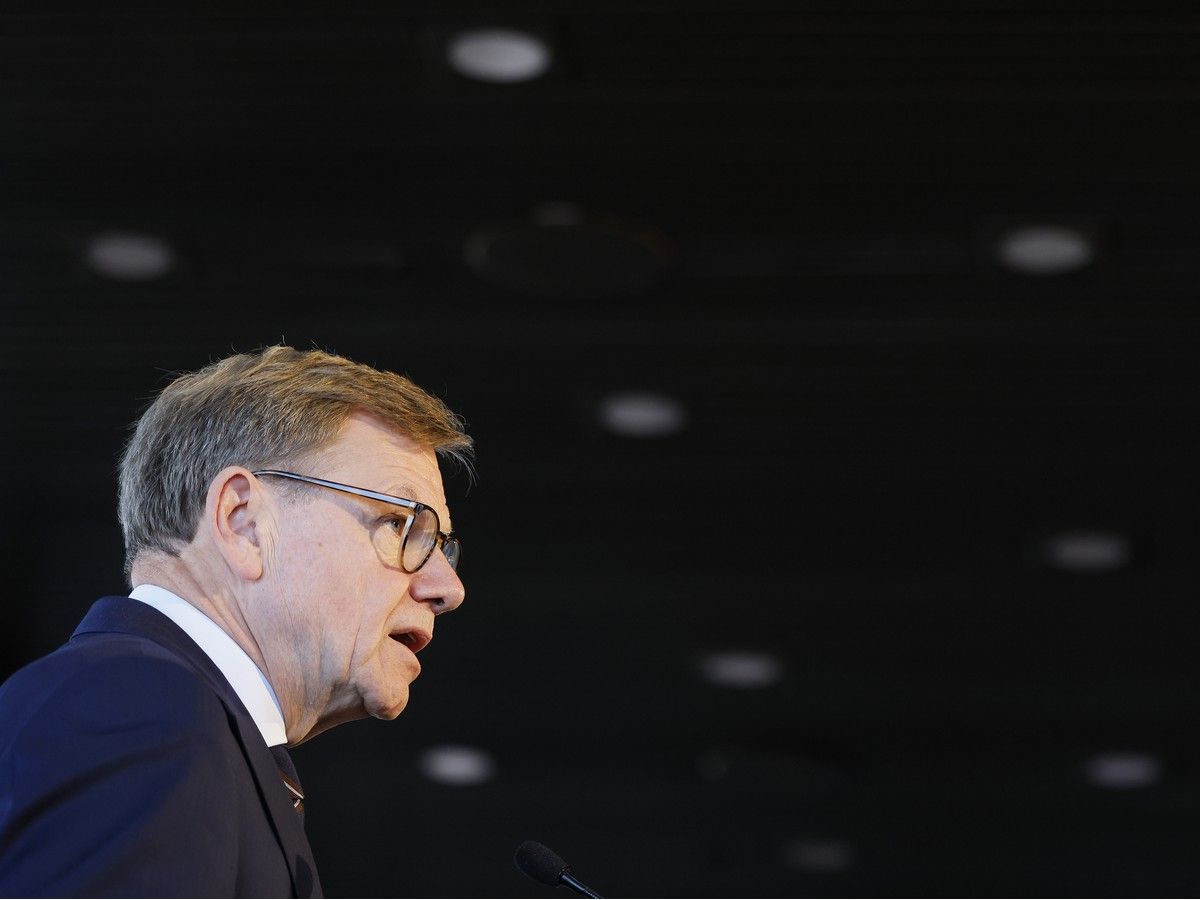
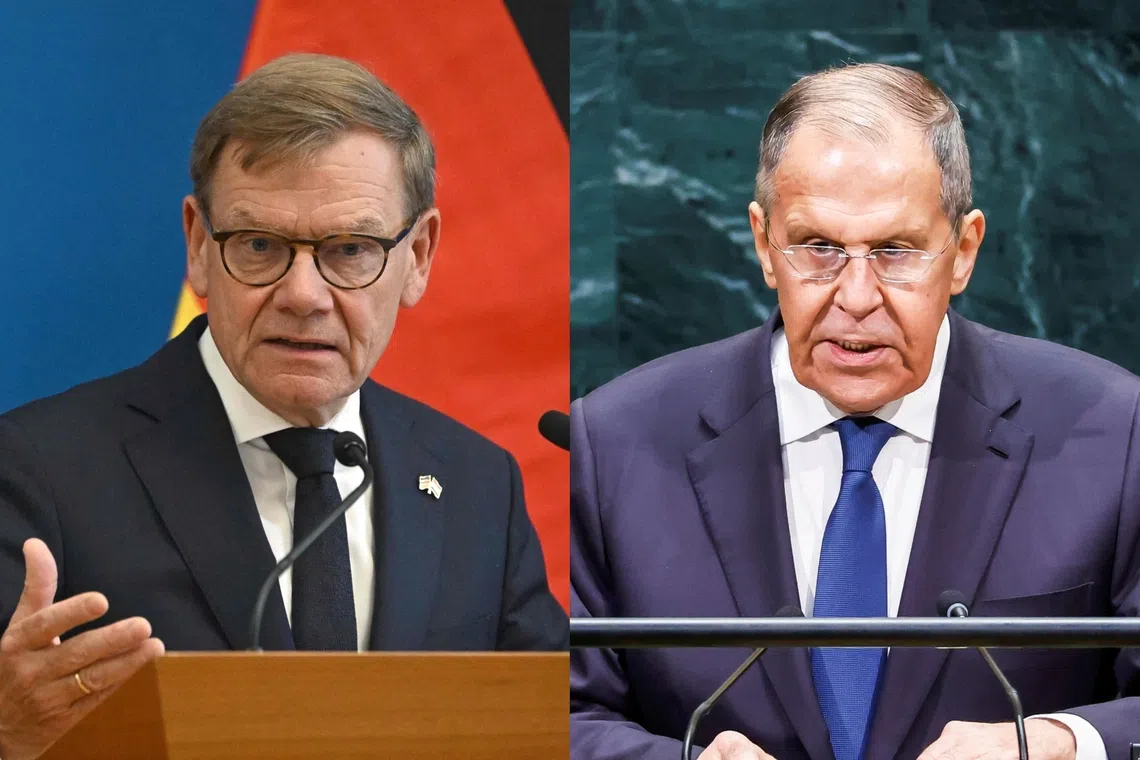
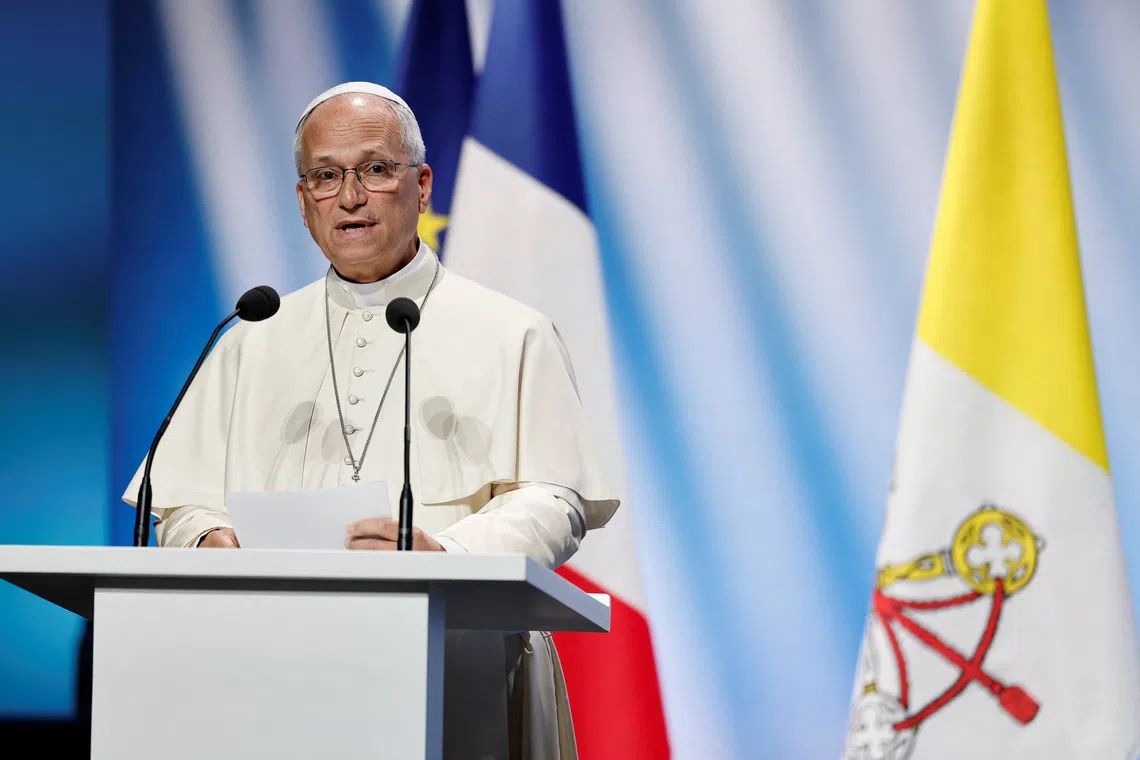
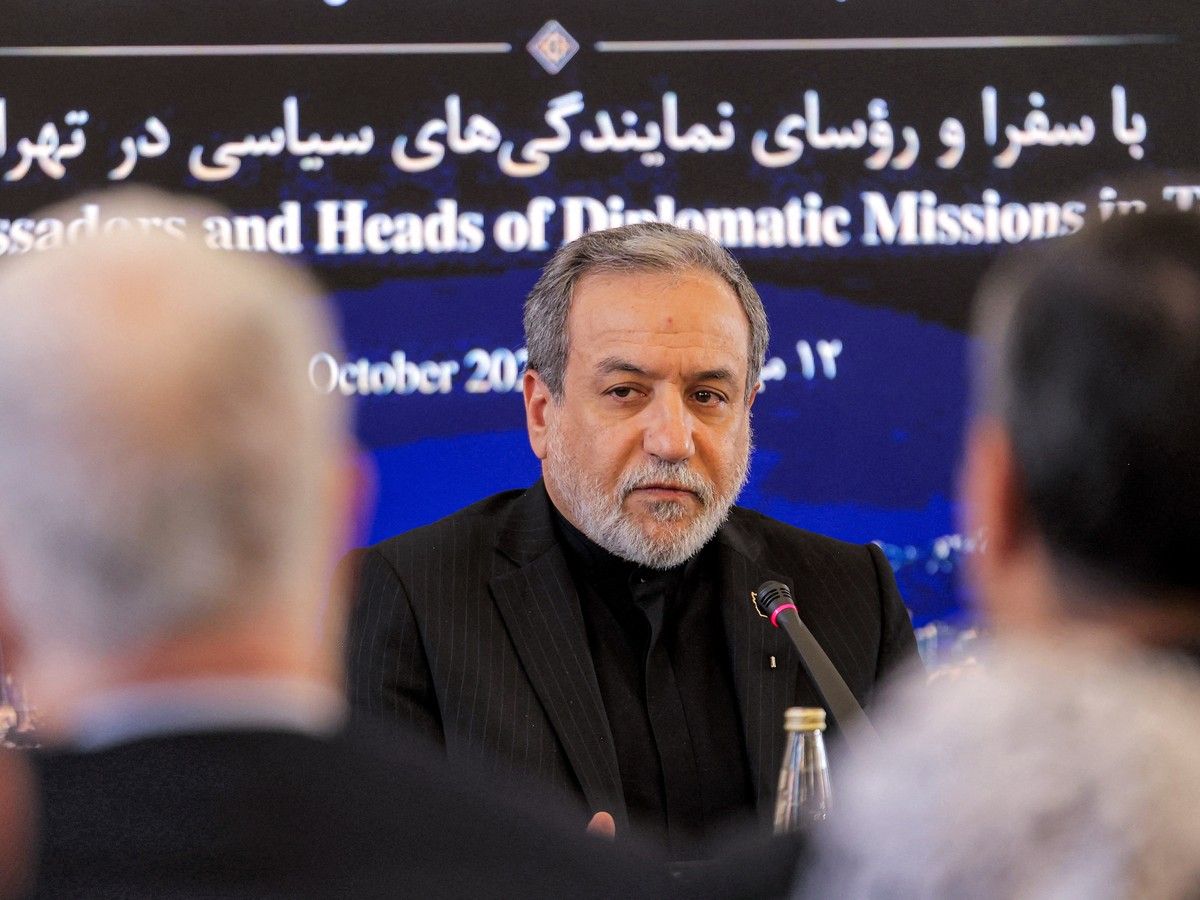
German Foreign Minister Johann Wadephul met with Russian counterpart Sergei Lavrov at the UN on Saturday, urging Russia to stop its escalatory actions against Germany, Europe, and NATO. This came amid heightened tensions following a suspected drone attack in Leipzig and reciprocal consulate closures by both nations. Wadephul emphasized that such incidents would not sway German support for Ukraine and criticized ongoing Russian aggression towards Ukrainian civilians. The meeting lasted about 20 minutes and was the first between German and Russian foreign ministers since Russia invaded Ukraine over four years ago.
Written locally by qwen2.5:14b on 2026-09-26,
using this article's own text rather than the other coverage of the
same event (that is the story summary below).
Story summary
On September 26, German Foreign Minister Johann Wadephul met with Russian counterpart Sergey Lavrov on the sidelines of the UN General Assembly in New York. This was their first meeting since Russia invaded Ukraine in 2022. Tensions between Germany and Russia have escalated recently due to an attempted drone attack at Leipzig airport, which Germany blamed on Russia, leading both nations to close each other's consulates.
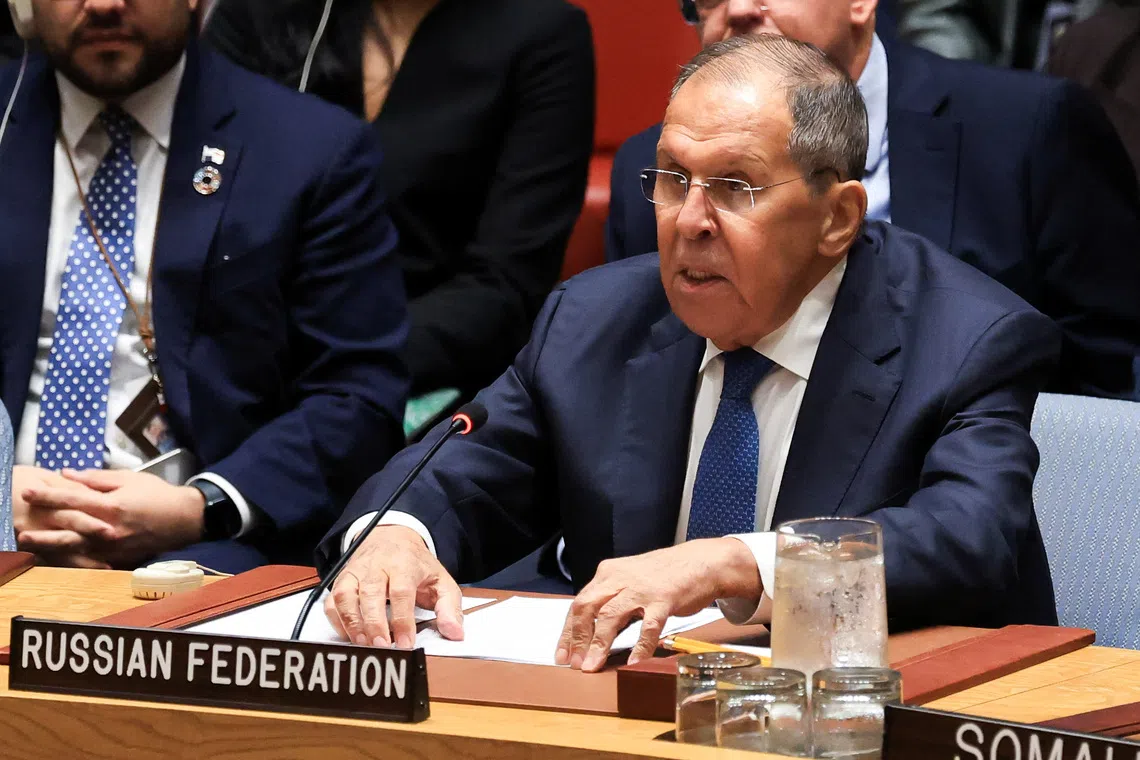
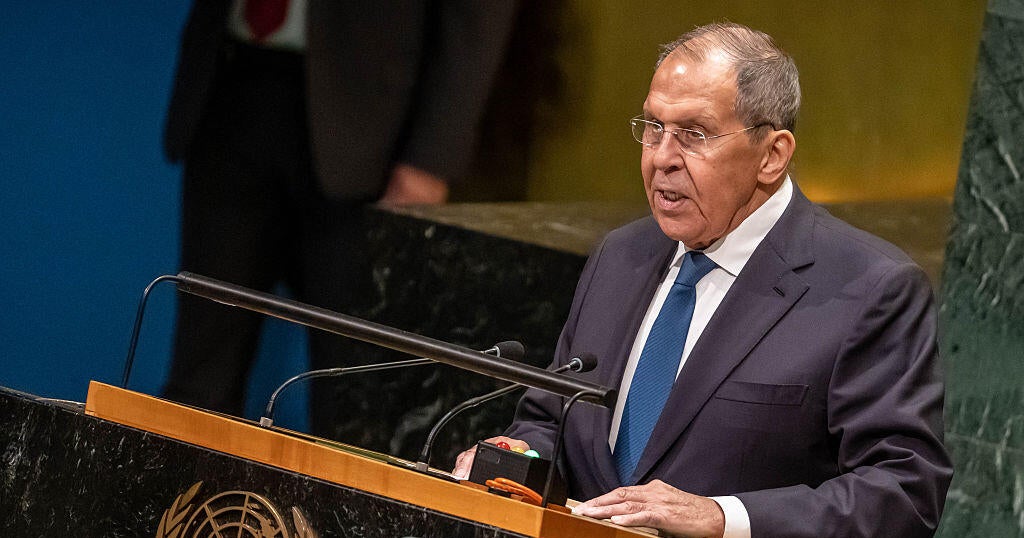
Wadephul called for Russia to abandon its "dangerous path of escalation" toward Germany, Europe, and NATO. He emphasized that incidents like the Leipzig attack would not weaken Germany’s commitment to supporting Ukraine. Lavrov, however, dismissed these concerns in his speech at the UN, accusing Germany of seeking to create a 'Fourth Reich' and fueling militarization in Europe, implying potential nuclear confrontation.
The meeting lasted around 20 minutes and ended with both ministers shaking hands, but it did not yield any significant breakthroughs or concessions from Russia on ending its war in Ukraine.
Written for “Russia Germany Diplomatic Talks” on 2026-10-05,
grounded in this article and the 6 other(s) covering the same event.
German Foreign Minister Johann Wadephul called on Moscow to “abandon its dangerous path of escalation” during a meeting with Russia’s Sergei Lavrov at the UN on Saturday, a diplomat for Berlin said.
asserted
diplomat → call → Berlin
The talks took place as tensions between Berlin and Moscow intensified in recent weeks, with Germany accusing Russia of orchestrating an attempted drone attack on Leipzig airport and each country ordering the closure of the other’s consulate.
asserted
country → take → consulate
“Wadephul called on the Russian Federation to abandon its dangerous path of escalation vis-a-vis Germany, Europe, and NATO,” the German diplomat said.
asserted
diplomat → call → Germany
“He made it clear: incidents such as the recent attempted attack in Leipzig or further hybrid assaults would not shake Germany’s resolve to support Ukraine, which has come under attack.
asserted
which → make → attack
It was the first such meeting since Moscow launched its full-scale invasion of Ukraine more than four years ago.
asserted
Moscow → launch → Ukraine
Lavrov, who was to address the UN’s gathering of world leaders in New York Saturday, last met with a German foreign minister, Annalena Baerbock, in January 2022, less than a month before Russian forces invaded Ukraine.
asserted
forces → address → Ukraine
Germany is one of Kyiv’s main allies, and relations between Moscow and Berlin — already tense before the Ukraine invasion — have deteriorated in recent days.
asserted
relations → deteriorate → days
Lavrov — Russia’s longest-serving minister — recently accused Germany of “wanting war again,” and is one of Russia’s most vocally anti-western officials.
asserted
Lavrov → serve → officials
European countries, including Germany, have sounded the alarm in recent days over what they say is increased Russian sabotage activities on their soil.
asserted
they → include → soil
Direct flights between Russia and Germany have been suspended since the invasion.
asserted
flights → suspend → invasion
The meeting Saturday was closed to media but Ukraine dominated, according to the German diplomat.
uncertain
Ukraine → close → diplomat
“The German foreign minister condemned Russia’s ongoing and increasingly targeted aggression against the Ukrainian civilian population.
asserted
minister → condemn → population
This attempt to increase pressure does nothing to change Russia’s untenable situation: every month, tens of thousands of Russian soldiers die in a hopeless war of positions, while the Russian economy continues to collapse,” the diplomat said.
asserted
diplomat → increase → positions
Before the meeting with Lavrov, the German side demanded that media access be restricted and that the opening remarks not be recorded, Moscow’s foreign ministry spokeswoman Maria Zakharova said, according to the Russia’s TASS news agency.
uncertain
Zakharova → demand → agency
She said Saturday’s meeting was initiated by Berlin and lasted about 20 minutes.
asserted
meeting → say → Berlin
 The Aporia