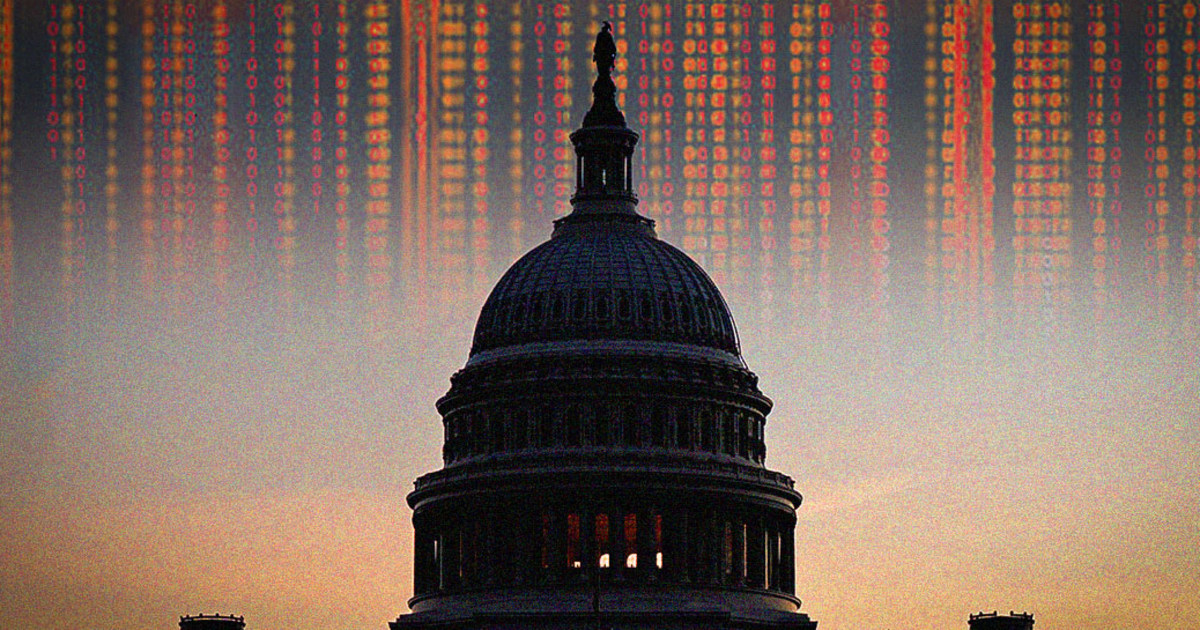
Amid warnings that artificial intelligence could soon wipe out humanity, some lawmakers are not confident that Congress has the expertise or ability to regulate AI.
uncertain
Congress → wipe → AI
“A lot of them can’t spell it,” quipped Sen. Thom Tillis, R-N.C.
asserted
Tillis → spell → it
“They just don’t have the experience.”
asserted
They → have → experience
“They still don’t know how to get on the internet,” let alone understand AI, he said.
asserted
he → know → AI
Rep. Ro Khanna, D-Calif., who represents parts of Silicon Valley, argued that many members of Congress are just not up to speed on AI, and some seem uninterested.
asserted
some → represent → AI
“The problem in Congress is not that we don’t have enough computer scientists.
asserted
we → have → scientists
It’s that we don’t have enough people who have a basic understanding of how the technology works or are using it,” Khanna said in an interview with NBC News.
asserted
Khanna → ’ → News
“It’s like talking about making the rules for driving the road.
asserted
It → ’ → road
You don’t have to be an auto mechanic, but it would be nice if you at least were a passenger in a car or had driven a car,” he continued.
asserted
he → have → car
“And we’ve had a lot of members of Congress who’ve not been passengers in a car when it comes to AI, or certainly haven’t driven it.”
asserted
it → have → it
One thing that everyone seems to agree on: Congress is not close to regulating AI.
asserted
Congress → seem → AI
Capitol Hill has been notoriously slow to regulate new technology.
asserted
Hill → regulate → technology
It hasn’t passed any sweeping, comprehensive legislation regulating the internet, invented more than 40 years ago, instead taking a more piecemeal approach and relying on existing laws.
asserted
It → pass → laws
And exactly 20 years after Facebook became available to the public, lawmakers are still struggling to figure out how to regulate social media.
asserted
lawmakers → become → media
New rules aimed at protecting kids online are popular in theory, but actual legislation remains stalled, with House and Senate negotiators deadlocked on the issue.
asserted
negotiators → aim → issue
“This is the United States Congress you’re talking about.
asserted
you → talk → ?
I mean, nothing moves very quickly,” said Sen. Mark Kelly, D-Ariz., a former astronaut and Navy combat pilot who backs AI regulation.
asserted
who → mean → regulation
It’s “much easier” to fly a fighter jet than to pass AI legislation, he added.
asserted
he → ’ → legislation
But while there are plenty of skeptics who believe Congress doesn’t have the capability to tackle AI regulations, there are optimists who think it does.
asserted
it → be → regulations
One is Rep. Don Beyer, D-Va., who is pursuing a master’s degree in machine learning at George Mason University to keep pace with new technology.
asserted
who → pursue → technology
Beyer served on the bipartisan House Task Force on Artificial Intelligence and now serves on a Democratic commission on AI.
asserted
Beyer → serve → AI
“Oh, I very much think there’s a capacity here.
asserted
I → think → ?
Yeah, you don’t need to be a Ph.D. or a master’s in computer science to know what to do next,” said Beyer, who is 76.
asserted
who → need → what
“I think the parallel is we don’t have to be biologists or chemists to set up the FDA, or lawyers or stockbrokers to set up the SEC.
asserted
we → think → SEC
There are 12 to 20 members of Congress already, just in the House, that have AI bills.
asserted
that → be → bills
”
What’s blocking any significant legislative movement on AI is political will from Republicans, he argued.
asserted
he → block → Republicans
“I think we definitely have the capacity.
asserted
we → think → capacity
What we need is a speaker who will let us put the bills on the floor,” said Beyer, who has been advocating for Democratic leaders to create a select committee on artificial intelligence if the party wins control of the House this fall.
asserted
party → need → House
Democrats, a handful of Republicans and key tech leaders believe that Congress needs to step in now and regulate the AI industry following high-profile AI breaches.
asserted
Congress → believe → breaches
“AI is certainly powerful enough to drive events that … cause a billion deaths,” Microsoft co-founder Bill Gates said in an interview with Kristen Welker that will air Sunday on NBC News’ “Meet the Press.”
asserted
that → drive → Press
“No one thinks self-regulation is enough,” he added.
asserted
he → think → ?
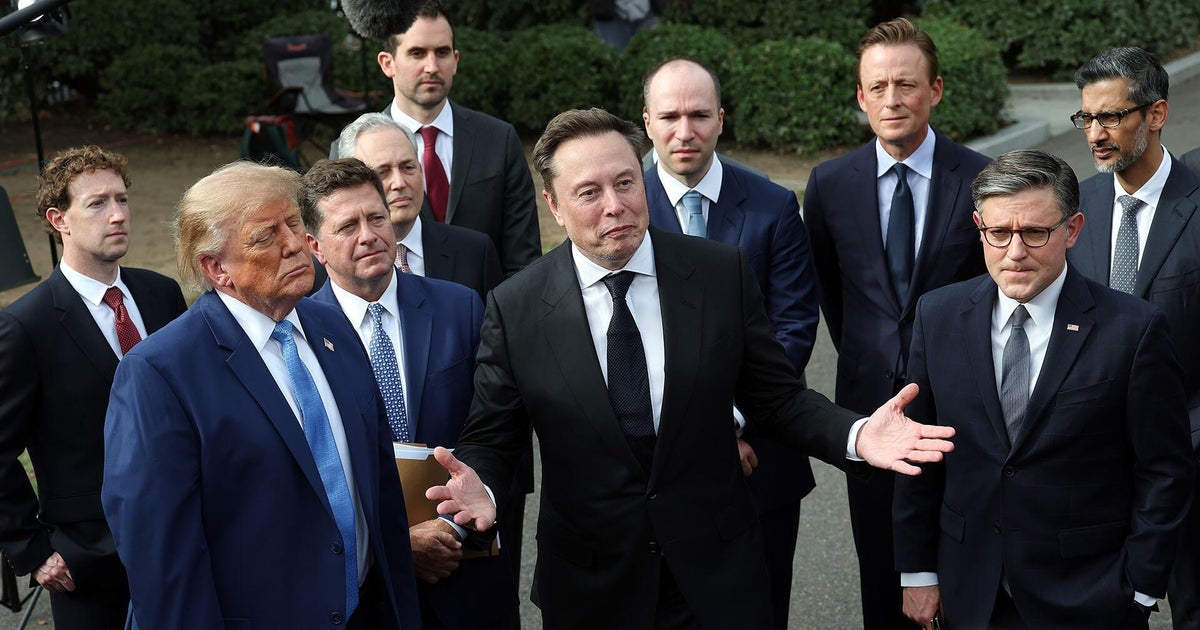
President Donald Trump and House Speaker Mike Johnson, R-La., will host an AI summit with tech leaders in Washington on Tuesday, according to a White House official and a source familiar with the plans.
uncertain
Trump → host → plans
But, given their past comments, it’s likely to focus more on tech innovation and competition than on reining in the companies.
asserted
it → give → companies
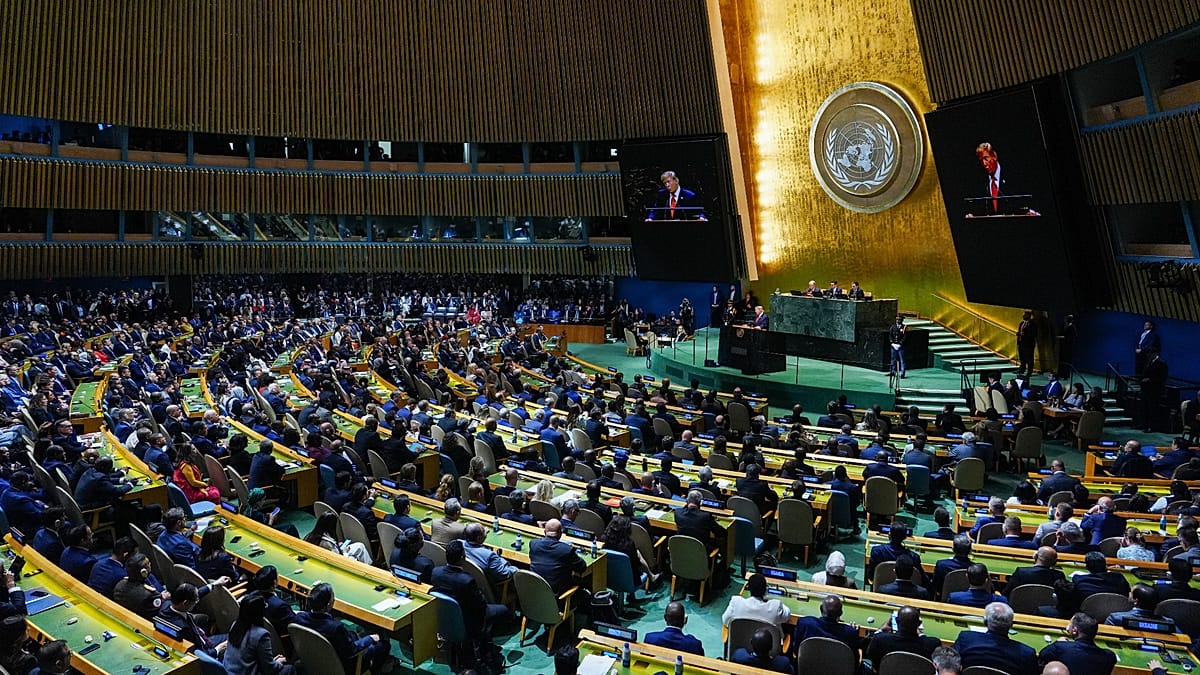
Trump has repeatedly said that he does not want to “stifle growth of something that will be bigger than the industrial revolution,” as he put it in a speech to world leaders at the United Nations General Assembly this week.
asserted
he → say → Assembly
“We’re going to encourage it, not rein it in,” Trump said.
asserted
Trump → go → it
He has also dismissed the recent apocalyptic warnings as a “hoax” and said regulations will impede America in its race with China for AI dominance.
asserted
regulations → dismiss → dominance
Johnson has said some safety guardrails are needed but has argued Congress should not get in the way of American innovation.
asserted
Congress → say → innovation
At a recent campaign rally, Sen. Jon Ossoff, D-Ga., who is running in one of the most competitive Senate races in November and is mentioned as a potential 2028 presidential candidate, blamed Trump and the “weakness of our politics” for congressional inaction on AI.
asserted
who → run → AI
“Tech titans dig bunkers while warning us the new intelligence they’re creating risks human extinction.
asserted
they → dig → extinction
Congress debates youth sports, and the president builds a ballroom,” Ossoff said.
asserted
Ossoff → debate → ballroom
…and 19 more, not listed.
 The Aporia