Story summary
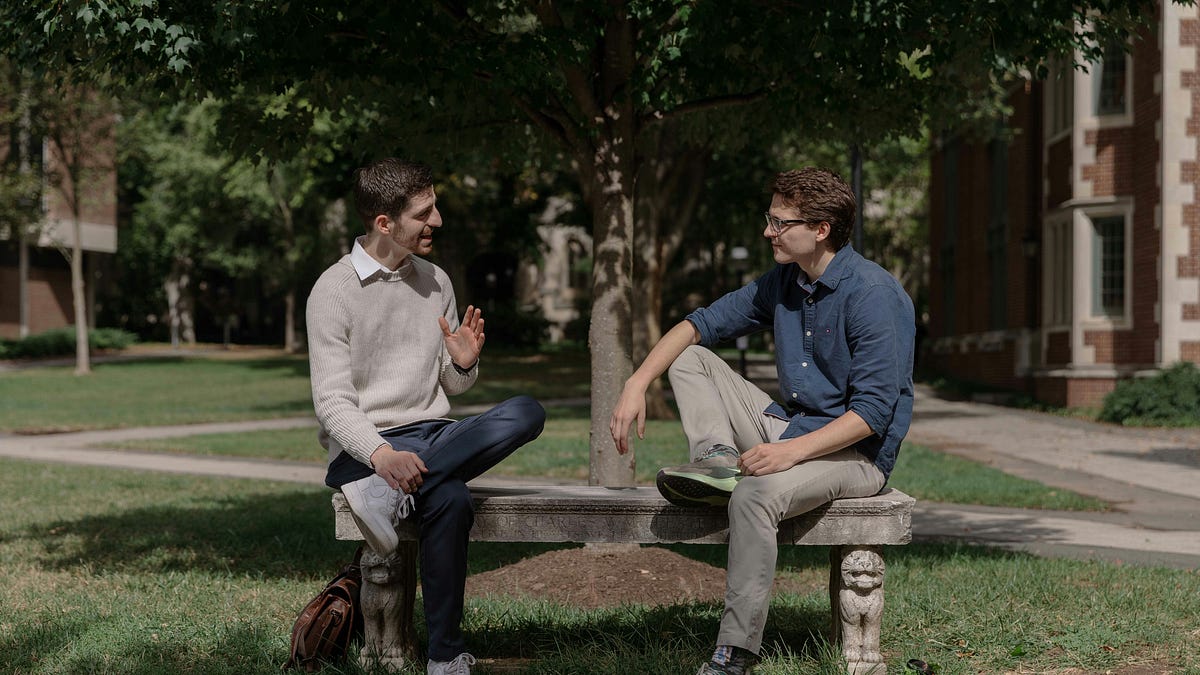
In a surprising turn of events, two young philosophy PhD students at Princeton University have recently converted from atheism to Catholicism. Similar to C.S. Lewis's journey of intellectual and spiritual transformation, these Gen Z philosophers initially dismissed the existence of God but later found compelling arguments in Christian philosophical works that changed their views. One student, Joe Schmid, aged 26, was previously an ardent atheist who spent years debating against faith on his YouTube channel before eventually embracing Catholicism.
This story highlights the intersection between academic study and personal belief, illustrating how rigorous intellectual exploration can lead to profound changes in religious conviction. The conversion of these students comes amid a broader narrative about ideological shifts among young Americans, including discussions around China, progressive parenting, and LGBTQ+ rights, as detailed in other segments of "The Weekend Press."
Written for “Philosophers Become Catholic” on 2026-10-05,
grounded in this article and the 0 other(s) covering the same event.
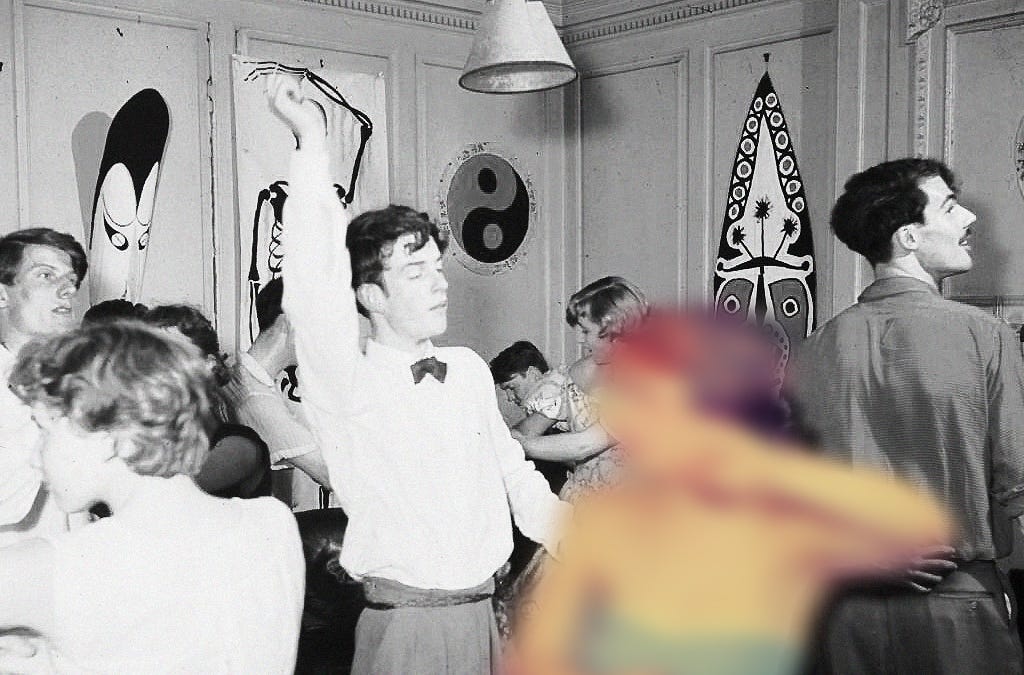
Today, Rob Henderson on why young Americans are falling for communist China.
asserted
Americans → fall → China
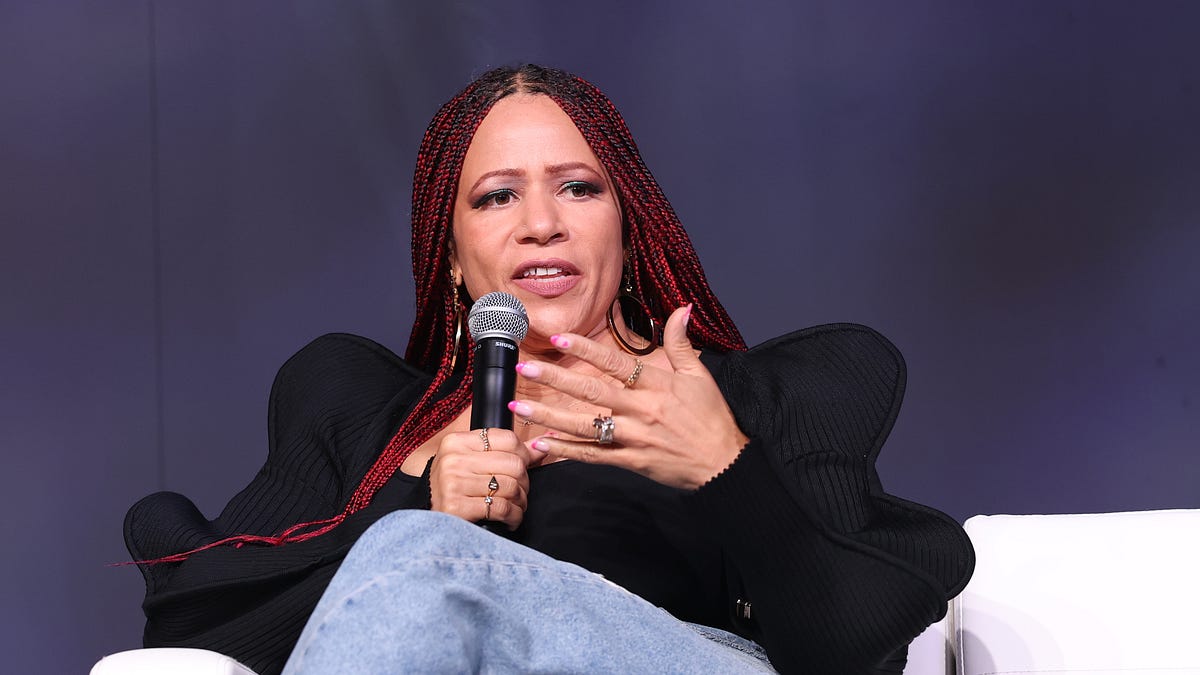
And River Page drinks with Rachel Dolezal, America’s most famous “trans-black” woman, who has just qualified as a sex therapist . . .
But first: Can you study your way into believing in God?
C.S. Lewis, for one, did it.
asserted
Lewis → drink → it
After his childhood faith waned and he entered college a staunch atheist, the Chronicles of Narnia author eventually reasoned his way into believing again.
asserted
author → wan → way
When he was a young professor at Oxford, he read the works of several Christian philosophers and they made a lot of sense to him.
asserted
they → read → him
He knelt in prayer after feeling the presence of God, conceding his atheism was wrong.
asserted
atheism → kneel → God
He would later describe himself as “the most dejected and reluctant convert in all England.”
asserted
He → describe → England
More recently, a couple of Gen Z philosophy PhD students at Princeton have undergone remarkably similar conversions.
asserted
couple → undergo → conversions
In our lead essay today, Suzy Weiss speaks to Joe Schmid, 26, who believed that the existence of God could never be proven—and spent years arguing against the case for God on his YouTube channel, Majesty of Reason—until he started to study miracles.
uncertain
he → speak → miracles
“I just sort of was like, okay, I give up, I’ve lost, God has won, and I’ve got to become Catholic,” he said.
asserted
he → give → ?
Also, he became a vegan.
asserted
he → become → ?
His friend and colleague Noah McCay, 27, has also converted—to both Catholicism and veganism—and there are a couple of other members of their faculty who are thinking about following in their footsteps.
asserted
who → convert → footsteps
So Suzy took the train down from New York City to New Jersey to see what’s in the water at this Ivy League department.
asserted
what → take → department
Philosophy is supposed to be a field where reason trumps faith.
asserted
reason → suppose → faith
In the secular halls of academia, anyone who thinks about creation long and hard enough is supposed to come to the conclusion that there is no Creator.
asserted
who → think → conclusion
But did these boys study their way into believing, or was the intervention more divine than that?
asserted
intervention → study → that
‘Second Thought’
TikTok’s “Queen of Confidence,” Serena Kerrigan, went on more than 50 virtual dates to figure out what’s wrong with modern courtship—then wrote a book about it, called Let’s F*cking Date.
asserted
what → go → Date
On the latest episode of Second Thought, she explains why men should plan and pay for the date: because women are busy making themselves the “prize.”
asserted
themselves → explain → date
And she gives Suzy Weiss and Dan Ahdoot one line of advice on finding the one.
asserted
she → give → one
Listen wherever you get your podcasts, or watch below:
asserted
you → listen → podcasts
This week, Katie Herzog wrote about the queer bar that got canceled for lifting its extremely strict mask mandate; Coleman Hughes reacted to the viral “New York Times” piece about the progressive mom who put her kid in a failing school for ideological reasons; and Madeleine Kearns wrote a tribute to her friend Dovie, who proved that even a life of unimaginable adversity is one worth living.
asserted
life → write → adversity
Knock Knock, It’s Cupid!
asserted
It → knock → Knock
Your special someone could be just one email away: If you’d like to take a chance at Free Press love, write a paragraph that defines you, including your age, where you live, and what you’re looking for, and send it over to Cupid@TheFP.com.
uncertain
you → like → Cupid@TheFP.com
How should you spend the rest of your weekend?
asserted
you → spend → weekend
We asked our editorial fellow Tanner Nau for his recommendations . . .
🍺Drink . . . beer.
asserted
We → ask → recommendations
Last week, Will Rahn recommended ginger beer to y’all.
asserted
Rahn → recommend → all
As much as I would like to completely endorse this recommendation, I need to amend it: I’ve never fancied the spice of the ginger root.
asserted
I → like → root
I prefer water, malted barley, hops, and yeast.
asserted
I → prefer → water
Today, you’ll find me sipping Miller Lite and admiring the glow of college football on my television.
asserted
me → find → television
The 2006 thriller featuring the improbable Lightning McQueen is back in theaters to mark its 20th anniversary.
asserted
thriller → feature → anniversary
After a handful of subpar Cars sequels, I’m ready to see the original again.
asserted
I → ’m → original
Nothing short of a cultural icon, Lightning McQueen (ka-chow!) should still inspire Americans today.
asserted
Nothing → inspire → Americans
He’s as American as it gets: gritty, unflinchingly competitive, and yearns for the open road.
asserted
it → ’ → road
Catch it in theaters before it is too late and “Real Gone” for good.
asserted
it → catch → theaters
Yesterday, I ordered my first-ever pumpkin spice latte to celebrate this week’s cool weather.
asserted
I → order → weather
Soon, the leaves will begin to fall, and our two-month-long pleasant chill will turn into a bitter winter.
asserted
chill → begin → winter
I always miss this season during other parts of the year, so I’m trying to squeeze out as much of it as I can.
asserted
I → miss → it
That’s all, folks!
asserted
That → ’ → ?
 The Aporia