Only at the United Nations can a journalist walk through a corridor and suddenly find himself face to face with a prime minister, pause before a sculpture symbolising peace, read the words of a Persian poet written on a wall, and then rush outside to report on a protest against a war thousands of miles away.
asserted
journalist → walk → miles
For five days, I lived inside that extraordinary contradiction while covering the high-level debate of the 81st United Nations General Assembly in New York.
asserted
I → live → York
The official high-level week brought heads of state and government from around the world to the UN headquarters between September 22 and 26.
asserted
week → bring → September
The first thing one begins to notice at the United Nations is the art.
asserted
one → begin → Nations
There are sculptures, statues and works donated by countries that seem to confront you at every turn.
asserted
that → be → turn
They are reminders of peace, humanity, war and the hope that nations can somehow learn to live together.
asserted
nations → learn → peace
Even before you enter the United Nations, the place begins to tell its story.
asserted
place → enter → story
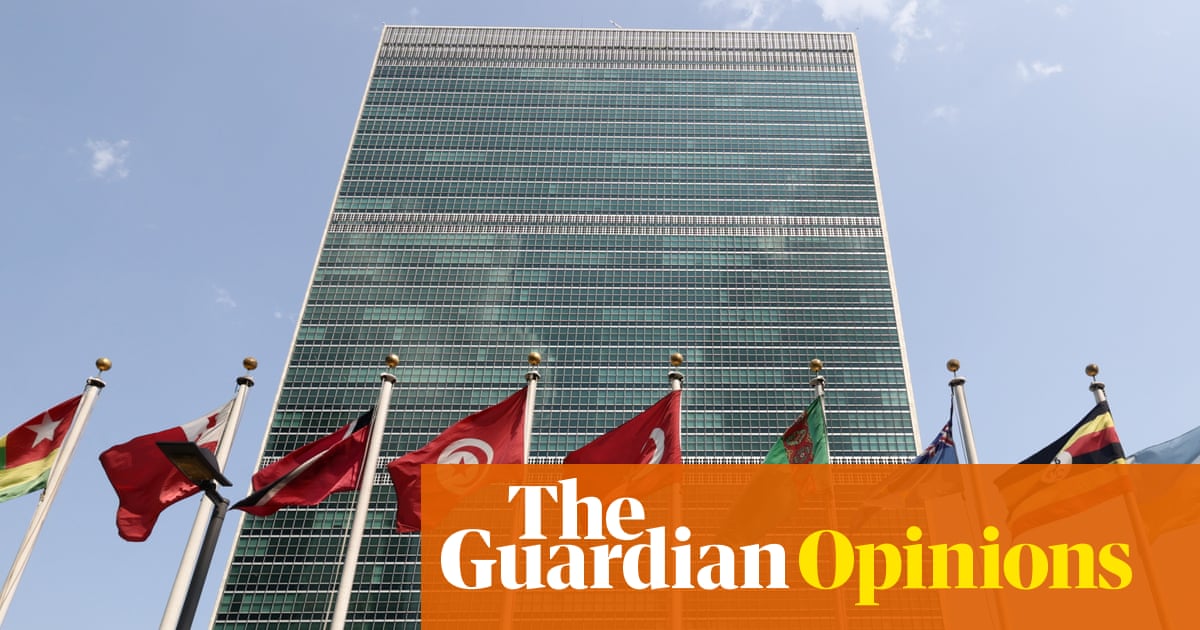
As you approach the Secretariat Building, you encounter Barbara Hepworth’s Single Form, the large abstract bronze standing beside the circular pool.
asserted
you → approach → pool
Donated by Jacob Blaustein, it rises quietly against the building, its simple, powerful shape inviting a visitor to pause before entering a place where the world’s conflicts are debated.
asserted
conflicts → donate → place
Nearby stands St. George Slaying the Dragon, a sculpture presented to the United Nations by the Soviet Union.
asserted
George → stand → Union
The familiar image of St. George defeating the dragon takes on a different meaning here, surrounded by the flags and institutions of an organisation created in the aftermath of war.
And then there is Antun Augustinčić’s Peace Monument, the mounted figure holding a sword and an olive branch.
asserted
George → defeat → sword
The Yugoslav/Croatian sculptor had wanted its silhouette to be visible from the East River, so that the idea of peace could announce itself even before a visitor reached the building.
uncertain
visitor → want → building
Further along is Carl Fredrik Reuterswärd’s Non-Violence, the bronze revolver with its barrel tied into a knot, a gift from Luxembourg.
asserted
barrel → tie → Luxembourg
Nearby, Evgeniy Vuchetich’s Let Us Beat Swords into Ploughshares shows a man transforming a sword into a tool for cultivating the earth.
asserted
man → let → earth
Taken together, these sculptures seem to form a kind of preface to the United Nations: the human figure, the struggle against violence, the rejection of weapons and the hope that instruments of destruction can be transformed into instruments of peace.
asserted
instruments → take → peace
And then you enter the building, where the symbols continue.
asserted
symbols → enter → building
On an entrance are the words of the great Persian poet Saadi, reminding us that human beings are parts of one body, created from the same essence — and that when one part suffers, the others cannot remain at peace.
And then, inside the building, you encounter the words of Saadi, the great Persian poet, written on a wall.
asserted
you → remind → wall
His famous lines describe human beings as parts of one body, created from the same essence.
asserted
lines → describe → essence
When one part suffers, the others cannot remain at peace.
asserted
others → suffer → peace
I kept returning to those words during these five days.
asserted
I → keep → days
Because almost everywhere I looked, I saw the world struggling with the very idea they express.
asserted
they → look → idea
Gaza dominated conversations inside the building and protests outside it.
asserted
Gaza → dominate → it
The war in Ukraine continued to draw attention, while India and Pakistan brought their familiar confrontation to the international forum.
asserted
India → continue → forum
The United Nations seemed to contain the whole contradiction of our age: an institution built on the idea that humanity can act together, confronted every day by evidence of how difficult that remains.
asserted
that → seem → evidence
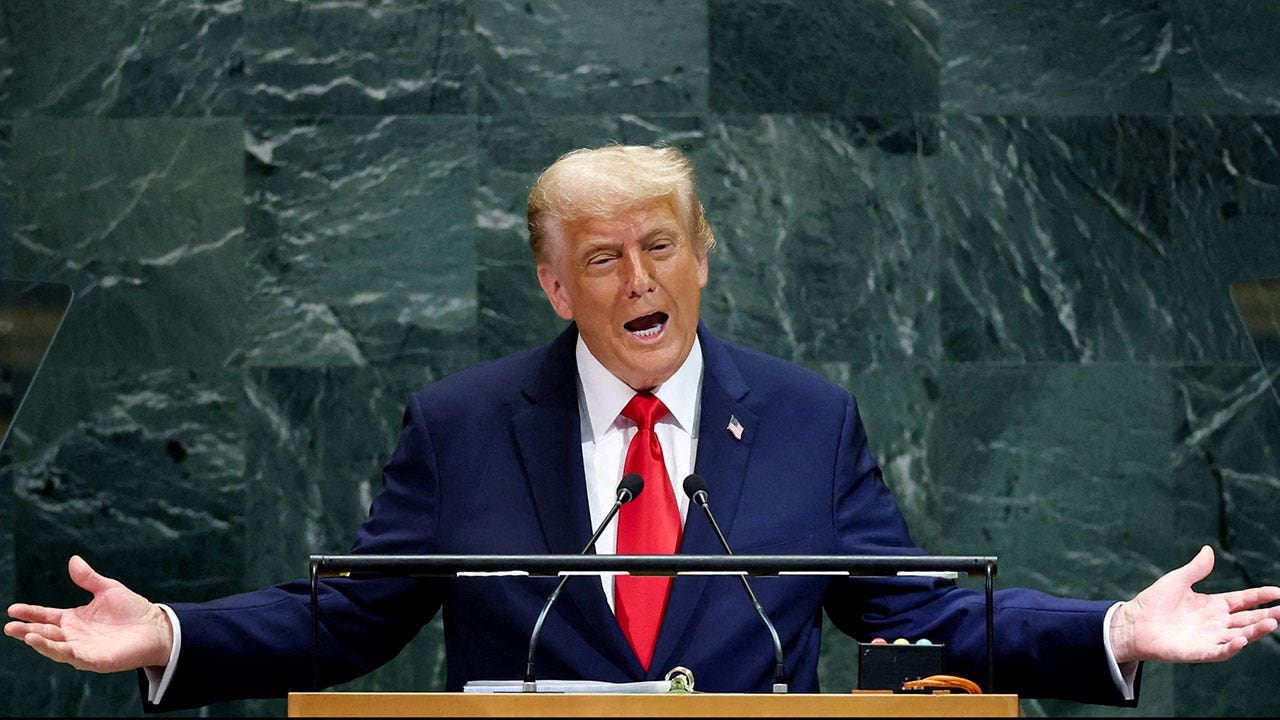
Outside the gates, protesters gathered in large numbers as Israeli Prime Minister Benjamin Netanyahu arrived to address the UN General Assembly.
asserted
Netanyahu → gather → Assembly
Inside, delegations walked out during his speech.
asserted
delegations → walk → speech
And there I was, moving between the demonstrations, the diplomatic meetings, the press conferences and the Assembly hall, doing what journalists do — watching, listening, asking questions and trying to understand what was happening behind the carefully prepared language of diplomacy.
asserted
what → move → diplomacy
At one point, I actually bumped into Netanyahu.
asserted
I → bump → Netanyahu
It was not a planned interview or a formal meeting.
asserted
It → plan → ?
It was simply one of those extraordinary moments possible only at the United Nations, where presidents, prime ministers, diplomats, security officers, journalists and interpreters are constantly crossing one another’s paths.
asserted
presidents → cross → paths
The security arrangements themselves became part of the story.
asserted
arrangements → become → story
Motorcades moved through sealed streets, access was restricted and every movement of a major leader seemed choreographed.
asserted
movement → move → leader
The arrival of leaders such as the Syrian and Turkish presidents added to the atmosphere.
asserted
arrival → add → atmosphere
Then the intensity would ease.
asserted
intensity → ease → ?
A major leader would leave, the barricades would move, the corridors would become less crowded, and suddenly the United Nations would feel almost ordinary again—until another motorcade arrived.
That rhythm is something a television broadcast cannot quite capture.
asserted
broadcast → leave → ?
At the UN, diplomacy is not only what leaders say from the podium.
asserted
leaders → say → podium
Prime Minister Shehbaz Sharif met Iranian President Masoud Pezeshkian on the sidelines of the Assembly as Islamabad continued efforts to facilitate dialogue between Iran and the United States.
asserted
Islamabad → meet → Iran
Shehbaz later said Pezeshkian regarded the Islamabad Memorandum of Understanding as fully acceptable to Iran and was prepared to move it forward.
asserted
Pezeshkian → say → it
That is the other side of covering the UN.
asserted
That → cover → UN
You see confrontation, but you also see countries trying to create channels through which confrontation might be reduced.
uncertain
confrontation → see → which
…and 16 more, not listed.
 The Aporia