That is 0 articles you have read today.
The Aporia is free and carries no advertising, so readers are the only
thing paying for it. If you are getting this much out of it, a small
donation is what keeps it independent.
Daily limit reached
You have read 0 articles today.
That is more than the 15 a day The Aporia gives away,
and well past what it can carry on nothing. Your allowance resets at
midnight.
There is no advertising here and nothing about you is sold, so readers
are the only thing paying for it. If the site is worth this much of
your day, it is worth a few dollars.
Everything else stays open: the
maps, the
directory and
search do
not count against this, and neither does re-opening something you have
already read today.
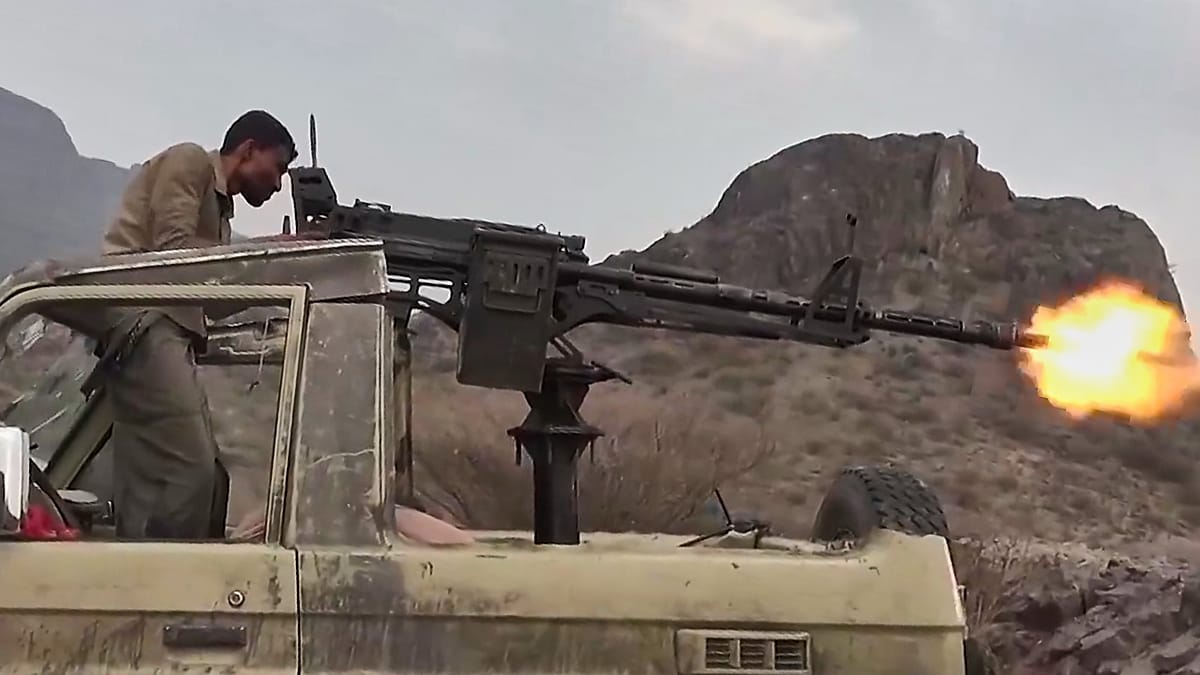
Saudi Arabia reported intercepting another missile launched by Houthi rebels in Yemen on Saturday morning; the missile was aimed at the southwestern city of Khamis Mushait. Meanwhile, Iranian President Masoud Pezeshkian left New York following his participation in the United Nations General Assembly, where indirect talks with the U.S. took place regarding Iran’s nuclear program and the reopening of the Strait of Hormuz under certain conditions. Additionally, Israeli settlers intensified efforts to seize water sources in the occupied West Bank, cutting off a pipeline to redirect it towards a settlement named after Herod.
Written locally by qwen2.5:14b on 2026-09-26,
using this article's own text rather than the other coverage of the
same event (that is the story summary below).
Story summary
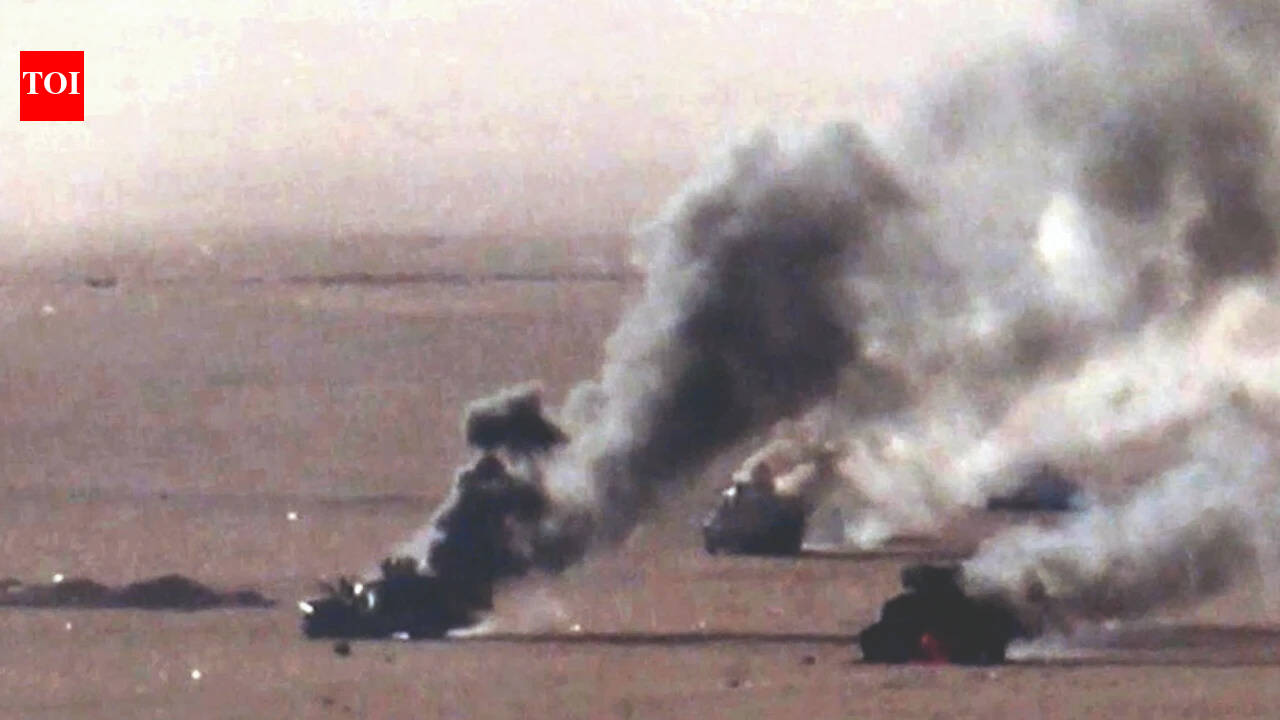
The Saudi-led coalition announced on Saturday that it had intercepted two drones and two ballistic missiles launched by Houthi rebels from Yemen. The drones were targeting the Saudi capital, Riyadh, while the missiles targeted the southwestern city of Khamis Mushait, which houses an air base. This comes amid ongoing Houthi attacks since they declared a naval blockade against Saudi Arabia in July, impacting Saudi cities and shipping routes, including those in the Red Sea. The coalition's intercepts are part of a broader conflict that also includes tensions over global oil supplies and blockades in the Strait of Hormuz.
Written for “Saudi Intercepts Houthi Drones Missiles” on 2026-10-05,
grounded in this article and the 4 other(s) covering the same event.
Log in
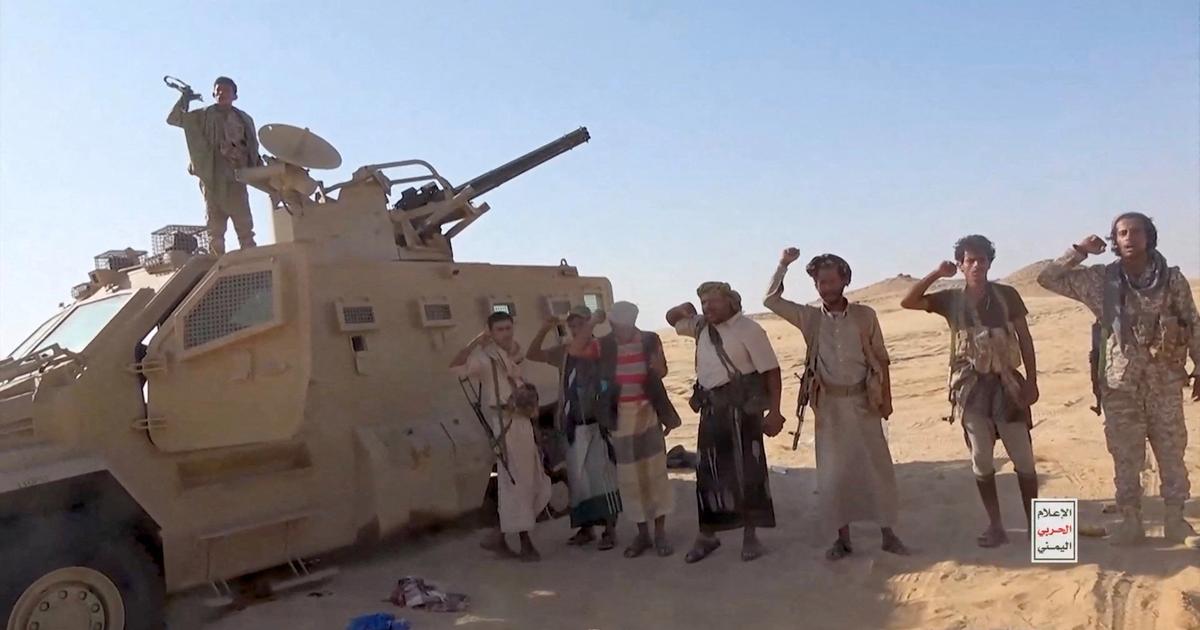
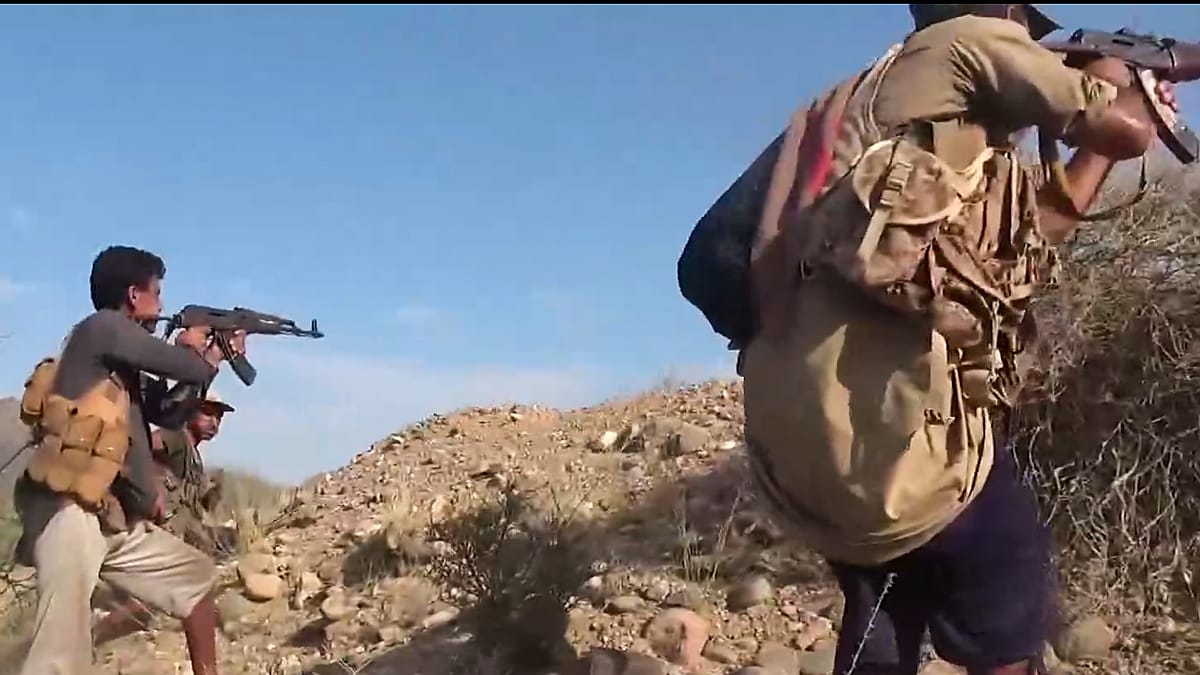
Saudi Arabia says it has intercepted another missile it blames on Iran -backed Houthis in neighboring Yemen.
asserted
it → log → Yemen
And Iranian media outlets say the country's president has left New York after a busy week at the United Nations gathering of world leaders that included Iran's indirect talks with the United States.
asserted
that → say → States
Saudi Arabia says it intercepted a missile fired by Houthis
Saudi Arabia's military spokesperson, Maj. Gen. Turki al-Malki, claimed early Saturday that a ballistic missile launched by the Iran-backed Houthi rebels in neighboring Yemen was intercepted and destroyed.
Al-Maliki said the missile was fired toward the southwestern city of Khamis Mushait.
The Associated Press couldn’t immediately independently verify the claim.
uncertain
Press → say → claim
There was no immediate statement of responsibility, though it can take days for the Houthis to issue one.
asserted
Houthis → be → one
A regional body representing Arab Gulf states, the Gulf Cooperation Council, condemned the latest Houthi attacks as a “grave escalation and threat to regional security” and urged the international community to respond.
asserted
body → represent → community
Iranian outlets say the country's president has left New York
Semiofficial media outlets in Iran are reporting President Masoud Pezeshkian has departed New York for Tehran after a busy week at the annual U.N. gathering of world leaders.
Pezeshkian's speech to the gathering pushed back against President Donald Trump's latest threat to “annihilate” the Islamic Republic, but he ended by saying Tehran remains open to diplomacy.
asserted
Tehran → say → diplomacy
Meanwhile, Iran held hours of indirect talks with the U.S.
Iranian Foreign Minister Abbas Araghchi told journalists Friday night that Tehran has proposed, via mediators, a plan to reopen the Strait of Hormuz and resume talks on its nuclear program in seven days if the United States lifts its naval blockade of Iranian ports, waives sanctions on Iranian oil sales and observes a ceasefire that would include Lebanon.
Israeli settlers seize more water sources in the West Bank
Israeli settlers have intensified efforts to seize natural springs and heritage sites in the occupied West Bank.
asserted
settlers → hold → Bank
The springs are vital for drinking water, tourism and agriculture and increasingly inaccessible to the 2.8 million Palestinians living there.
asserted
springs → live → Palestinians
In the Jordan Valley, settlers cut a water pipe to a Palestinian village, redirecting it to a pool they named after Herod, the Roman-appointed king of Judea.
asserted
they → cut → Judea
Israeli rights groups say the move is part of a broader effort to claim heritage sites.
uncertain
move → say → sites
The struggle for water access highlights the ongoing contest for control of the West Bank, where Palestinians have faced shortages since 1967.
asserted
Palestinians → highlight → 1967
This report will be updated throughout the day as new developments emerge.
asserted
developments → update → day
 The Aporia