How Does Climate Change Impact Nor'easters?

Read the original at TIME ↗
TIME · collected 2026-09-25 · by Simmone Shah

Quick Summary

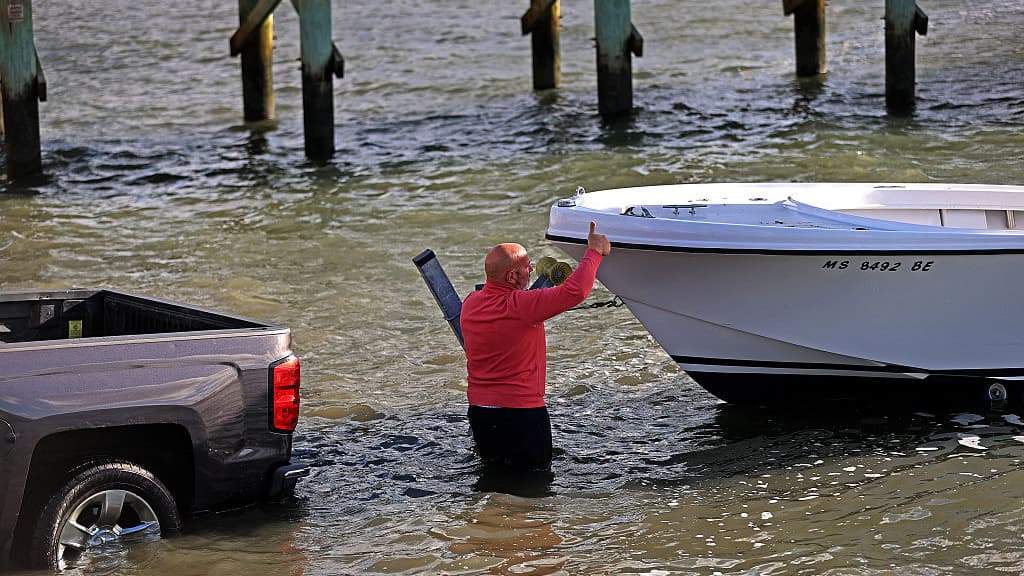
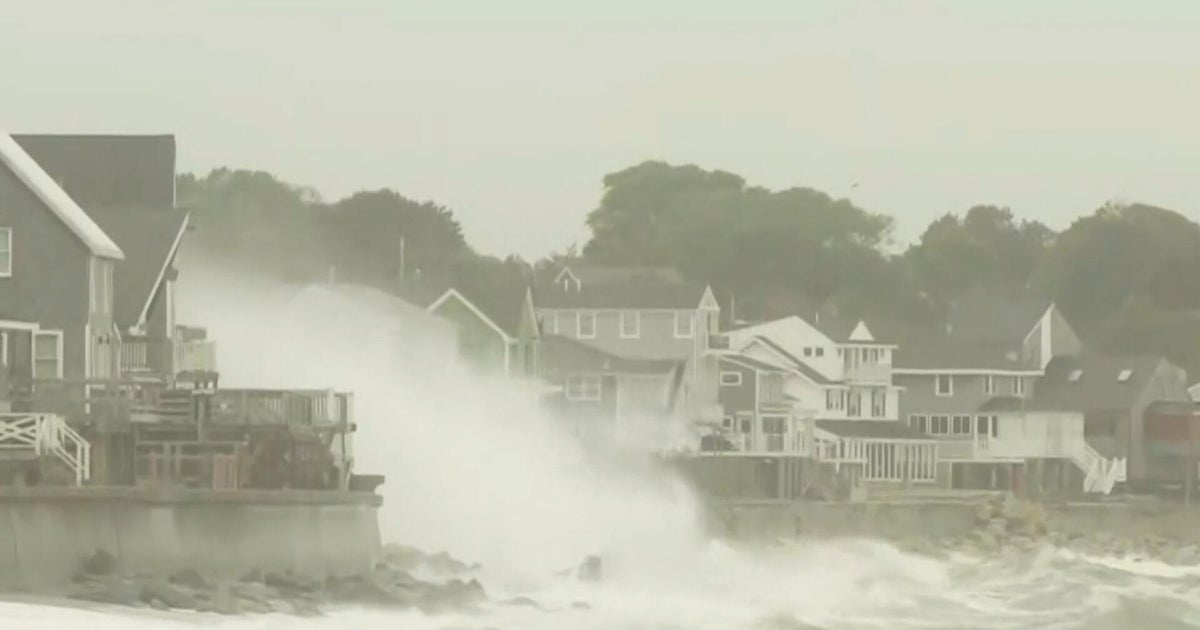
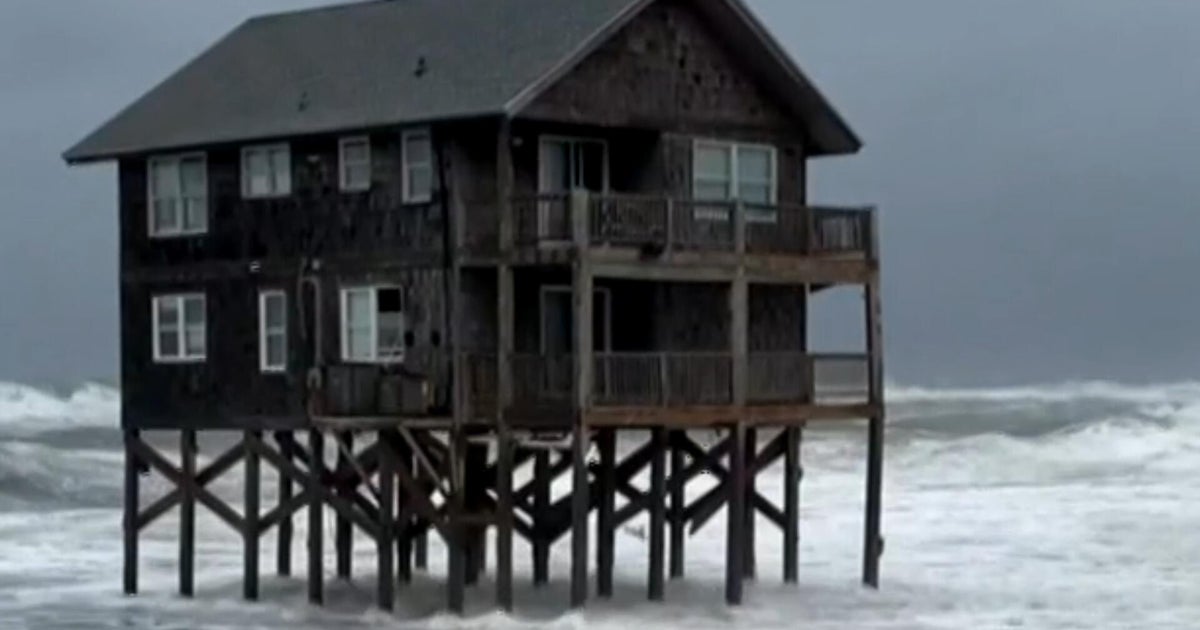
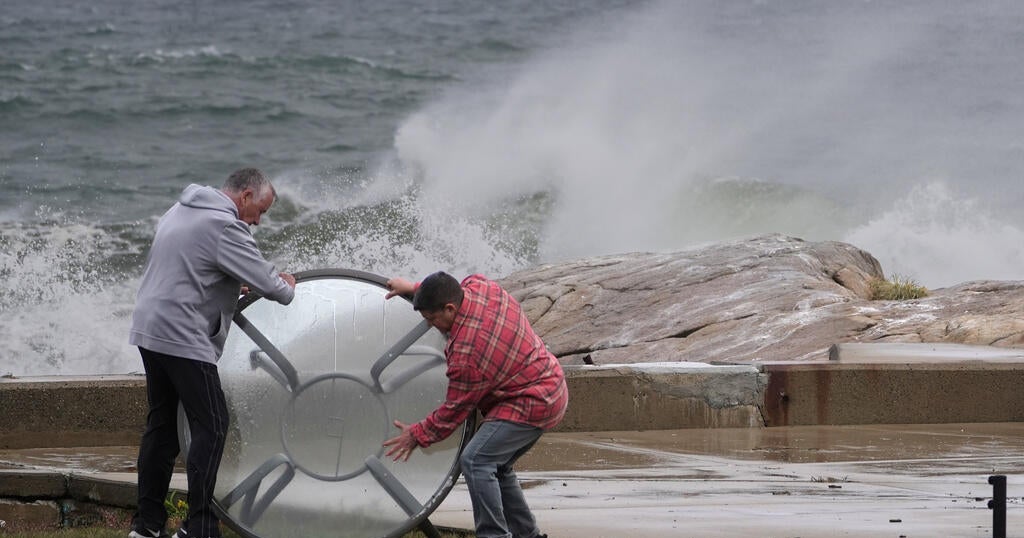
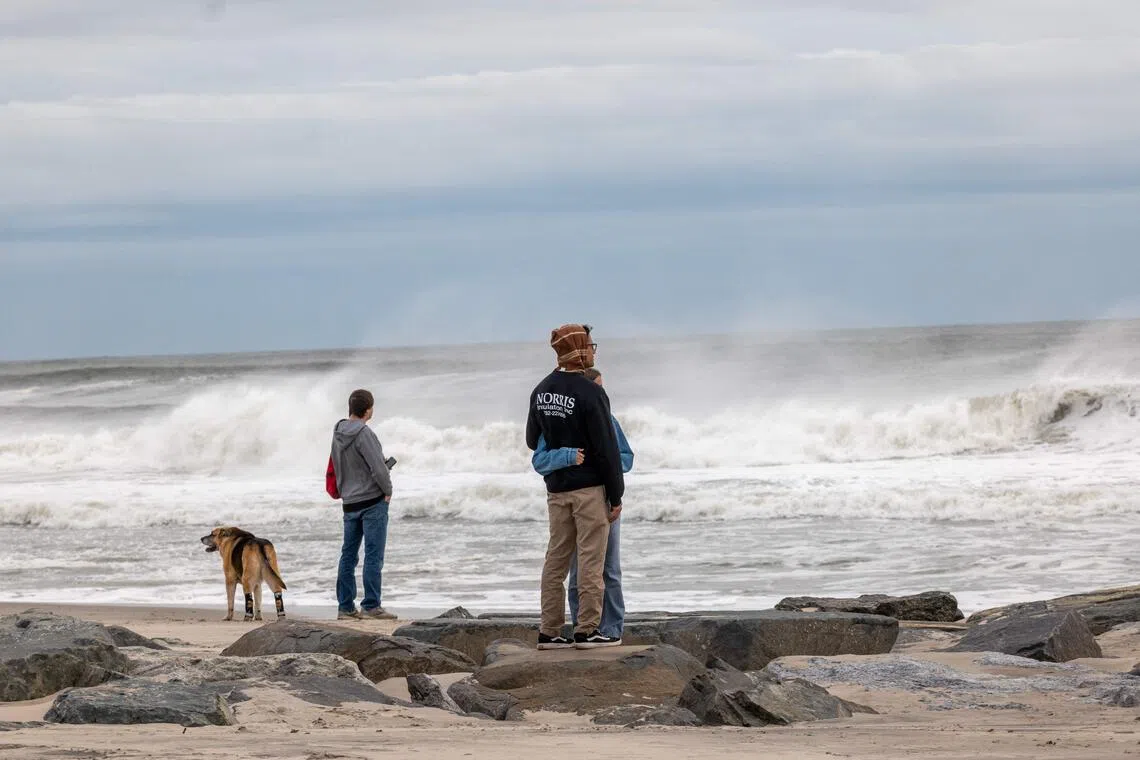
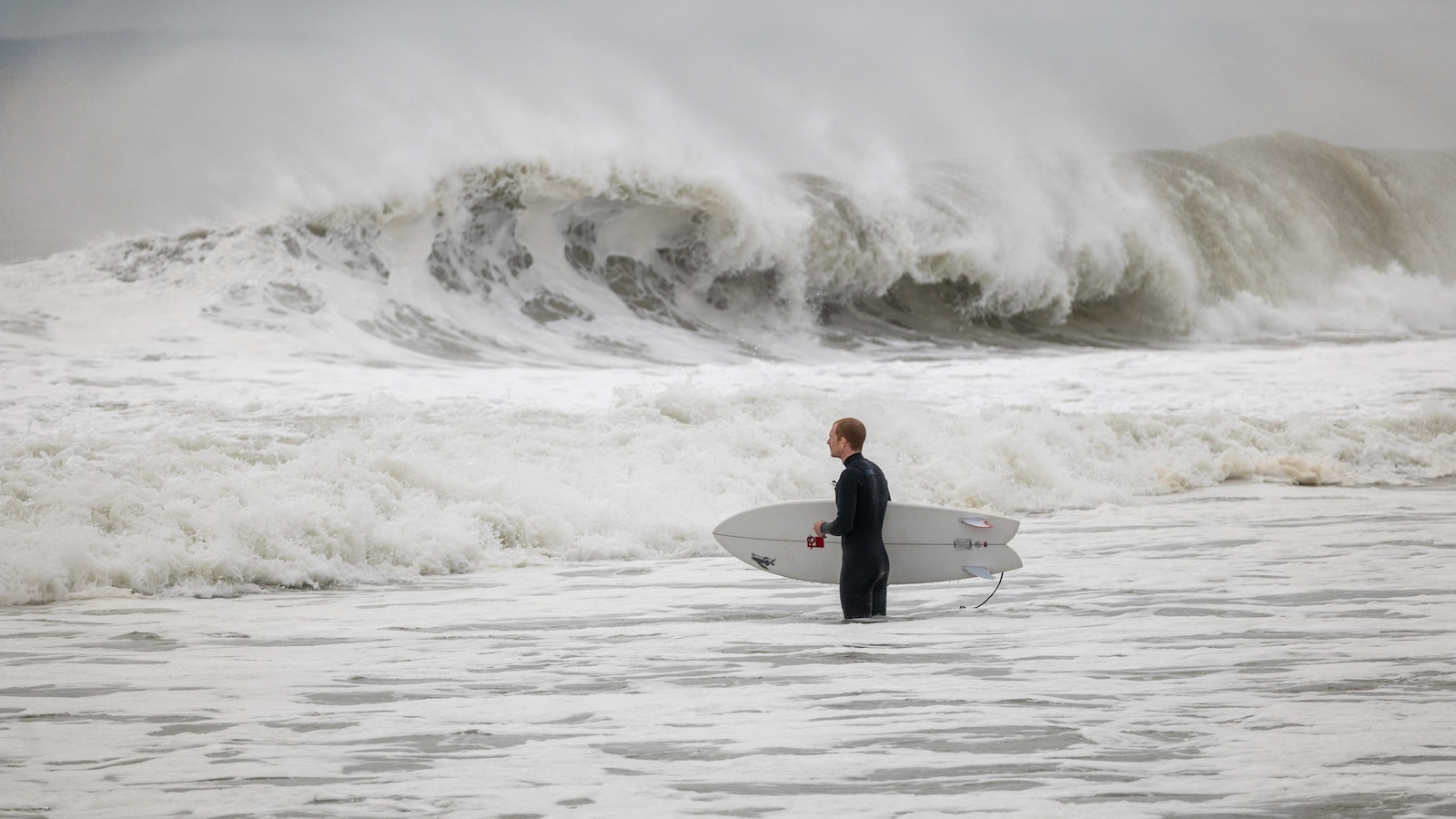
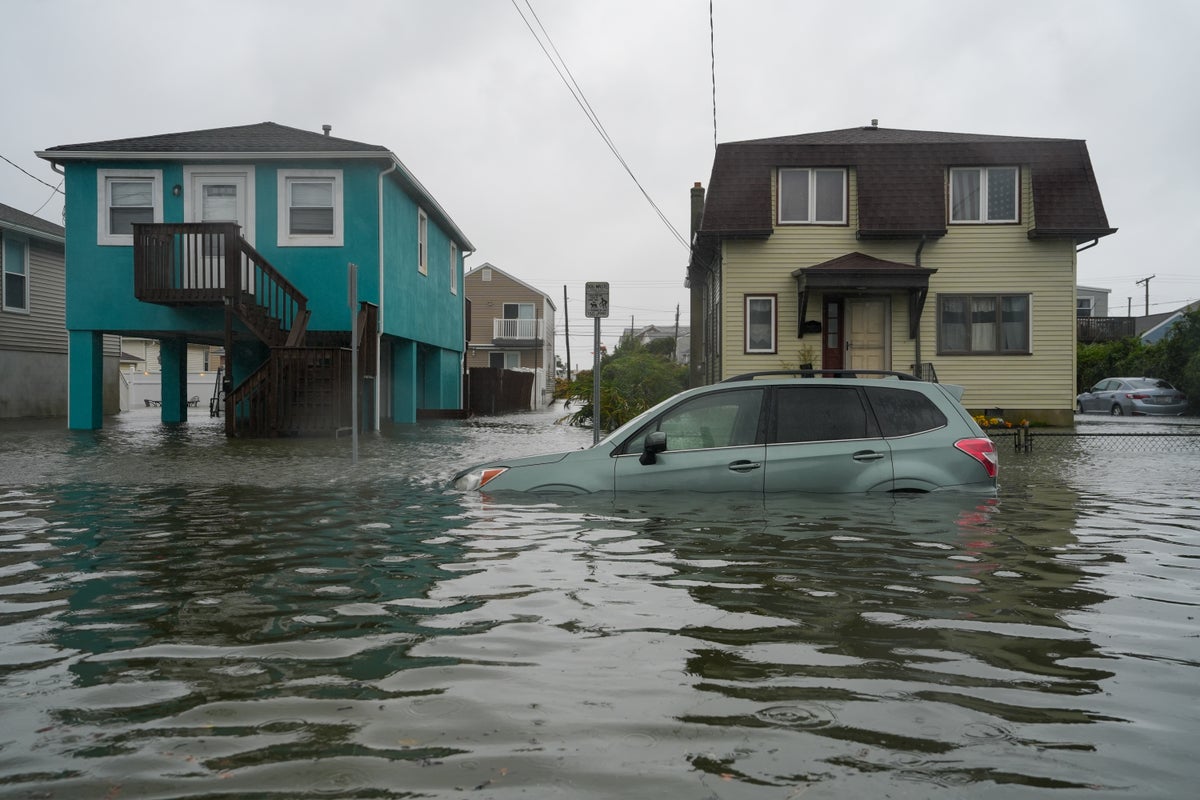
A strengthening nor'easter threatens heavy rain, flooding, and strong winds along the East Coast from Virginia to New England over the weekend. Michael Mann, a climate science professor, explains that while nor'easters derive energy from ocean heat like hurricanes, they have cold cores and can persist longer, leading to more prolonged impacts such as storm surges. Climate change is intensifying these storms by increasing rainfall and wind strength, contributing to more extreme weather events despite no significant change in the overall number of storms.
Written locally by qwen2.5:14b on 2026-09-26, using this article's own text rather than the other coverage of the same event (that is the story summary below).

AI analysis runs on qwen2.5:14b, locally

Story summary

A powerful nor'easter is hitting the East Coast of the United States, affecting millions from North Carolina to Maine, and possibly disrupting flights along the Northeast coast. The storm started impacting North Carolina's Outer Banks on Thursday, causing water surges that washed out parts of the main highway connecting barrier islands. By Saturday through Monday, windy rain showers will intermittently affect areas from New Jersey to Maine, with wind gusts up to 40 to 50 mph recorded along the Mid-Atlantic coast and moving north by the weekend. Higher totals of 2-to-6 inches of rain are expected from New Jersey to Boston and Long Island, New York, leading to potential coastal flooding, large waves, and beach erosion in these regions.

Written for “Nor'easter Hits East Coast” on 2026-10-05, grounded in this article and the 68 other(s) covering the same event.

Signals How these are calculated →

Claims extracted
27
claim-shaped sentences
Uncertain
15%
4 of 27 hedged
Leaning
withheld
no quote in the article backed the model's score
Correction & hedging signals
59.5
corrections and hedging in what we collected; not a measure of accuracy
Outlets on this story
69
Environment
Narrative spread
1
articles carrying this framing
Analyzed 2026-09-26 · how these are computed

Story

📰 Nor'easter Hits East Coast
Environment · 69 article(s) covering the same event. See how they differ ↓

How this is being covered How these are calculated →

Article leaning vs. publisher reliability
Source leaning vs. consistency

Compared with similar articles

This article reads unscored and hedges 15% of its claims. Each row says how that neighbour differs.
CBS News
⚖️ leaning not scored 🔴 0% hedged 0 of 2 📰 publisher trust 66
“Both articles describe the impending impact of a nor'easter on the East Coast, including coastal flooding, heavy rain, and strong winds in regions like Virginia, North Carolina, New Jersey, Long Island, and southern New England.”
CBS News
⚖️ leaning not scored 🔴 0% hedged 0 of 3 📰 publisher trust 66
“Article A reports on a specific nor'easter hitting several states on a particular day, while Article B discusses how climate change impacts nor'easters in general and mentions potential future conditions rather than reporting the same specific event.”
The Independent
⚖️ leaning not scored 🔴 24% hedged 4 of 17 📰 publisher trust 59
“Both articles describe a nor'easter impacting the East Coast, mentioning similar conditions and timing.”
CBS News
⚖️ leaning not scored 🔴 18% hedged 9 of 51 📰 publisher trust 66
“Both articles describe the same ongoing nor'easter affecting the East Coast with similar forecasts of heavy rain, wind gusts, and coastal flooding from Virginia to New England.”
Daily Mail
⚖️ leaning not scored 🔴 32% hedged 9 of 28 📰 publisher trust 65
“Article A describes the meteorological conditions and impacts of an incoming nor'easter storm, while Article B focuses on travel disruptions caused by major airlines in response to the storm. Although both articles discuss the same storm event, they describe different aspects (weather impact vs. airline responses) that are not the same specific incident.”
Daily Mail
⚖️ leaning not scored 🔴 16% hedged 7 of 43 📰 publisher trust 65
“Both articles describe the same ongoing nor'easter impacting the East Coast, mentioning similar details such as wind speeds, flooding, and affected areas.”
The Straits Times
⚖️ leaning not scored 🔴 7% hedged 1 of 14 📰 publisher trust 59
“Both articles describe the same imminent nor'easter affecting millions of people along the US northeast coast on September 25, 2026.”
ABC News (US)
⚖️ leaning not scored 🔴 16% hedged 3 of 19 📰 publisher trust 59
“Both articles describe the impact of an ongoing nor'easter on the East Coast, including strong winds and coastal flooding.”
The Guardian
⚖️ leaning not scored 🔴 27% hedged 7 of 26 📰 publisher trust 68
“Both articles describe a single ongoing nor'easter storm affecting the northeastern United States on the specified dates.”
The Independent
⚖️ leaning not scored 🔴 18% hedged 7 of 38 📰 publisher trust 59
“Both articles describe a nor'easter affecting the East Coast with similar conditions and timing, indicating they are reporting on the same specific storm event.”

Publisher

TIME · 445 article(s) · 1 correction(s) detected
Running correction rate · 1 correction(s)
2026-09-17
Kerry James Marshall

Who wrote this

Simmone Shah
6 article(s) here · 1 carrying a prediction
🔮 Trump was responding to being asked why many thought the war in Iran would be over in four to six weeks.
🔮 The storm could stall near the coast between New Jersey and Long Island, prolonging strong winds, rain, and coastal flooding in the area—leaving northern New Jersey, New York City, Long Island, and southern New England facing some of the storm's strongest winds, heaviest rain, and coastal flooding.
2026-09-25 · assertive framing · How Does Climate Change Impact Nor'easters?
🔮 About 6 in 10 Americans said they would support limiting the number of new data centers that can be built—including most Democrats and Republicans—the survey found.
🔮 The weather event is expected to impact global temperatures and rainfall, and could increase the risk of extreme weather events in some parts of the world.
🔮 Some places might accept plastics 4 and 5 (think a yogurt container or plastic straw.)
🔮 Earlier this month, federal officials announced sharp cuts in how much water Arizona, California and Nevada would be allowed to take from the Colorado River over the next two years as the water levels for the nation's two largest reservoirs reach record lows.
Also by Simmone Shah
Nothing else under this byline is closely related to this article, so these are simply their most recent.
All 6 articles by Simmone Shah →

Topics

Long Island New Jersey North Carolina U.S. Virginia

Subjects

U.S. GPE · 4× Barlow PERSON · 3× Long Island GPE · 2× Mann PERSON · 2× New Jersey GPE · 2× Michael Mann PERSON · 1× New York City GPE · 1× North Carolina GPE · 1× Virginia GPE · 1× the University of Pennsylvania ORG · 1×

Narrative

“This nor'easter is shaping up to be impactful in part because it will be slow moving, potentially building up a large storm surge,” says Michael Mann, professor of climate science and climate change at the University of Pennsylvania.
framing: assertive · carried by 1 article(s) · first seen 2026-09-26
🔮 The storm could stall near the coast between New Jersey and Long Island, prolonging strong winds, rain, and coastal flooding in the area—leaving northern New Jersey, New York City, Long Island, and southern New England facing some of the storm's strongest winds, heaviest rain, and coastal flooding.
2026-09-26 · TIME
How Does Climate Change Impact Nor'easters? · assertive framing

Claims (27 extracted, 4 hedged)

A nor'easter is strengthening along the East Coast—threatening to bring heavy rain, flooding, and strong wind gusts to millions of people. asserted
nor'easter → strengthen → people
Coastal flooding has already affected portions of Virginia and North Carolina, and wind gusts of up to 50 mph are expected in some areas. asserted
gusts → affect → areas
The storm could stall near the coast between New Jersey and Long Island, prolonging strong winds, rain, and coastal flooding in the area—leaving northern New Jersey, New York City, Long Island, and southern New England facing some of the storm's strongest winds, heaviest rain, and coastal flooding. uncertain
storm → stall → winds
Rain is expected to start as early as Friday evening and could continue throughout the weekend. uncertain
Rain → expect → weekend
“This nor'easter is shaping up to be impactful in part because it will be slow moving, potentially building up a large storm surge,” says Michael Mann, professor of climate science and climate change at the University of Pennsylvania. asserted
Mann → shape → Pennsylvania
Named for the winds that blow in from the northeast, the storms typically impact the east coast of the U.S. and Canada, and bring either rain or snow. asserted
storms → name → rain
They can come at any time of the year but are most common between September and April. asserted
They → come → September
“A nor’easter, like a hurricane, derives some of its energy from the heat of the ocean,” says Mann. asserted
Mann → derive → ocean
However, unlike hurricanes, nor’easters tend to have cold cores, and can linger over an area longer than a hurricane might. uncertain
hurricane → tend → area
Memorable nor’easter storms include the New England Blizzard of February 1978, the March 1993 “Superstorm” and the recent Boston snowstorms of January and February 2015. asserted
storms → include → January
How are nor'easters changing due to climate change? asserted
nor'easters → change → change
Scientists are still not 100% clear about how nor’easters are changing due to climate change. asserted
nor’easters → change → change
“There are things we can say with confidence about changes in nor'easters and other areas that we're still coming to an understanding about,” says Mathew Barlow, professor of climate science at the University of Massachusetts Lowell. asserted
Barlow → be → Lowell
If there’s one thing that’s clear, it’s that the more intense nor’easters are becoming more extreme—bringing with them more rainfall and stronger winds. asserted
nor’easters → ’ → rainfall
That can lead to more storm surges, coastal flooding, and wind damage. asserted
That → lead → surges
“Human-caused warming is leading to higher precipitation totals with these storms,” says Mann. asserted
Mann → cause → storms
And it’s something that’s becoming increasingly common with extreme weather generally. asserted
that → ’ → weather
As human-caused climate change warms our atmosphere, it allows it to hold more moisture—and release more precipitation when it rains. asserted
it → cause → precipitation
“Not every storm is becoming more intense, but the intense storms are becoming more intense—whether that be a thunderstorm, a hurricane, one of these nor'easters,” Barlow says. asserted
Barlow → become → nor'easters
One thing that doesn’t seem to be changing is the number of storms, Barlow adds. asserted
Barlow → seem → storms
“We're not seeing any changes in the overall average, and the total number of storms might actually be going down a little bit,” he notes. uncertain
he → see → storms
In an ever warming world, storms are only going to continue to intensify. asserted
storms → warm → world
Climate change is increasing the number of “billion dollar disasters,” disasters that top at least $1 billion in damage, that take place in the U.S. each year. asserted
that → increase → U.S.
The average length of time between billion-dollar disasters has fallen—from 82 days during the 1980s to 16 days during the last 10 years. asserted
length → fall → years
In 2025, the U.S. experienced a billion-dollar weather or climate disaster once every 10 days. asserted
U.S. → experience → disaster
“Until we stop increasing the amount of greenhouse gasses in the atmosphere, the intensity of rainfall, the intensity of these storms, will continue to increase as well,” says Barlow. asserted
Barlow → stop → storms
“Until we stop making things worse, things are going to keep getting worse.” asserted
things → stop → ?

💬Give feedback
🕘History 🎫Support