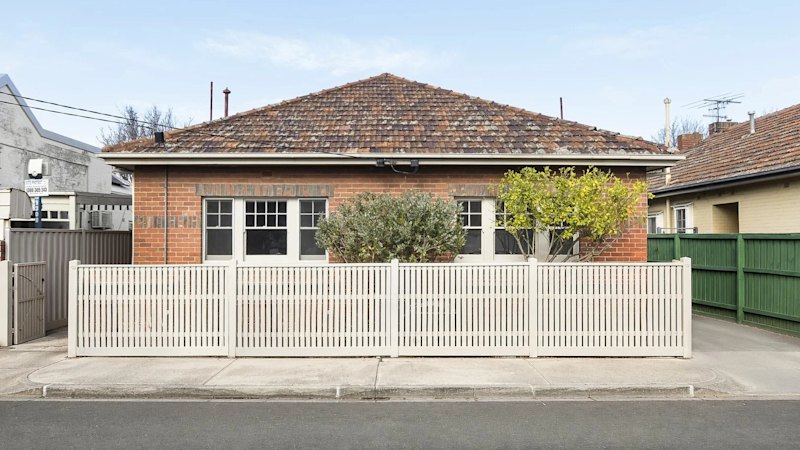
In Melbourne, 11% of home sales in the June quarter resulted in losses for sellers, with units faring worse than houses. Specifically, nearly half of unit sales and about a third of house sales in inner suburbs like the City of Melbourne and Stonnington incurred financial losses. Cotality economist Annabelle Mezieres attributes these trends to weaker capital growth compared to other cities, higher interest rates, reduced borrowing capacity, and decreased investor demand.
Written locally by qwen2.5:14b on 2026-09-25,
using this article's own text rather than the other coverage of the
same event (that is the story summary below).
Melbourne home sellers are more likely to make a loss than those in any other Australian capital city, with 11 per cent of home sales in the June quarter making a loss.
asserted
cent → make → loss
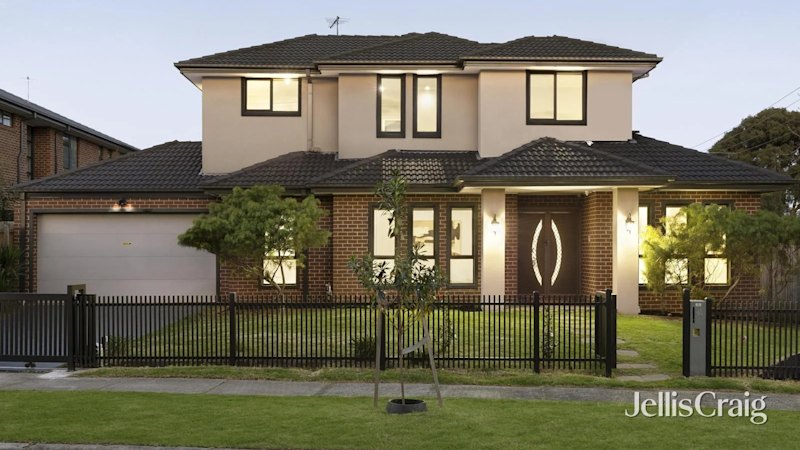
Just over one in five Melbourne units sold at a loss, almost double the rate of those in Sydney, while 4.3 per cent of house sellers lost money, data from real estate analytics firm Cotality shows.
asserted
data → sell → Cotality
In both cases, Melbourne sellers were the most likely of any capital city to make a loss.
asserted
sellers → make → loss
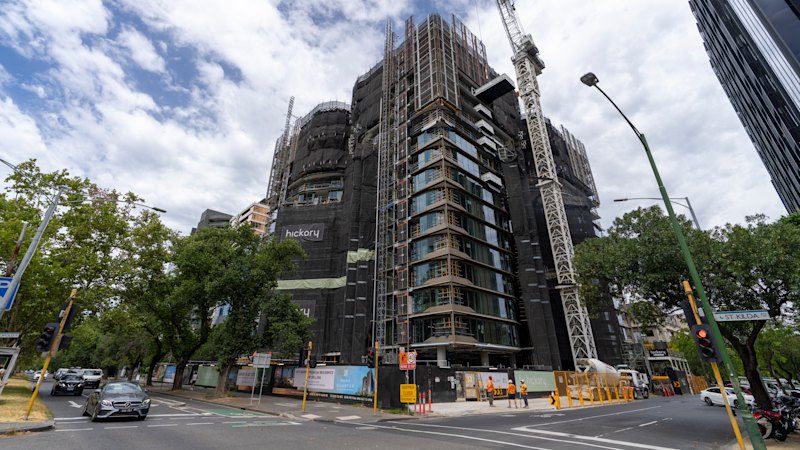
By region, the City of Melbourne topped the list for losses in local government areas.
asserted
City → top → areas
Almost half (47 per cent) of sales in the unit-dense market sold at a loss, despite the area having the longest holding period for owners before selling.
asserted
area → sell → owners
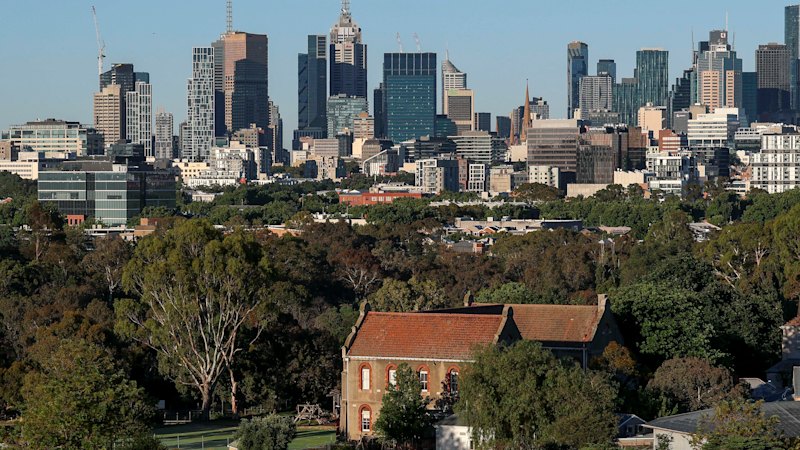
A third of home sales in sought-after Stonnington made a loss, while about a quarter of sales in Boroondara and Port Phillip lost money.
asserted
quarter → seek → money
Cotality economist Annabelle Mezieres said Melbourne’s relatively high rate of loss-making sales reflected its much weaker capital growth than other capital cities.
asserted
rate → say → cities
“Values rose by just 0.8 per cent over the five years to June, so owners who bought during that period have had little or no gain to absorb a fall,” she said, noting even a modest decline could mean a loss for some sellers.
uncertain
decline → rise → sellers
“Melbourne was also the first capital to enter the downturn, and higher interest rates, reduced borrowing capacity and softer investor demand have added to those pressures.”
asserted
rates → enter → pressures
Ray White Southbank agent Tommy-Lee Davies thought expensive off-the-plan apartment sales which did not break even at resale helped explain why the Melbourne local government area was over-represented in loss-making sales, with a median loss of $61,250.
asserted
area → think → 61,250
“Anyone in the world can buy [a unit] off the plan, but as soon as it becomes second-hand, you go from a global market to people that are only here,” he said.
asserted
he → buy → people
“That’s where I’ve seen the biggest losses – people losing hundreds of thousands of dollars ...
asserted
I → ’ → dollars
[Apartments are] still not even selling for what they did 10 years ago off the plan.
asserted
they → sell → plan
Mezieres said the 9.3-year median holding period for loss-making unit sales, compared to 4.2 years for houses, suggested unit losses were not the result of recent price falls but a longer-term issue.
uncertain
losses → say → falls
“Melbourne units have had weaker growth and are more exposed to softer investor demand,” she said.
asserted
she → have → demand
A property Davies sold in September for $405,000 fetched about $150,000 less than the $556,000 it last sold for in 2015.
asserted
it → sell → 2015
Multiple properties in the same 2006-built block have sold for six figures less than they were bought for within the past decade.
asserted
they → build → decade
But the agent thought that owner-occupiers weren’t buying in the Melbourne area to double their money over time – it was for the lifestyle.
asserted
it → think → lifestyle
“It’s a really, really good place to live – close to the city, you’re surrounded by parks, just five minutes away from work,” he said.
asserted
he → ’ → work
Agents in areas like Stonnington – where 33 per cent of sales made a loss in the June quarter – said that while more vendors were making a loss, owner-occupiers also had a rare opportunity to upsize for less.
asserted
occupiers → make → less
Biggin Scott Richmond agent Ignacio Rodriguez recently sold a two-bedroom apartment in South Yarra for $555,000 – less than the $580,000 his client bought it for in 2019.
asserted
client → sell → 2019
But the client was able to buy a double-storey terrace home nearby thanks to the comparatively larger savings on houses in the suburb – while South Yarra units have gained 0.5 per cent in value in the past year, houses have lost 10.8 per cent, on Cotality data.
“There’s big gains to be made for those who are in a position where they can,” Rodriquez said, noting a $25,000 loss on an apartment could pale in comparison to savings on a larger house.
uncertain
loss → buy → house
Mezieres agreed top-end values had fallen further than other segments of the market in the June quarter, reducing the gap between mid-priced homes and more expensive options.
asserted
values → agree → homes
Kay & Burton Stonnington agent James Paull said he hadn’t “seen such great opportunity for home owners to upsize in property” in the course of his career, particularly in prestigious suburbs like Toorak.
asserted
owners → say → Toorak
But he said losing money on any purchase, particularly a home, was an emotional hit.
asserted
losing → say → purchase
“It’s a hard thing to stomach,” Paull said.
asserted
Paull → ’ → ?
“So if you are looking to sell, it’s important you understand your ‘why’ – is it a lifestyle decision?
asserted
it → look → why
Do you need a larger home?”
asserted
you → need → home
He also warned against chasing short-term gains, saying property is a “get-rich-slow game”.
asserted
property → warn → gains
Mezieres said Melbourne was likely to continue to produce a higher proportion of losses, but noted the vast majority – 89 per cent – of homes sold for a profit in the June quarter.
asserted
Melbourne → say → quarter
She thought this presented an opportunity longer-term.
asserted
this → think → opportunity
“Weaker growth has left Melbourne comparatively more affordable,” she said.
asserted
she → leave → Melbourne
“This improved affordability could support demand once the economy stabilises.”
uncertain
economy → improve → demand
 The Aporia