That is 0 articles you have read today.
The Aporia is free and carries no advertising, so readers are the only
thing paying for it. If you are getting this much out of it, a small
donation is what keeps it independent.
Daily limit reached
You have read 0 articles today.
That is more than the 15 a day The Aporia gives away,
and well past what it can carry on nothing. Your allowance resets at
midnight.
There is no advertising here and nothing about you is sold, so readers
are the only thing paying for it. If the site is worth this much of
your day, it is worth a few dollars.
Everything else stays open: the
maps, the
directory and
search do
not count against this, and neither does re-opening something you have
already read today.
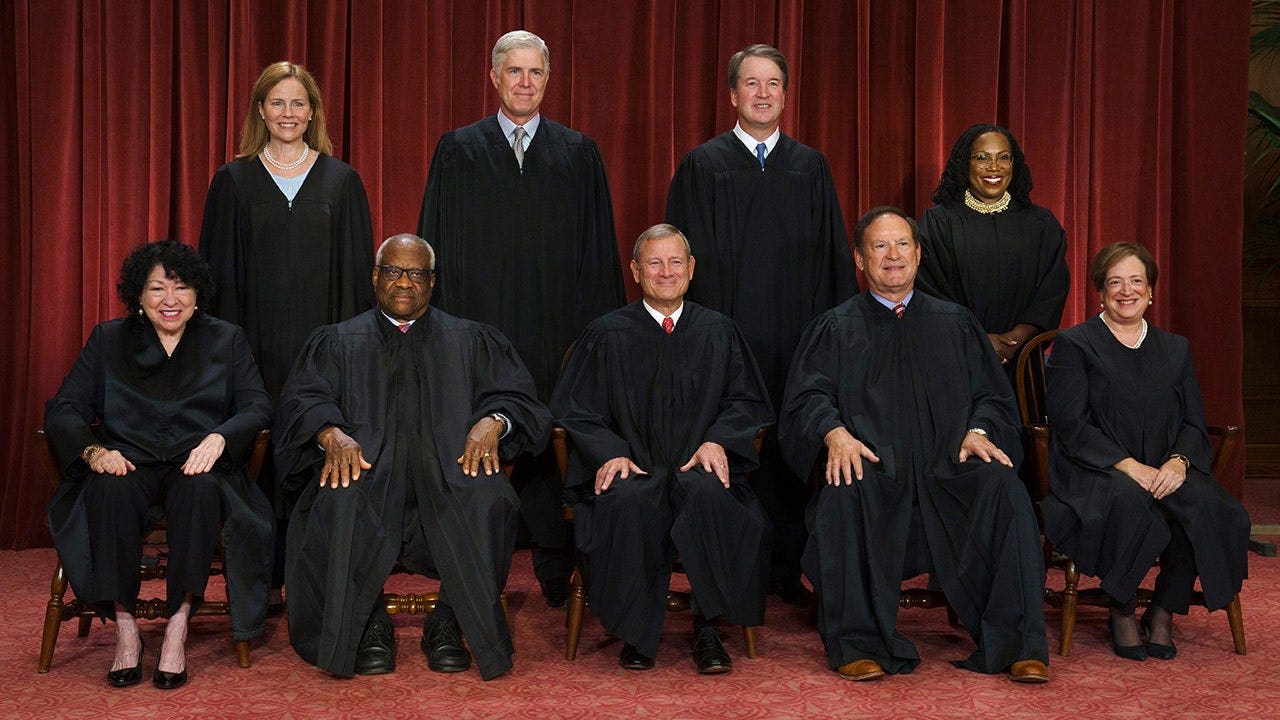
Justice Ketanji Brown Jackson criticized her colleagues at the Supreme Court for quickly handling cases through an emergency docket, especially those involving controversial issues. During a speech at the University of the District of Columbia, she expressed concern that certain litigants may be getting preferential treatment on this fast-track process. The article highlights how the Trump administration submitted 40 emergency applications to the Supreme Court since early in his second term and won about 80% of them. Jackson advocates for requiring proof of impending harm before granting stays through the emergency docket, emphasizing the need for public trust in judicial decisions.
Written locally by qwen2.5:14b on 2026-09-25,
using this article's own text rather than the other coverage of the
same event (that is the story summary below).
Story summary
Supreme Court Justice Ketanji Brown Jackson, one of its three liberal members, criticized her colleagues for fast-tracking emergency docket cases during a speech at University of the District of Columbia’s law school on Thursday. Jackson expressed concerns that the court's modern stay practices are having a "disruptive and potentially corrosive effect," questioning why some parties receive preferential treatment when many others wait patiently for rulings. She warned that if not careful, the emergency docket could become an end run around the standard review process, allowing certain privileged litigants selective access to the Supreme Court of the United States. Jackson’s comments came shortly after the Trump administration filed another emergency request regarding deportation policies.
Written for “Supreme Court Emergency Docket Contro…” on 2026-10-05,
grounded in this article and the 1 other(s) covering the same event.
Supreme Court Justice Ketanji Brown Jackson ripped her colleagues for fast-tracking cases on the high court’s emergency docket, saying "it has been noticeably less restrained, especially with respect to pending cases that involve controversial matters."
asserted
that → rip → matters
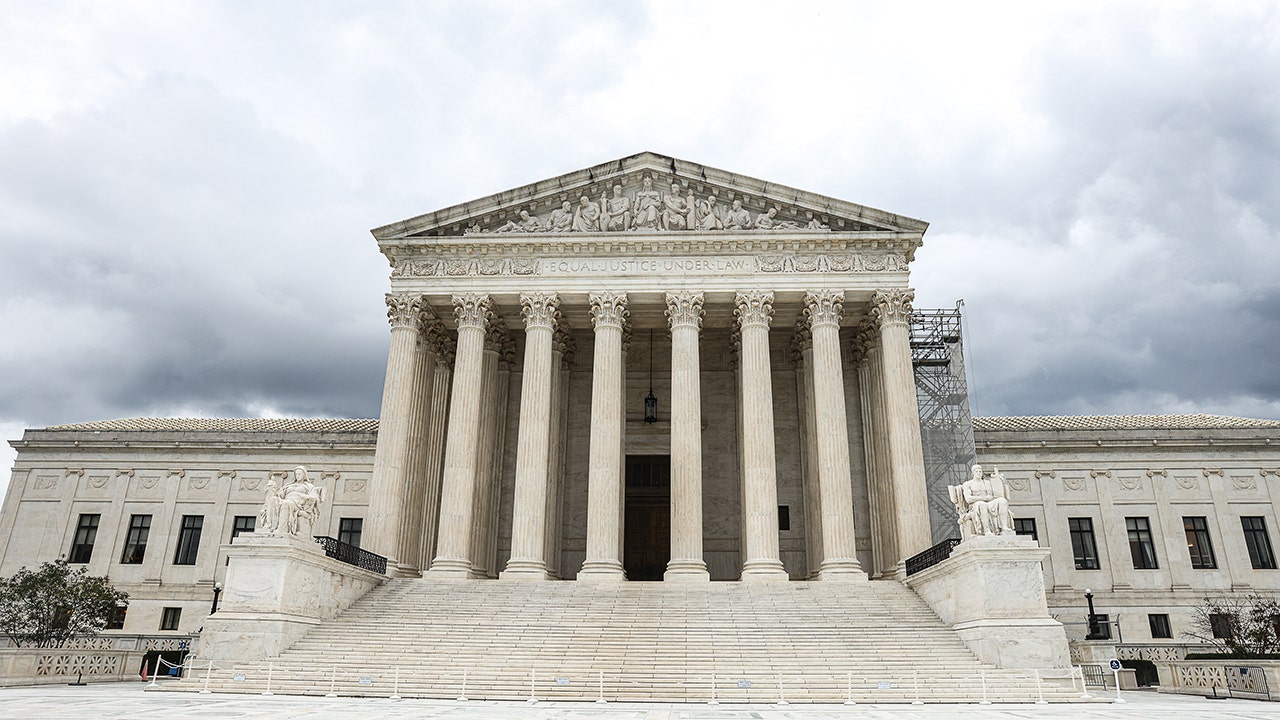
The emergency docket, sometimes known as the shadow or interim docket, allows parties to ask the Supreme Court to quickly intervene in lawsuits and temporarily pause lower court rulings.
asserted
parties → know → rulings
The process can take a couple of days, weeks or months, and is viewed as a much speedier, although temporary, way to secure court relief than when the court fully considers the merits of a case, which can include a long briefing schedule and oral arguments.
"Why is it that one party should get a fast pass to the Supreme Court of the United States, when so many other parties are queued up, waiting patiently for the court’s attention?" Jackson said Thursday during a speech at the University of the District of Columbia’s law school, according to The Hill.
uncertain
Jackson → take → Hill
"If we’re not careful, the emergency docket can and will become an end run around the standard review process, a special avenue that certain privileged litigants can use selectively," she added.
asserted
she → ’re → that
Jackson's speech comes as the Trump administration has submitted 40 emergency applications to the Supreme Court since the start of the president's second term, The Hill reported.
asserted
Hill → come → term
Through the emergency docket, the Supreme Court has greenlit Trump's mass firings of career employees and high-profile terminations of Democratic appointees.
asserted
Court → greenlit → appointees
It has curtailed nationwide injunctions and cleared the way for controversial deportations and immigration stops.
asserted
It → curtail → deportations
Since the start of Trump’s second term, his administration has won about 80% of its appeals on the emergency docket, according to Politico.
uncertain
administration → win → Politico
The Supreme Court’s majority has often split along ideological lines and offered little reason for its emergency decisions.
asserted
majority → split → decisions
This differs from final orders from the court, which can be lengthy and include numerous concurring opinions and dissents.
asserted
which → differ → opinions
Jackson also said Thursday that parties should be required to prove impending harm in cases that cannot wait for full adjudication by the lower courts, as opposed to the Supreme Court granting stay applications based on whether lower courts could have made mistakes, Courthouse News Service reported.
uncertain
Service → say → mistakes
"Significant real-world harms can follow Supreme Court stay rulings, and when the court’s orders do not acknowledge that reality, they seem oblivious and ring hollow," Jackson was quoted as saying.
asserted
Jackson → follow → reality
"We cannot expect the public to have faith in our judicial system if, without clear explanation, we are consistently greenlighting harmful acts that do real damage to litigating plaintiffs without a court decision fully and fairly determining the lawfulness of that challenged conduct on the merits."
asserted
decision → expect → merits
Fox News Digital’s Ashley Oliver contributed to this report.
asserted
Oliver → contribute → report
 The Aporia