World news | The Guardian
· collected 2026-09-03 · by Eromo Egbejule in Abidjan
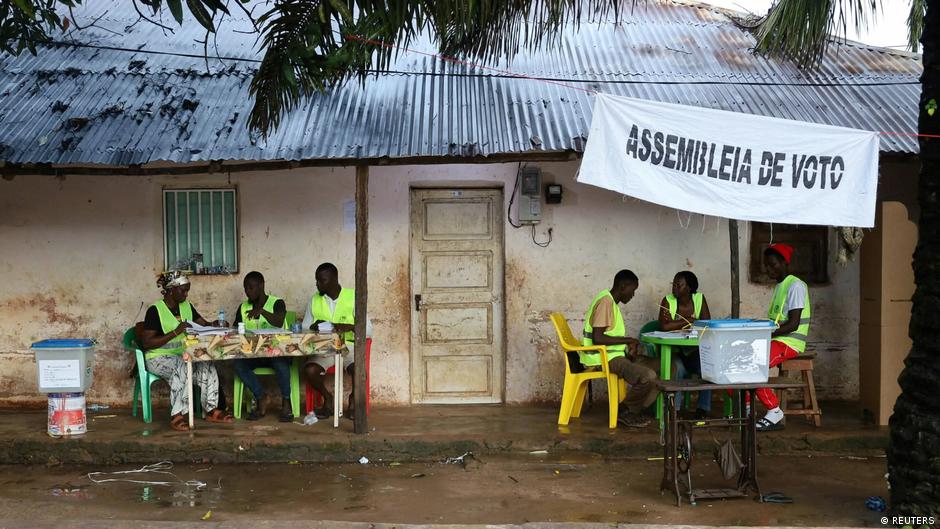
Guinea-Bissau voters approved a new constitution with 70% support in a referendum with over 55% turnout, according to provisional results. The new constitution significantly expands presidential powers and imposes residency requirements for presidential candidates. Critics from the opposition party PAIGC called the referendum a "democratic farce" and urged supporters to boycott it, saying it would undermine democracy and continue a coup d'état that began in November 2025. The changes are expected to pave the way for elections due in December.
Written by the local model on 2026-09-03,
using this article's own text rather than the other coverage of the
same event (that is the story summary below).
Story summary
Guinea-Bissau's president is set to gain significant powers as the country transitions back to democratic rule after months under military control. On Sunday, around 544,060 people, or over 55% of eligible voters, cast their ballots in a referendum that approved a new constitution with sweeping changes. The amendment will give the president the authority to appoint and dismiss the prime minister and dissolve parliament, significantly expanding presidential powers. The number of seats in parliament will be reduced from 102 to 65. Opposition groups had urged citizens to boycott the vote, fearing it would allow the current military leader to consolidate power. Critics argue that the new constitution will undermine democracy, while supporters see it as a step towards stabilizing institutions before upcoming elections on December 6.
Written for “Guinea Bissau Presidential Vote” on 2026-09-03,
grounded in this article and the 1 other(s) covering the same event.
Why this leaning score
The article's own words the score was based on. Each is quoted
verbatim and was checked against the article text before being
stored, so you can find it in the original.
Leaning score -0.35 for article 3499 (high confidence, 1 verified quote) · logged 2026-09-03
Guinea-Bissau voters have approved a new constitution, which critics say will undermine democracy, that significantly expands presidential powers ahead of elections due in December.
asserted
that → approve → December
According to provisional results, 70% of voters approved sweeping changes in the tiny west African state’s first constitutional amendment since revisions that ended the one-party socialist state more than three decades ago.
uncertain
that → accord → state
The turnout for Sunday’s referendum was reportedly over 55%, amounting to an estimated 544,060 people.
uncertain
turnout → amount → people
The new constitution will reduce the number of seats in parliament from 102 to 65 and cut electoral constituencies from 29 to 12.
asserted
constitution → reduce → 12
New provisions will require presidential candidates to have lived continuously in the country for at least five years before the vote, which is believed to target diaspora-based politicians with significant followings.
asserted
which → require → followings
The referendum’s outcome is expected to pave the way for December’s elections, which many hope will steady the political landscape in Guinea-Bissau, which has been through a series of politically turbulent periods since its declaration of independence from Portugal was globally recognised in 1974.
asserted
declaration → expect → 1974
Since then it has had at least 10 coup attempts, half of which have been successful.
asserted
half → have → which
The most recent came after last November’s disputed presidential elections.
asserted
recent → come → elections
Both candidates declared themselves winners, citing electoral malpractice by the other’s camp.
asserted
themselves → declare → camp
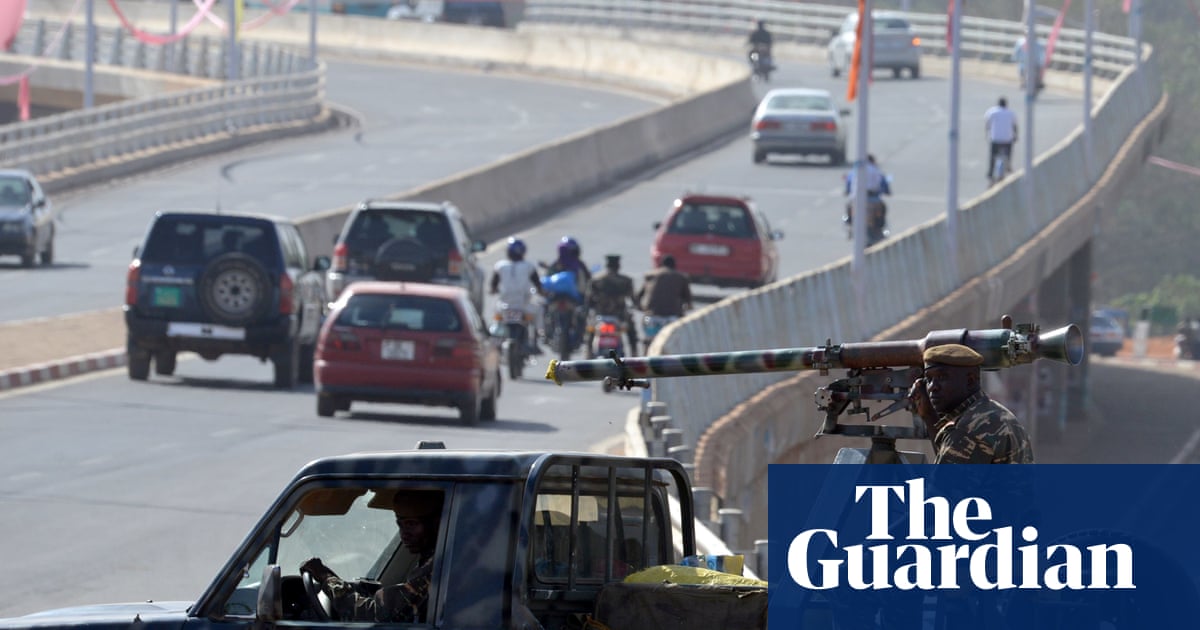
The military forcefully intervened, setting up a transitional ruling council headed by Gen Horta Inta-A Na Man, a former military chief of general staff.
asserted
military → intervene → staff
Na Man said: “What we want after this referendum is to allow whoever wins the elections to see out their mandate without hindrance.”
asserted
wins → say → hindrance
Nelson Moreira, the second vice-president of the transitional council, said the outgoing constitution, which came into effect in 1993, had often been cited as “the cause of instability in Guinea”.
asserted
which → say → Guinea
The leading opposition party, the African Party for the Independence of Guinea and Cape Verde (PAIGC), which was barred from fielding a presidential candidate in the 2025 election, had asked its supporters to boycott the referendum, which it called a democratic farce.
asserted
it → lead → which
“What will happen on 30 August is the continuation of the coup d’état carried out on 26 November,” its leader, Domingos Simões Pereira, had said.
asserted
leader → happen → November