ABC News (US)
· collected 2026-09-25 · by Natalya Kushnir, David Brennan
'Like a horror movie': Ukraine's Oleshky faces 'catastrophe' under Russian occupation
One Ukrainian official told ABC News that Oleshky has become "hell on earth."
asserted
Oleshky → face → earth
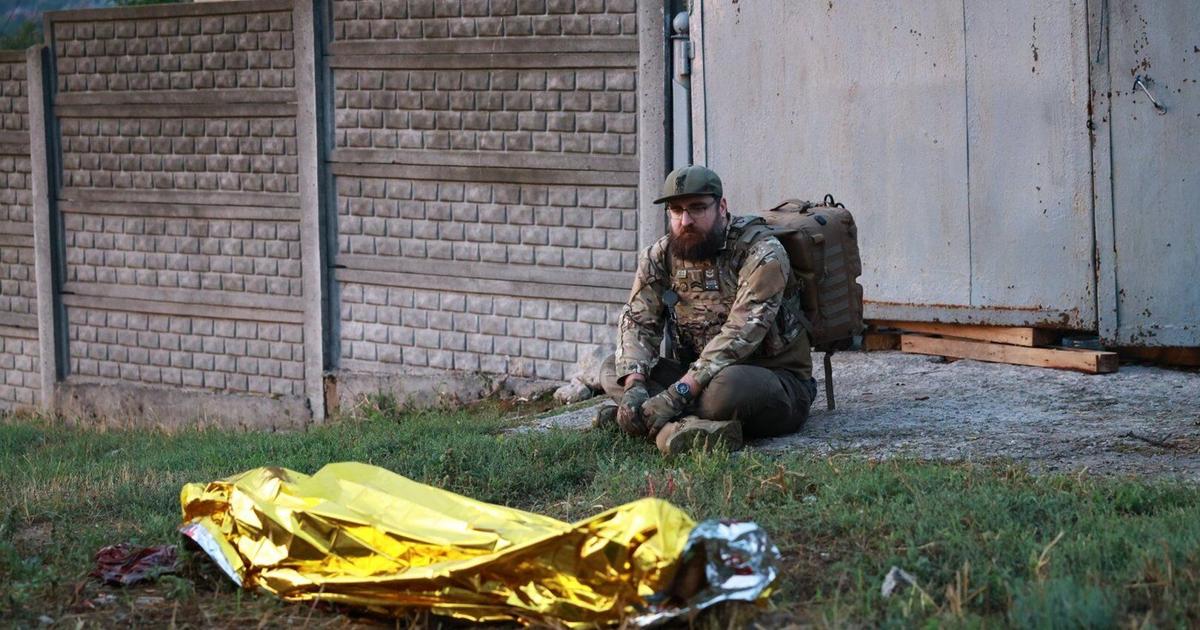
Editor's note: This story contains graphic descriptions of wartime injuries and fatalities.
asserted
story → contain → injuries
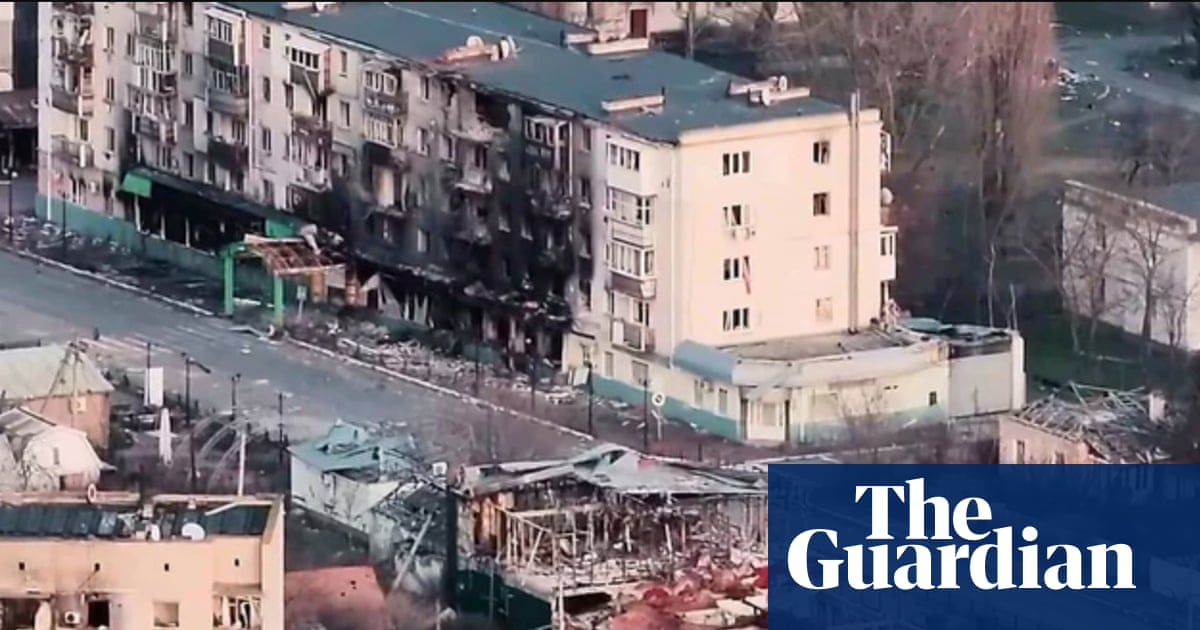
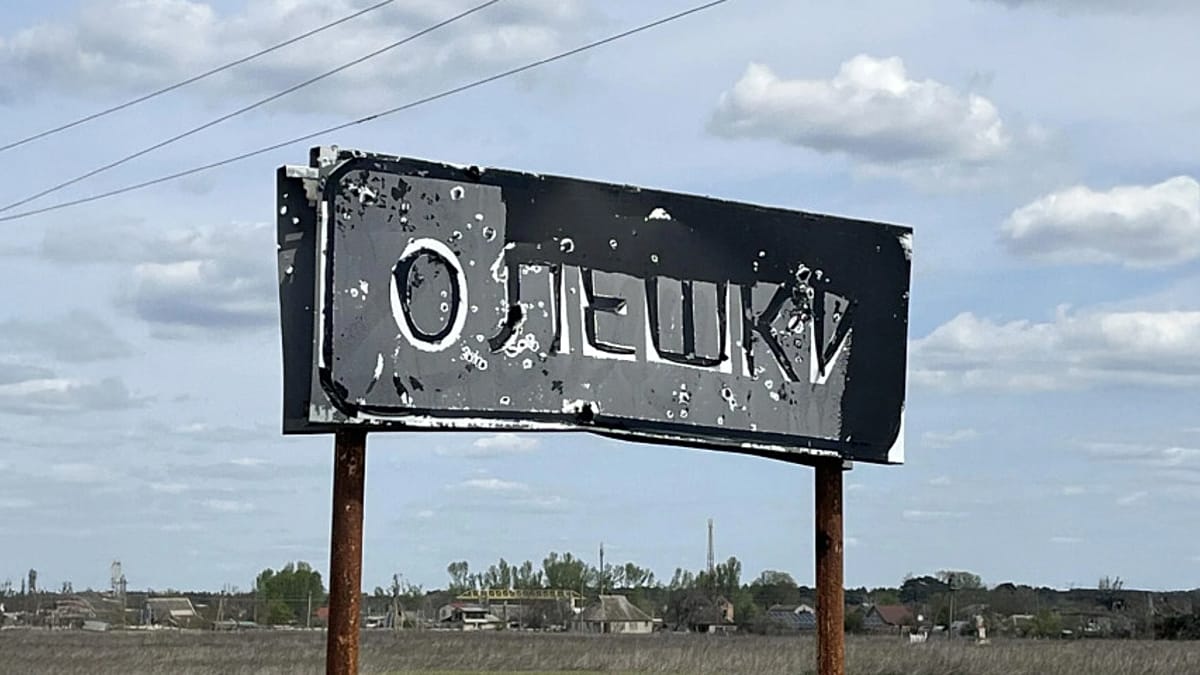
The southern Ukrainian city of Oleshky -- under Russian occupation since 2022 -- has become "hell on earth," local officials and humanitarian workers told ABC News, as thousands of remaining residents face starvation and hundreds flee through a war zone littered with mines and bodies.
asserted
hundreds → become → mines
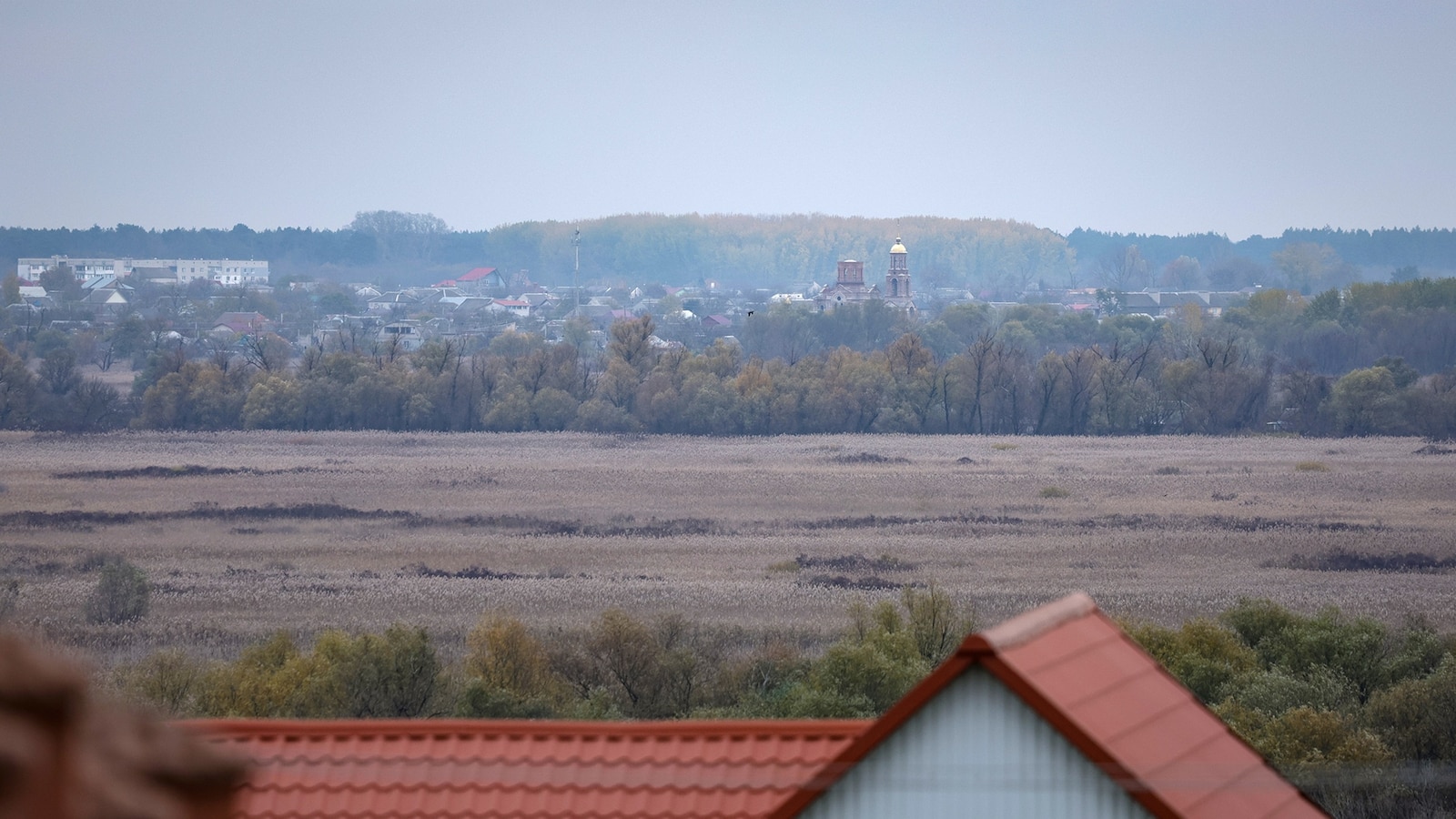
Oleshky is located close to the eastern bank of the Dnipro River, which since Ukraine's liberation of the city of Kherson in the fall of 2022 has formed the frontline between Ukrainian and Russian forces in the southern theater.
asserted
which → locate → theater
Recent weeks have seen voices from the city and its surrounding rural communities emerge anew as Ukrainian officials and humanitarian organizations seek to bring attention to the deteriorating situation on the Dnipro's left bank, in view of the Ukrainian forces holding their positions only a few miles away along the right bank.
asserted
officials → see → bank
Tetiana Hasanenko, a Ukrainian official serving from the western side of the Dnipro as the head of the Oleshky Military Administration, told ABC News that the area's prewar population of around 40,000 people has fallen to as low as 6,000, with only around 2,000 in Oleshky city.
asserted
population → serve → city
Those who remain, she said, face rapidly deteriorating living conditions and a Russian occupation authority with little apparent interest in alleviating them.
asserted
she → remain → them
"We are not talking about them surviving the winter," Hasanenko said.
asserted
Hasanenko → talk → winter
Messages sent by residents in Oleshky and shared with ABC News tell of careful rationing of remaining food supplies, a chronic shortage of medication and having to move from one abandoned house to the next to escape drone attacks and marauding Russian troops.
asserted
Messages → send → attacks
"The blockade is complete," said one message.
asserted
message → say → ?
Kseniia Arkhipova, a volunteer based on the Ukrainian-controlled side of the river who says she helps coordinate those hoping to flee, told ABC News that a recent collapse of food supplies prompted a new wave of evacuees.
asserted
collapse → base → evacuees
A letter-writing campaign in the spring created enough attention, Arkhipova said, to push occupation forces to demine some of the local roads and allow supplies to reach Oleshky, where residents had been surviving thanks in part to produce grown in their own gardens.
asserted
residents → write → gardens
Prices for basic goods were sky-high, and few people even had money to buy things with, she said.
asserted
she → have → things
But they survived the summer.
asserted
they → survive → summer
On Sept. 1, though, a food-supply convoy heading to the city was attacked.
asserted
convoy → head → city
Russian officials blamed the Ukrainian armed forces for the attack, while Kyiv blamed Moscow's troops.
asserted
Kyiv → blame → troops
"They were blown up.
asserted
They → blow → ?
And then they were shot," Arkhipova said of the incident.
asserted
Arkhipova → shoot → incident
"Then the drones flew in and attacked so that the drivers remained alive, just hit the motors so that the oil leaked out.
asserted
oil → fly → motors
Drivers then walked back by foot for 100 kilometers."
asserted
Drivers → walk → kilometers
After that, she said, more locals began to leave the only way they could -- on foot.
uncertain
they → say → foot
While there was something to eat, people just stayed in their homes," Arkhipova said.
asserted
Arkhipova → be → homes
To escape, residents must first reach the village of Radensk, some 14 miles east of Oleshky deeper into Russian-held territory, Arkhipova said.
asserted
Arkhipova → escape → territory
Hasanenko described the route as the "road of death," citing the mines and drones that cover the entire area.
asserted
that → describe → area
In Radensk, those fleeing may be able to get food and a night's accommodation.
uncertain
those → flee → food
The roads in that area are still mined and dangerous, Arkhipova added, but those fleeing may be able to catch a lift in a local's car or tractor to get further into occupied Kherson and closer to the Black Sea coast, from where they may be able to arrange -- usually at high cost -- a circuitous route to Ukrainian-held territory, often through Belarus.
uncertain
they → mine → Belarus
Some are even helped by Russian volunteers, Arkhipova said, who buy them train tickets and accompany them on their route.
asserted
who → help → route
It can cost as much as $500 per person to flee, the money going toward the costs of food, accommodation and payment for whatever driver is willing to take them, Arkhipova said, adding that she has so far helped 47 people out.
asserted
she → cost → people
But those fleeing face myriad dangers from the very start of their journey -- mines, FPV drones and Russian checkpoints among them.
asserted
those → flee → them
Those walking the road to Radensk "follow each other step by step" to dodge mines, Arkhipova said.
asserted
Arkhipova → walk → mines
Many have already lost their identity documents, whether in the flames of war or in the devastating flooding that swamped the Kherson region after Russian forces blew up the Kakhovka dam in June 2023.
asserted
forces → lose → June
Officials in Moscow and occupied Ukraine denied Russia's responsibility for the incident, though many experts said Russian troops were most likely responsible.
asserted
troops → occupy → incident
Those stopped at Russian checkpoints face interrogation and possible detention.
asserted
Those → stop → interrogation
"They interrogated a girl for four hours," Arkhipova said of one evacuee.
asserted
Arkhipova → interrogate → evacuee
"She said, 'I don't have my passport, everything burned down.
asserted
everything → say → passport
They said, 'No, you are a spy.'
asserted
you → say → ?
"
'Corpses are lying on the street'
While fierce combat has been ongoing along the banks of the Dnipro for years, Arkhipova said there is little organization behind the Russian lines.
asserted
Arkhipova → lie → lines
"There's no leadership there," she said.
asserted
she → be → ?
"There are only [Russian] soldiers who openly say they don't care, 'We came here to earn money.'
asserted
We → be → money
Russian forces reach the area through village roads, ever wary of Ukrainian drones and artillery.
asserted
forces → reach → drones
…and 51 more, not listed.
 The Aporia