Congressional investigators have found that US Immigration and Customs Enforcement (ICE) has wasted tens of millions of dollars since January 2025, when President Donald Trump ordered mass arrests and deportations. The report cites specific examples such as $3 million spent on unused tents at Guantánamo Bay and $20 million for warehouses that have not housed a single detainee. With an allocation of $45 billion from Congress to expand detention capacity, ICE’s lack of strategic planning is leading to further inefficiencies and wasted resources. The report highlights the agency's tendency to pursue detaining individuals with minimal or no criminal history, often those with temporary legal status or asylum seekers, exacerbating issues related to civil immigration law compliance.
Written locally by qwen2.5:14b on 2026-09-24,
using this article's own text rather than the other coverage of the
same event (that is the story summary below).
US Immigration and Customs Enforcement (ICE) and other federal agencies have wasted tens of millions of dollars pursuing controversial plans to rapidly increase detention capacity – and the total will likely rise due to ongoing mismanagement, congressional investigators warned on Thursday.
asserted
investigators → waste → Thursday
The US Government Accountability Office (GAO) documented costly problems in several initiatives ICE has pursued since Donald Trump returned to office in January 2025 and ordered the mass arrest and deportation of people whom his administration has deemed should be forced out of the country.
asserted
administration → document → country
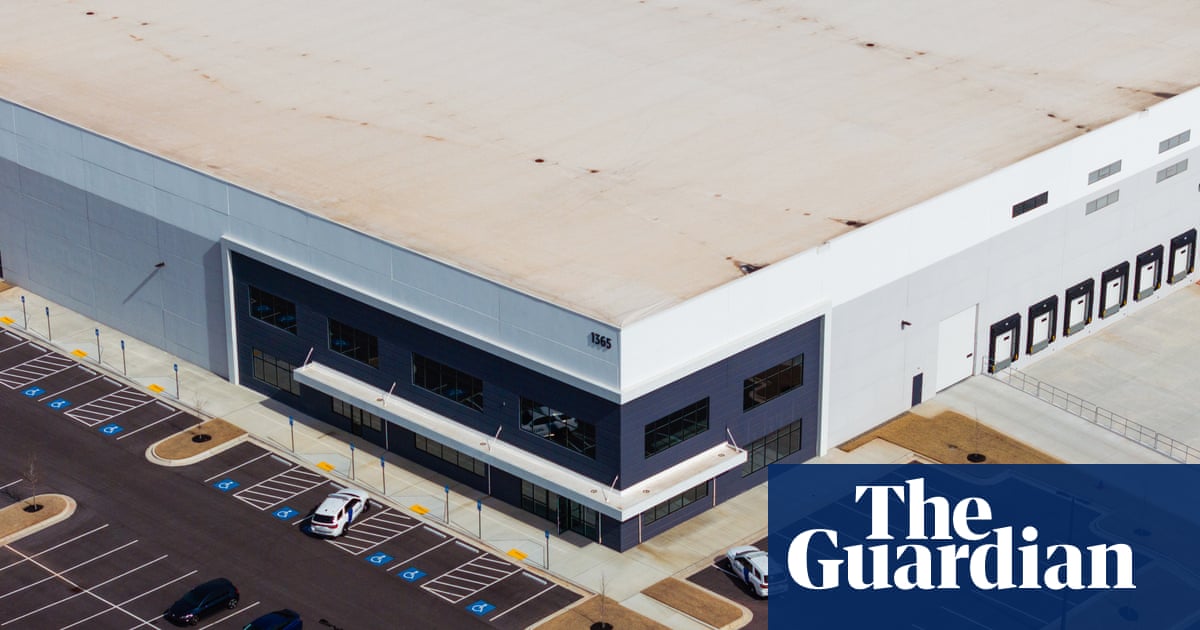
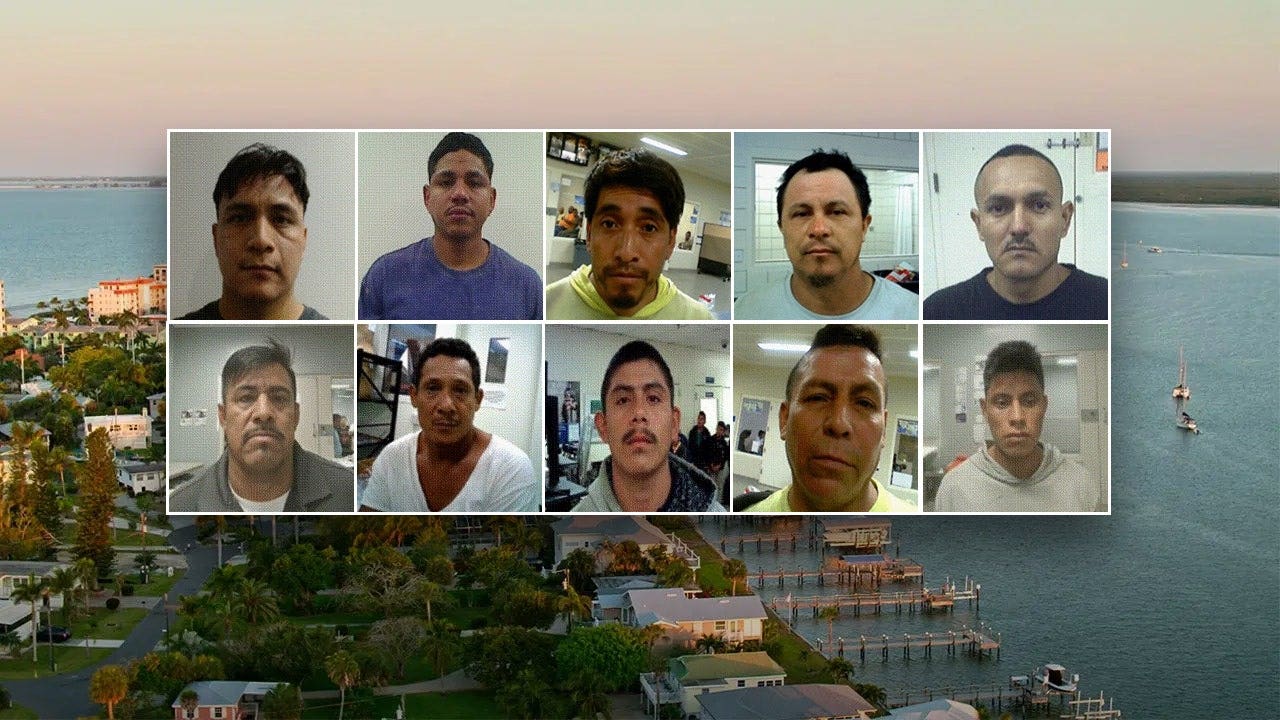
Among the misspending was nearly $3m to erect tents at the Guantánamo Bay US naval base in Cuba that were never used, $20m to maintain bought warehouses that are now being sold without having housed a single detainee and excessive rates paid to hold detainees at the deficient and now-shuttered Florida lockup title Alligator Alcatraz.
asserted
that → erect → title
Congress gave ICE an unprecedented $45bn to expand detention capacity last year as part of the Trump’s One Big Beautiful Bill Act, but the agency has no comprehensive strategic plan for how to spend it wisely, the report warned.
asserted
report → give → it
The detainee population has increased from 39,000 in January 2025 to 67,000 as of 30 July.
asserted
population → increase → July
“Without taking action to manage detention investments in accordance with program and project management practices, ICE will likely continue to make uninformed decisions and risk further inefficiency and wasted resources,” warned the GAO, a nonpartisan agency that investigated at the request of congressional Democrats.
asserted
that → take → Democrats
The Department of Homeland Security (DHS), ICE’s parent agency, told GAO it would develop a plan to guide its detention expansion by 31 August 2027, but that may be too late to prevent more waste, the report said.
uncertain
report → tell → waste
ICE and DHS offered no immediate additional comment on the report.
asserted
ICE → offer → report
Shortly after Trump returned to the White House, the government began blowing money by hastily pursuing plans to detain more people who, by the administration’s reckoning, were in the US illegally, the report found.
asserted
report → return → US
Often, the government has pursued people with temporary legal status or an asylum application, or some who have a green card but have used protest speech the administration deemed dangerous.
asserted
administration → pursue → speech
In many other cases, despite saying it wanted to focus on “the worst of the worst” criminals, the Trump administration has spent resources on seeking, detaining and removing people with no criminal history who have simply violated civil immigration law yet lived, worked and paid taxes in the US for decades.
asserted
who → say → decades
After spending much on warehouses to use for detention, that initiative has faltered, the report found.
asserted
report → spend → detention
It has sold a lot of the property it bought but ICE has also “incurred significant costs” for the four warehouses that it plans to keep, including a $426m million outlay to renovate facilities in Arizona and Maryland that is on hold due to legal challenges.
asserted
that → sell → challenges
ICE launched a plan to purchase facilities owned by private contractors that were already housing detainees, saying it would give more control over infrastructure and limit local governments’ ability to restrict their use.
asserted
it → launch → use
The agency spent $1.5bn to buy two of them in July and could buy more even though ICE has “not assessed the long-term affordability of owning these facilities”, the report said.
uncertain
report → spend → facilities
The report found fault with other initiatives.
asserted
report → find → initiatives
ICE never reached a contract with the state of Florida to operate Alligator Alcatraz in the Everglades, which housed detainees for a year until it was closed in June after reports of substandard and abusive conditions.
asserted
it → reach → conditions
Instead, DHS agreed to reimburse the state through a special $608m Federal Emergency Management Agency (Fema) grant that authorizes a charge of $249 per detainee per day – 171% higher than ICE’s normal rate of $92, the report found.
asserted
report → agree → 92
DHS is also paying the state the higher rate for a second facility that’s still open in Sanderson, Florida.
asserted
that → pay → Sanderson
ICE is also facing high costs under an agreement in which the Bureau of Prisons is housing detainees at eight facilities.
asserted
Bureau → face → facilities
The agreement requires ICE to reimburse the full cost, which has ballooned because of overtime and other staffing assignments, and pay a rate of $182 per detainee per day, the report said.
asserted
report → require → day
The Associated Press contributed reporting
asserted
Press → contribute → reporting
 The Aporia