Photo via Washington Examiner

North Korea doesn’t want to talk to Trump. It wants nuclear surrender

Read the original at Washington Examiner ↗
Cite

Joonhye, P. (2026, September 24). North Korea doesn’t want to talk to Trump. It wants nuclear surrender. Washington Examiner. https://www.washingtonexaminer.com/op-eds/4740222/north-korea-missile-tests-us-diplomacy-strategy/

Dated when The Aporia collected the article, usually within hours of publication. Check the original for its exact date and byline.

Washington Examiner · collected 2026-09-24 · by Park Joonhye

Quick Summary

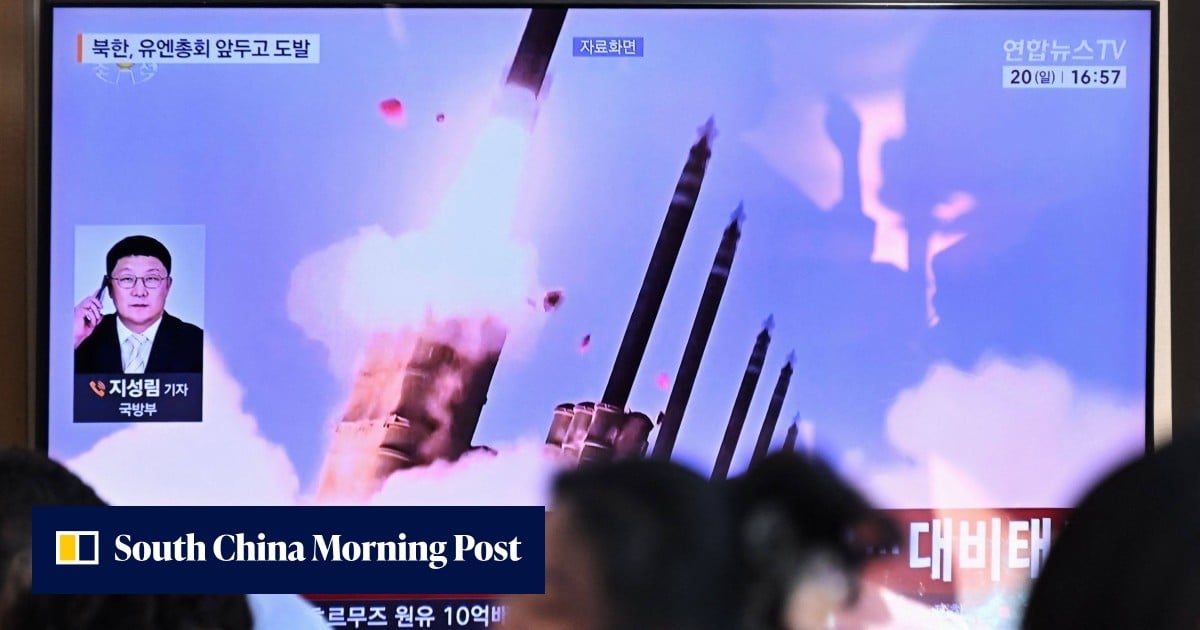
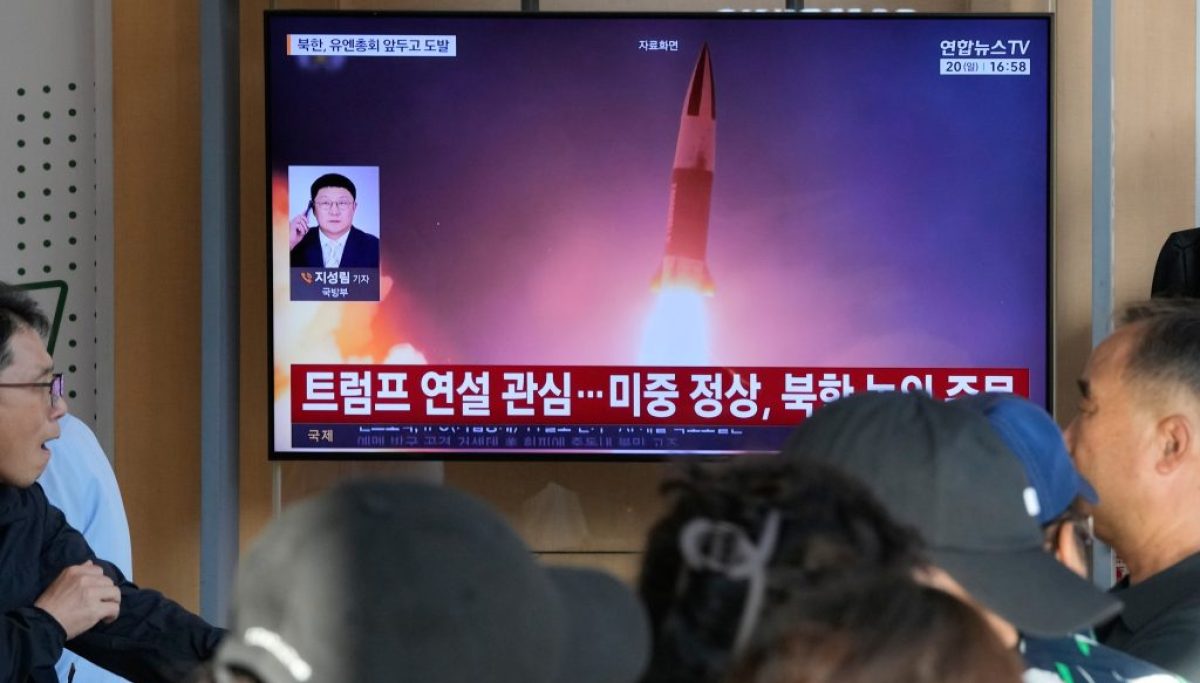
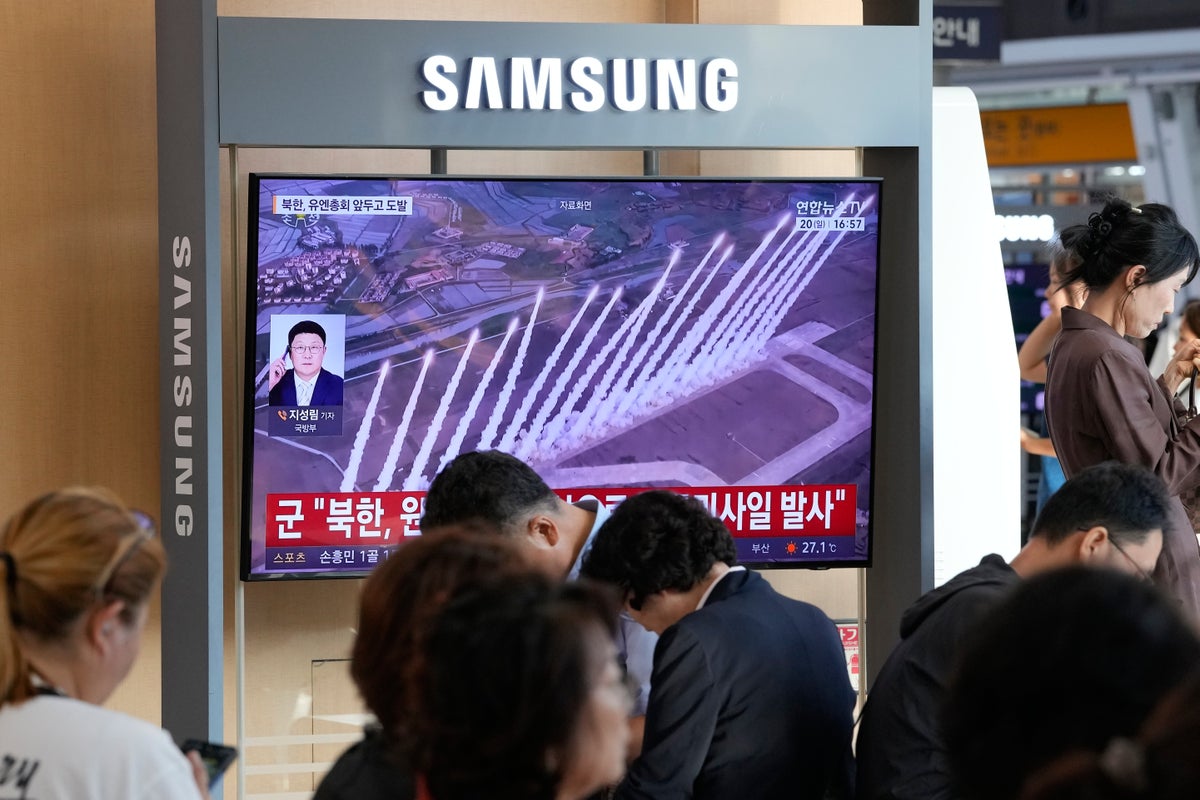
North Korea launched two short-range ballistic missiles on September 20, flying distances of approximately 450 kilometers and over 600 kilometers respectively. Days earlier, Kim Yo Jong had criticized U.S.-led military exercises as threatening to North Korean security, hinting at a potential escalation in response. Despite President Trump's expressed willingness for dialogue and reduced joint military drills with South Korea, North Korea continues to enhance its missile capabilities, viewing these launches not just as provocations but as demonstrations of strength for future negotiations. The article argues that North Korea sees nuclear weapons development as integral to its diplomatic strategy rather than a bargaining chip, complicating U.S. efforts towards engagement and de-escalation.
Written by AI on 2026-09-24, from this article's own text only (the story summary below draws on all the coverage).
See how they differ ↓

AI analysis

Story summary

On September 20, 2026, North Korea launched two short-range ballistic missiles into the East Sea from its eastern coast near Wonsan. The launches occurred about three hours apart, with the first missile traveling around 280 miles and the second over 370 miles before landing in the sea. South Korea’s Joint Chiefs of Staff confirmed both projectiles as ballistic missiles, while Japan's defense ministry noted one landed outside its exclusive economic zone. This test follows North Korea's rejection of a UN resolution demanding it halt nuclear activities and comes amid increased tensions due to recent US-South Korean military drills. The launches mark the second set of missile tests in roughly a week and have prompted South Korea’s presidential office to convene an emergency security meeting.

Written for “North Korea Missile Tests” on 2026-11-18, grounded in this article and the 11 other(s) covering the same event.

How they differ

11 outlets covered “North Korea Missile Tests”.

What each outlet says

One AI summary per outlet of its latest article on this story, written from that article alone and checked against it. Open the article for the outlet's own words.

Washington ExaminerThis outlet24 Sep

North Korea launched two short-range ballistic missiles on September 20, flying distances of approximately 450 kilometers and over 600 kilometers respectively. Days earlier, Kim Yo Jong had criticized U.S.-led military exercises as threatening to North Korean security, hinting at a potential escalation in response. Despite President Trump's expressed willingness for dialogue and reduced joint military drills with…

North Korea doesn’t want to talk to Trump. It wants nuclear surrender (this article)2 articles from Washington Examiner on this story
Toronto Star20 Sep

North Korea launched an unspecified projectile into the sea from its east coast on Sunday, as reported by South Korea’s Joint Chiefs of Staff. This action is part of a pattern of recent military demonstrations by North Korea.

North Korea launches projectile toward the sea →
The Independent20 Sep

North Korea launched a short-range ballistic missile into waters off its east coast near Wonsan on Sunday, according to Japan's defense ministry and South Korea's confirmation of an "unidentified projectile." This recent launch follows another test just one week prior, amid ongoing tensions between North Korea and the United States over military exercises and nuclear programs. The South Korean National Security…

North Korea launches ballistic missile off east coast, Japan says →
Euronews20 Sep

North Korea launched what is suspected to be a ballistic missile into the East Sea on Sunday, according to reports from Japan and South Korea. This event follows North Korea’s rejection of a UN nuclear watchdog resolution against its nuclear program earlier in the week. Meanwhile, US President Donald Trump claimed that North Korean leader Kim Jong-un possesses "57 very powerful nuclear weapons," while emphasizing…

North Korea launches 'suspected ballistic missile' into East Sea →
The Hindu20 Sep

On September 20, 2026, North Korea launched an unidentified projectile into the East Sea, according to South Korea’s military. This came days after North Korea confirmed its status as a nuclear-armed state and rejected a UN resolution demanding it halt its nuclear activities. Japan's Prime Minister's office also reported that the projectile was likely a ballistic missile. North Korea accused "hostile forces" of…

North Korea fires unidentified projectile into East Sea: Seoul →
Dawn20 Sep

On Sunday, North Korea launched a ballistic missile from the Wonsan area into the East Sea, according to South Korea’s military. This launch follows recent provocations including multiple short-range missile tests last week and Pyongyang's rejection of a UN nuclear watchdog resolution demanding cessation of its nuclear activities. South Korea, along with the United States and Japan, is monitoring the situation…

North Korea fires ballistic missile into East Sea: Seoul →
Show 5 more outlets
South China Morning Post20 Sep

North Korea launched two short-range ballistic missiles off its eastern coast within three hours on Sunday, according to South and Japanese defense officials. The launches came days after Pyongyang criticized US-led military drills for escalating tensions in the region. Kim Yo-jong, North Korean leader Kim Jong-un’s sister, had previously blamed the US for exacerbating tensions through these drills.

North Korea fires two missiles in three hours amid tensions over US drills →
CBS News20 Sep

North Korea launched two short-range ballistic missiles on Sunday from its eastern coastal Wonsan area, with ranges of approximately 280 miles and over 370 miles respectively. These launches come amid ongoing tensions following a recent United Nations resolution demanding North Korea halt nuclear activities and after President Trump met with South Korean officials last month. Kim Jong Un’s sister, Kim Yo Jong…

North Korea launches missiles as it dials up pressure against U.S. →
CBC20 Sep

North Korea launched two short-range ballistic missiles off its eastern coast within a three-hour period on Sunday, according to South Korea’s Defense Ministry and Japanese broadcaster NHK. The first missile flew approximately 450 kilometers, while the second traveled over 600 kilometers. These launches come amid heightened tensions following recent U.S.-led military drills near Guam and North Korea's condemnation…

North Korea fires two ballistic missiles off east coast in three hours →
Global News20 Sep

North Korea launched two short-range ballistic missiles toward the sea from its eastern coastal Wonsan area on Sunday, according to South Korea’s military. The first missile flew approximately 450 kilometers and the second more than 600 kilometers before landing in the sea. These launches come days after North Korea threatened to bolster its nuclear capabilities in response to perceived U.S. hostility, including…

North Korea launches 2 ballistic missiles toward sea, South Korea says →
ABC News (AU)20 Sep

North Korea launched two short-range ballistic missiles into the sea off its eastern coast on Sunday, with one missile traveling over 600 kilometers. Japan and South Korea have condemned these tests, with Japan lodging a "stern protest." The launches follow North Korea's recent assertion of its status as a nuclear-armed state and come days after it rejected UN demands to halt nuclear activities. South Korean…

North Korea launches ballistic missiles, prompting 'stern protest' →

Where they agree and split

Agreed

AI · cited, from two or more outlets

  • North Korea rejected a resolution by the UN nuclear watchdog demanding it halt its nuclear activities.23
Quoted from the coverage (2)

A foreign ministry spokesperson said the IAEA resolution "has no effect on the DPRK's position as a nuclear weapons state", using the acronym for North Korea's official name.

4 outlets

The office of the Japanese Prime Minister also confirmed the launch, saying on X that the projectile was a "suspected ballistic missile".

4 outlets

Disputed

Picked by our model, which is sometimes wrong

  • South Korea described the projectile as 'unidentified' while Japan called it a 'suspected ballistic missile'.12
  • The number of missiles launched is disputed, with some sources reporting one and others two.12

Framing

How the first headlines put it

  • Toronto Star focuses on the launch of an unidentified projectile, while Euronews emphasizes it as a suspected ballistic missile.12
  • CBC and Washington Examiner highlight multiple launches within hours, whereas The Hindu reports only one unidentified projectile.563
Attributed to a source4
Stated as fact7
The headlines (11)

North Korea launches ballistic missile off east coast, Japan says The Independent · attributed to a source

North Korea fires unidentified projectile into East Sea: Seoul The Hindu · attributed to a source

North Korea fires ballistic missile into East Sea: Seoul Dawn · attributed to a source

North Korea launches 2 ballistic missiles toward sea, South Korea says Global News · attributed to a source

North Korea launches projectile toward the sea Toronto Star · stated as fact

North Korea launches 'suspected ballistic missile' into East Sea Euronews · stated as fact

North Korea fires two missiles in three hours amid tensions over US drills South China Morning Post · stated as fact

North Korea launches missiles as it dials up pressure against U.S. CBS News · stated as fact

North Korea fires two ballistic missiles off east coast in three hours CBC · stated as fact

North Korea launches two ballistic missiles toward the sea and dials up pressure on the US Washington Examiner · stated as fact

North Korea launches ballistic missiles, prompting 'stern protest' ABC News (Australia) · stated as fact

The full story: what happened, how it changed, and all 12 articles →

Compared with similar articles

This article reads unscored and hedges 18% of its claims. Each row says how that neighbour differs.
Dawn
Hedges 0 of 14 claims Outlet record 67/100
South China Morning Post
Hedges 1 of 2 claims Outlet record 62/100
CBS News
Hedges 0 of 16 claims Outlet record 67/100
CBC News
Hedges 3 of 16 claims Outlet record 60/100
Global News
Leans left Hedges 2 of 22 claims Outlet record 63/100
Washington Examiner
Leans left Hedges 2 of 21 claims Outlet record 67/100
ABC News (AU)
Hedges 2 of 20 claims Outlet record 67/100
South China Morning Post
Leans left Hedges 0 of 2 claims Outlet record 62/100
“The articles discuss different aspects of tensions with North Korea; Article A focuses on a summit between Trump and Xi, while Article B reports on recent missile launches by North Korea.”
The Independent
Leans right Hedges 0 of 16 claims Outlet record 59/100
“The articles describe different missile launches; ARTICLE A mentions tests observed by Kim Jong Un with his daughter on a Tuesday, while ARTICLE B specifies launches on September 20 and September 17.”
Times of India
Hedges 3 of 22 claims Outlet record 59/100
“The articles describe different events: one discusses a proposal for sanctions relief and nuclear freeze talks, while the other reports on missile launches by North Korea.”

Story

North Korea Missile Tests
World · 12 article(s) covering the same event. Compare every outlet's account →
How this article was measured signals, leaning charts, publisher record, byline, topics and claims

Signals How these are calculated →

Claims extracted
55
sentences that state something as happening or true
Uncertain
18%
10 of 55 hedged ("reportedly", "may", "according to")
Leaning
withheld
no quote in the article backed the model's score
Publisher signals
67/100
Washington Examiner's corrections and hedging, across everything collected from it. Not a measure of accuracy.
Outlets on this story
12
World
Same framing elsewhere
1
articles that frame the event the way this one does
Analyzed 2026-09-24 · how these are computed

How this is being covered How these are calculated →

Article leaning vs. publisher reliability
Source leaning vs. consistency

Publisher

Washington Examiner · 5103 article(s) · 11 correction(s) detected
Running correction rate · 11 correction(s)

Who wrote this

Park Joonhye
6 article(s) here · 1 carrying a prediction
For the leadership in Pyongyang, maintaining the military’s political loyalty and organizational control may be just as important as strengthening its combat capabilities.
Just days earlier, on Sept. 17, Kim Yo Jong condemned U.S.-led military exercises and warned that North Korea could respond in a more offensive manner.
But North Korea’s military may be moving in a new direction.
But North Korea’s nuclear capabilities may no longer be confined to land.
2026-09-15 · assertive framing · Kim Jong Un just took his nuclear threat to sea
Also by Park Joonhye
Nothing else under this byline is closely related to this article, so these are simply their most recent.
All 6 articles by Park Joonhye →

Topics

North Korea North Korea’s Pyongyang U.S. Washington

Subjects

North Korea GPE · 13× Pyongyang GPE · 9× U.S. GPE · 7× North Korea’s GPE · 6× Washington GPE · 6× Japan GPE · 2× Kim PERSON · 2× Kim Yo Jong PERSON · 2× South Korea GPE · 2× Trump PERSON · 2×

Narrative

Since then, however, North Korea’s nuclear and missile capabilities have expanded, and Pyongyang has made clear that it no longer accepts denuclearization as the starting point for negotiations.
framing: assertive · carried by 1 article(s) · first seen 2026-09-24
Just days earlier, on Sept. 17, Kim Yo Jong condemned U.S.-led military exercises and warned that North Korea could respond in a more offensive manner.
2026-09-24 · Washington Examiner
North Korea doesn’t want to talk to Trump. It wants nuclear surrender · assertive framing

Claims (55 extracted, 10 hedged)

The United States is talking about dialogue with North Korea. asserted
States → talk → Korea
North Korea is firing missiles. asserted
Korea → fire → missiles
On Sept. 20, North Korea launched two short-range ballistic missiles toward the East Sea from the Wonsan area. asserted
Korea → launch → area
The first missile flew approximately 450 kilometers, while the second, launched about three hours later, traveled more than 600 kilometers, according to South Korean, U.S., and Japanese authorities. uncertain
second → fly → authorities
Both missiles landed outside Japan’s exclusive economic zone. asserted
missiles → land → zone
The launches cannot be viewed simply as another show of force. asserted
launches → view → force
Just days earlier, on Sept. 17, Kim Yo Jong condemned U.S.-led military exercises and warned that North Korea could respond in a more offensive manner. uncertain
Korea → condemn → manner
She said that if military activities involving the U.S., South Korea, and Japan threatened North Korea’s security, Pyongyang would respond using all available means. asserted
Pyongyang → say → means
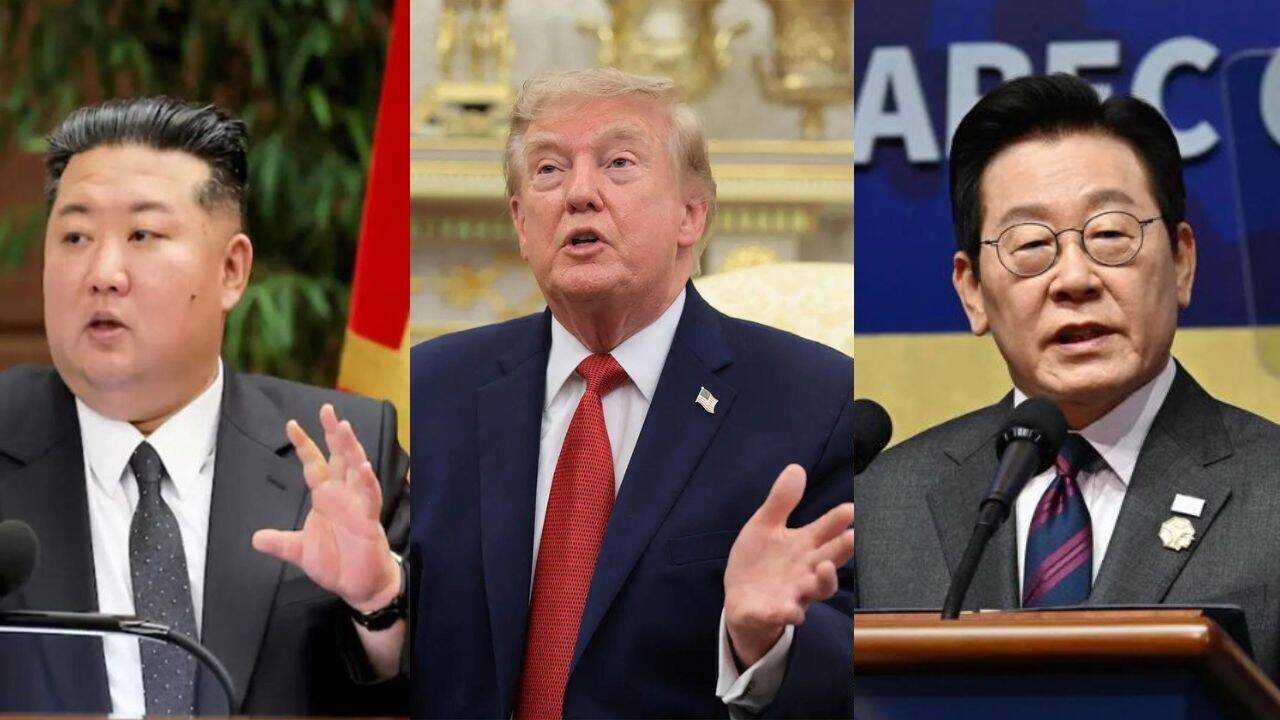
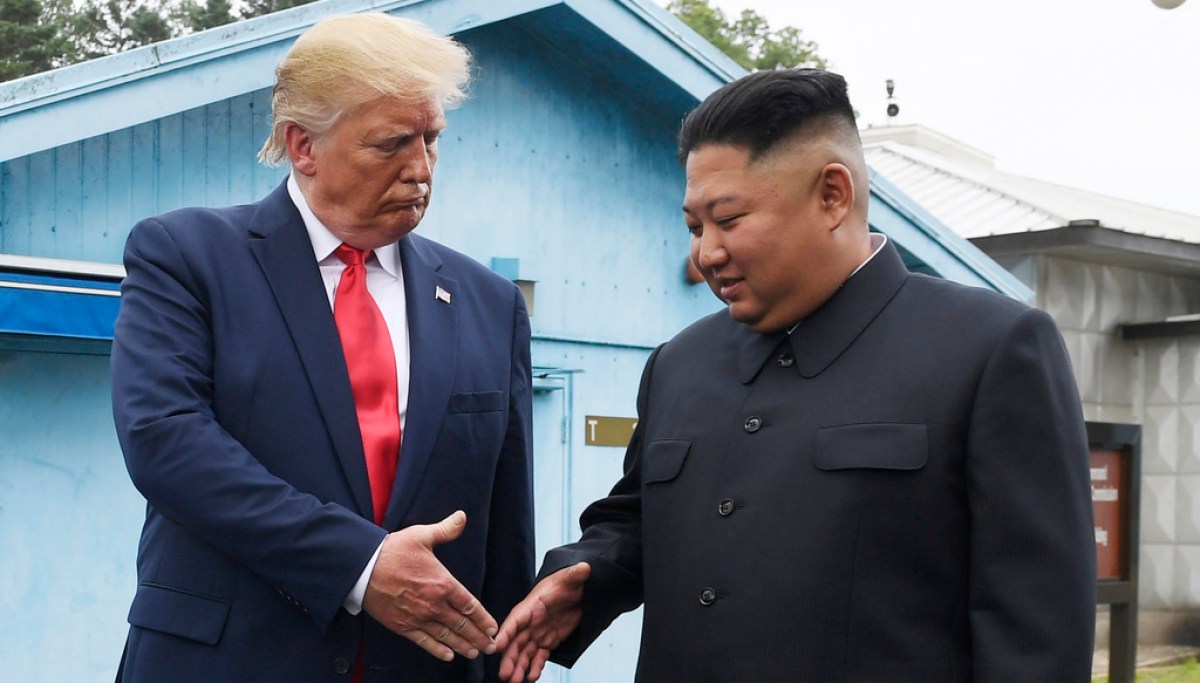
President Donald Trump has repeatedly expressed his willingness to meet Kim Jong Un again later this year. asserted
Trump → express → Un
The U.S. has also adjusted the scale and duration of joint military exercises with South Korea, creating some space for diplomacy with North Korea. asserted
U.S. → adjust → Korea
Trump has continued to emphasize that he has a good relationship with Kim. asserted
he → continue → Kim
Yet North Korea continues its military pressure. asserted
Korea → continue → pressure
So why is North Korea firing missiles? asserted
Korea → fire → missiles
One possibility is that Pyongyang wants to strengthen its bargaining position before accepting Washington’s offer of dialogue. asserted
Pyongyang → want → dialogue
For North Korea, a missile launch means more than a military exercise. asserted
launch → mean → exercise
Each launch demonstrates to the U.S. and its neighbors that its nuclear and missile capabilities continue to develop. asserted
capabilities → demonstrate → neighbors
Even if negotiations begin, Pyongyang may want to enter them from a stronger position than before. uncertain
Pyongyang → begin → position
North Korea no longer treats its nuclear weapons merely as a bargaining tool. asserted
Korea → treat → tool
It has recently rejected international calls for denuclearization and emphasized that it will continue strengthening its nuclear forces. asserted
it → reject → forces
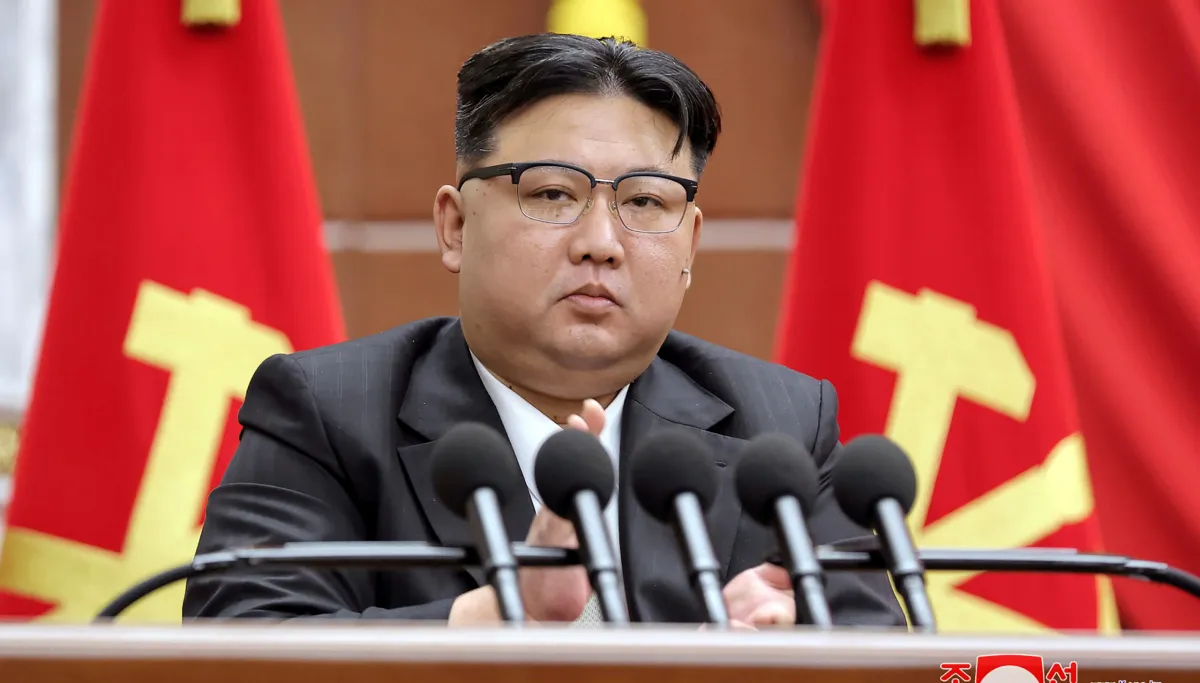
Kim Yo Jong has also described North Korea’s status as a nuclear state as irreversible and called for further strengthening of its nuclear deterrent. asserted
Jong → describe → deterrent
For that reason, it is not enough to explain North Korea’s missile launches simply as an attempt to provoke the U.S. asserted
it → explain → U.S.
They have become a central means of supporting its diplomatic strategy. asserted
They → become → strategy
That makes Washington’s approach to dialogue more difficult. asserted
approach → make → dialogue
Even if the U.S. reduces military tensions to open negotiations, there is no guarantee that North Korea will not interpret such moves as a sign of weakness. asserted
Korea → reduce → weakness
Conversely, if Washington increases military pressure, Pyongyang could use that pressure to justify further expansion of its nuclear forces. uncertain
Pyongyang → increase → forces
Ultimately, Washington faces a difficult question: How far is it willing to go to engage North Korea in dialogue? asserted
it → face → dialogue
What does North Korea want to gain from that dialogue? asserted
Korea → want → dialogue
When Trump and Kim met in Singapore in 2018, denuclearization of the Korean Peninsula was at the center of their summit. asserted
denuclearization → meet → summit
Since then, however, North Korea’s nuclear and missile capabilities have expanded, and Pyongyang has made clear that it no longer accepts denuclearization as the starting point for negotiations. asserted
accepts → expand → negotiations
It is also why Washington must first determine whether the dialogue it wants is the same dialogue that Pyongyang wants. asserted
Pyongyang → determine → that
If the U.S. seeks to reduce tensions on the Korean Peninsula and manage North Korea’s nuclear and missile threats through dialogue, Pyongyang may instead seek recognition of its status as a de facto nuclear-armed state, sanctions relief, and security guarantees. uncertain
Pyongyang → seek → state
If another summit takes place, it would therefore be difficult to expect negotiations to follow the same path as before. asserted
negotiations → take → path
North Korea already possesses more nuclear weapons and a wider range of missiles than it did years ago. asserted
it → possess → missiles
Its military cooperation with Russia has also deepened. asserted
cooperation → deepen → Russia
Its relationship with China provides Pyongyang with additional diplomatic room to maneuver. asserted
relationship → provide → room
Under these circumstances, why would North Korea be in a hurry to return to the negotiating table? asserted
Korea → return → table
The fact that the U.S. wants dialogue could itself become a bargaining asset for Pyongyang. uncertain
U.S. → want → Pyongyang
That is why the Sept. 20 missile launches may not necessarily have occurred on the opposite side of dialogue. uncertain
launches → occur → dialogue
They may instead be part of the way North Korea is showing what it believes the conditions for dialogue should be. uncertain
conditions → show → dialogue
North Korea may be sending a simple message: If you want dialogue, first recognize the reality we have created. uncertain
we → send → reality
…and 15 more, not listed.
Give feedback · no sign-in needed

No sign-in needed for now. Your note is sent without a name, so it cannot be answered.

History Support