The Aporia
The Aporia
The Aporia
Dominguez, G. (2026, August 31). Why Japan’s hypersonic and underwater weapon plans might worry China. South China Morning Post. https://www.scmp.com/news/china/military/article/3365803/why-japans-hypersonic-and-underwater-weapon-plans-might-worry-china?utm_source=rss_feed
Dominguez, Gabriel. “Why Japan’s hypersonic and underwater weapon plans might worry China.” South China Morning Post, 31 Aug. 2026, https://www.scmp.com/news/china/military/article/3365803/why-japans-hypersonic-and-underwater-weapon-plans-might-worry-china?utm_source=rss_feed.
Dominguez, Gabriel. “Why Japan’s hypersonic and underwater weapon plans might worry China.” South China Morning Post, August 31, 2026. https://www.scmp.com/news/china/military/article/3365803/why-japans-hypersonic-and-underwater-weapon-plans-might-worry-china?utm_source=rss_feed.
Dated when The Aporia collected the article, usually within hours of publication. Check the original for its exact date and byline.
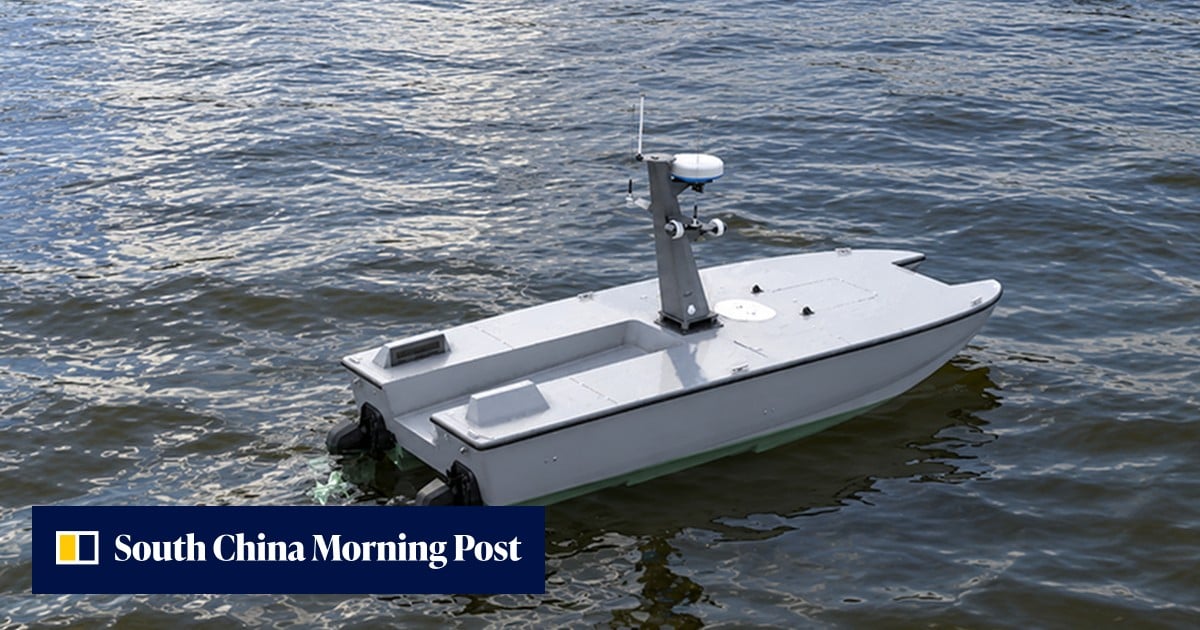
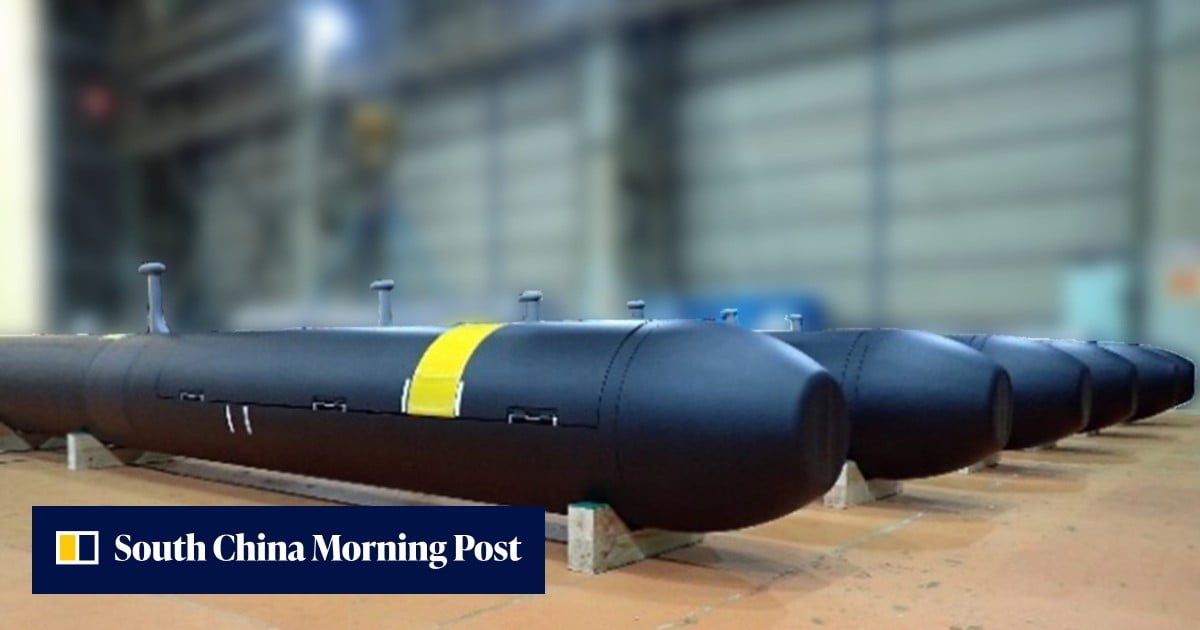
In recent days, Beijing has expressed concern over Japan's plans to arm submarine drones with long-range missiles and test hypersonic weapons in Australia. China's defense ministry spokesman Zhang Xiaogang said that these initiatives demonstrate Japan's "openly expanded military arsenal," which he claims has a "striking resemblance" to Japan's pre-World War II militarization. This criticism comes as part of Japan's broader effort to expand its long-range strike capabilities, including the adoption of a "counterstrike capability" in its 2022 security strategy. Under this policy, Tokyo aims to defend itself by striking military targets within an adversary's territory after an armed attack, while pre-emptive strikes remain prohibited. The Chinese government has not specified why these particular weapon programs pose challenges for China's military (PLA). Japan's moves have been seen as a significant development in the region, with implications that may affect the balance of power between Beijing and Tokyo.